

CENTCOM redirects 125 vessels to enforce U.S. blockade against Iran


- CENTCOM has redirected 125 commercial vessels as of September 30 to enforce the U.S. blockade against Iran
- The USS George H.W. Bush (CVN 77) is sailing in the Arabian Sea in support of the enforcement operation
- CENTCOM stated the redirections are aimed at ensuring strict compliance with the blockade

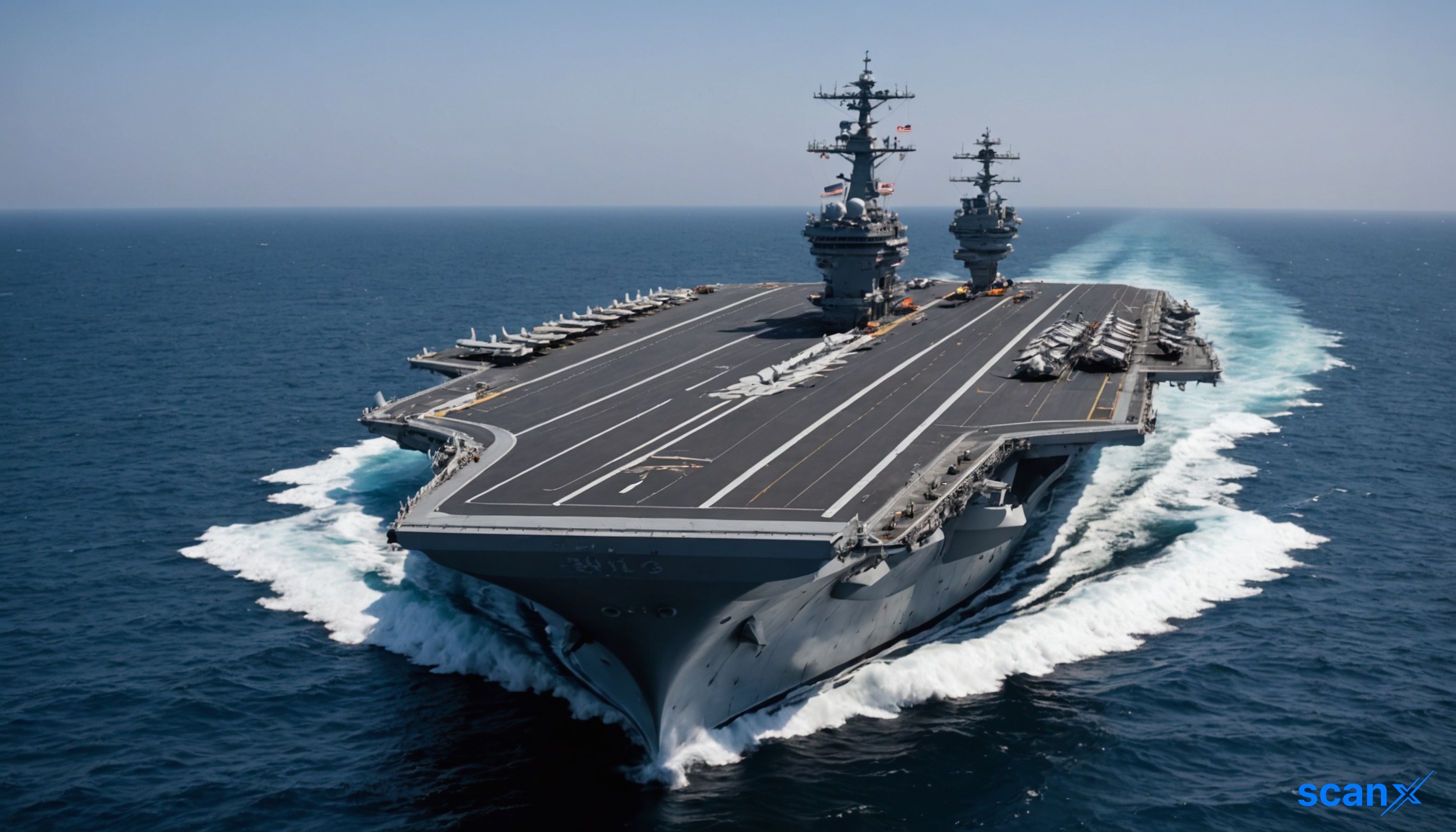

*this image is generated using AI for illustrative purposes only.
U.S. Central Command (CENTCOM) has redirected 125 commercial vessels as of September 30 to ensure strict compliance with the U.S. blockade against Iran, with the USS George H.W. Bush (CVN 77) operating in the Arabian Sea in support of enforcement efforts.
Enforcement operation details
The operation reflects a significant maritime enforcement posture in the region. The following table summarises the key details reported by CENTCOM:
| Parameter | Details |
|---|---|
| Vessels redirected | 125 commercial vessels |
| Reporting date | As of September 30 |
| Naval asset deployed | USS George H.W. Bush (CVN 77) |
| Area of operation | Arabian Sea |
| Stated objective | Enforce U.S. blockade against Iran |
CENTCOM stated that forces redirected the commercial vessels to ensure strict compliance, underscoring the operational scale of the enforcement mission. The USS George H.W. Bush, a nuclear-powered aircraft carrier designated CVN 77, is actively sailing in the Arabian Sea in a supporting role.
Regional maritime context
The deployment of a carrier strike asset to the Arabian Sea alongside the redirection of 125 commercial vessels signals a sustained enforcement presence. CENTCOM's reporting as of September 30 provides a cumulative count of vessels redirected under the blockade enforcement framework targeting Iran.

How might the redirection of 125 commercial vessels impact global shipping insurance premiums and freight costs for energy and goods transiting the Arabian Sea?
What retaliatory measures or asymmetric maritime tactics might Iran employ in response to the intensified U.S. blockade enforcement led by the USS George H.W. Bush?
Will this heightened enforcement posture accelerate the formation of alternative shipping corridors or naval coalitions among non-Western trading partners?
 18
18





 Access 50+ Readymade Screeners
  Use 200+ Custom Filters
  Get Full Market Insights





