

Canada and EU secure $339 million for global ocean observing system


- Canada and the EU launched the OceanEye International Alliance to support the Global Ocean Observing System
- Total pledges reached $339 million, including €92 million from the EU and $82 million from Canada
- The alliance includes 31 member countries and aims to close critical ocean data gaps
- GOOS delivers 120,000 daily observations but faces vulnerability from limited major contributors

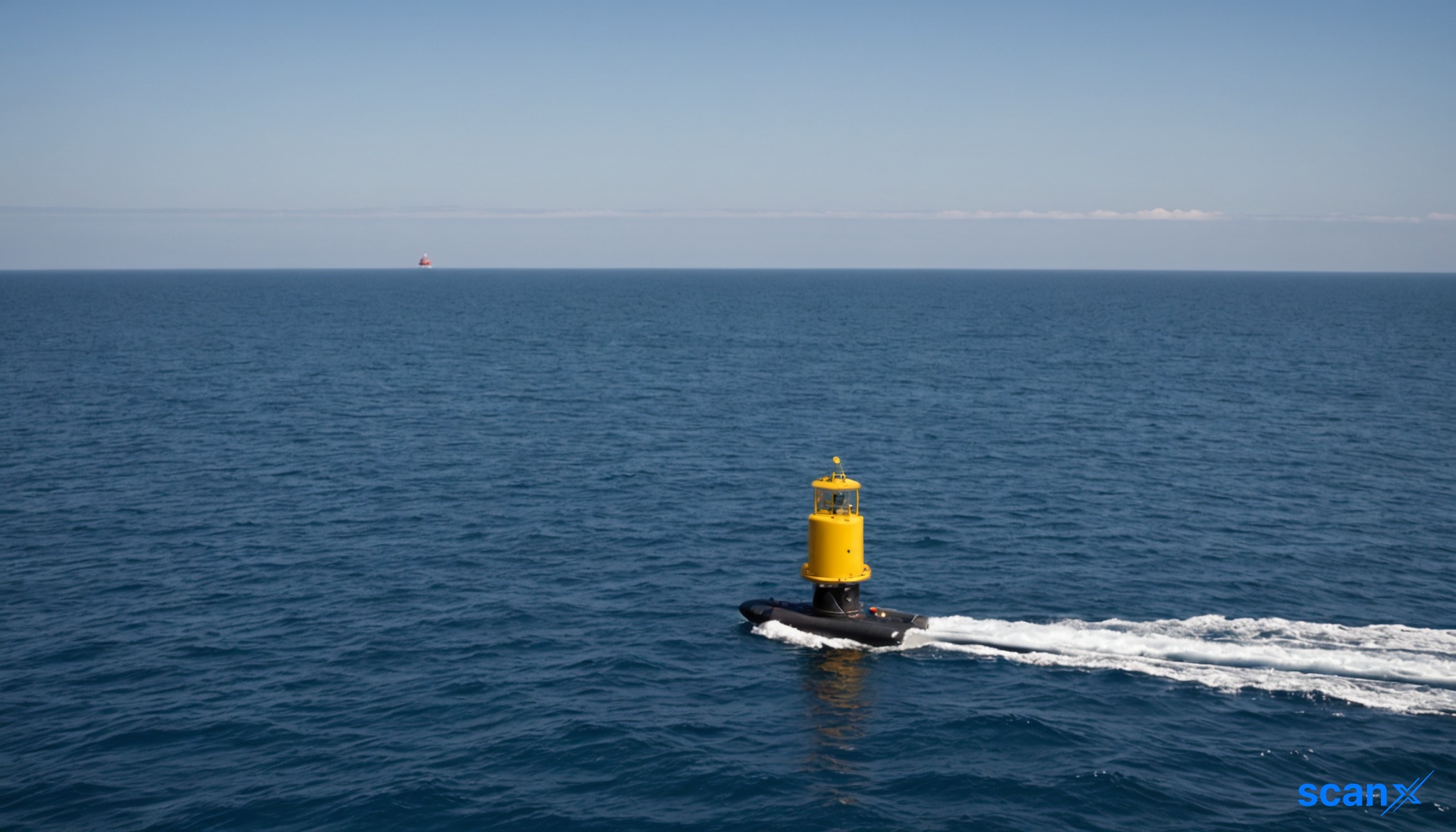

*this image is generated using AI for illustrative purposes only.
Canada and the European Union launched the OceanEye International Alliance on September 23, 2026, securing $339 million in pledges to strengthen the Global Ocean Observing System (GOOS). The initiative aims to close critical data gaps and ensure reliable ocean monitoring for climate and safety.
The launch occurred during the 81st UN General Assembly High-Level Week in New York City. Prime Minister Mark Carney and European Commission President Ursula von der Leyen co-chaired the event, which brought together heads of state and stakeholders to bolster support for global ocean observation. The alliance is a partnership with the Intergovernmental Oceanographic Commission of UNESCO (IOC-UNESCO) and the World Meteorological Organization (WMO), the co-sponsors of GOOS.
Pledge breakdown and allocation
The total funding secured includes financial contributions, in-kind support, and assets such as research vessels, sensors, and drones. The two primary contributors provided significant direct funding:
| Contributor | Pledge Amount | Currency | Notes |
|---|---|---|---|
| European Union | €92 million | EUR | For ocean observation activities |
| Canada | $82 million | CAD | Over five years to expand observation ability |
| Total Pledged | $339 million | USD | From all partner countries combined |
The funds will support the maintenance of existing platforms, closure of data gaps, strengthening of the GOOS Secretariat, coordination hubs, and the OceanOPS data-reporting centre.
Strategic importance of ocean data
GOOS currently delivers approximately 120,000 observations per day from 8,000 platforms operated by 64 countries. These observations are essential for weather forecasting, climate predictions, maritime safety, and coastal protection. Despite this volume, the system remains vulnerable to financial shortfalls and geopolitical disruptions due to reliance on a limited number of major contributors.
What the numbers show
A concentration of funding is evident in the initial pledges. The combined direct cash contributions from Canada ($82 million CAD) and the EU (€92 million) represent a substantial portion of the total $339 million raised. This highlights that while the alliance has broadened its membership to 31 countries, the immediate financial stability of the initiative still depends heavily on these two major economic blocs. The remaining funds are derived from a mix of smaller financial contributions and in-kind assets from other partners.
Future mobilization efforts
The OceanEye International Alliance now comprises 31 members, including Angola, Belgium, Brazil, Chile, France, Germany, Italy, Norway, Spain, the United Kingdom, and others. The launch marks the beginning of a broader international mobilization effort for 2026-2028. Further opportunities for pledges will be presented at upcoming international gatherings, including COP31 and the 12th Our Ocean Conference in Halifax, Nova Scotia.

How will the OceanEye Alliance mitigate the financial vulnerability caused by its heavy reliance on EU and Canadian funding if either bloc faces domestic budget constraints?
What specific mechanisms will the alliance implement to ensure data continuity and platform maintenance in regions prone to geopolitical disruptions?
How are the pledged in-kind assets, such as research vessels and drones, expected to integrate with existing GOOS infrastructure to close current data gaps?
 17
17







 Access Market Heat-map & Insights
  Create, Save & Share your Screener
  Use 200+ Screening Filters





