

BYD Announces Massive Recall of Over 115,000 Vehicles Due to Safety Concerns


Chinese automaker BYD has announced its largest vehicle recall to date, affecting more than 115,000 units across two popular models. The recall includes 44,535 Tang series vehicles produced between March 2015 and July 2017 due to component design flaws, and 71,248 Yuan Pro electric vehicles manufactured from February 2021 to August 2022 because of battery installation issues. This follows recent recalls in January 2024 and September 2023 for fire risks and steering control unit faults. The extensive recall, spanning seven years of production, raises concerns about BYD's quality control processes and could impact consumer confidence in the brand's reliability.



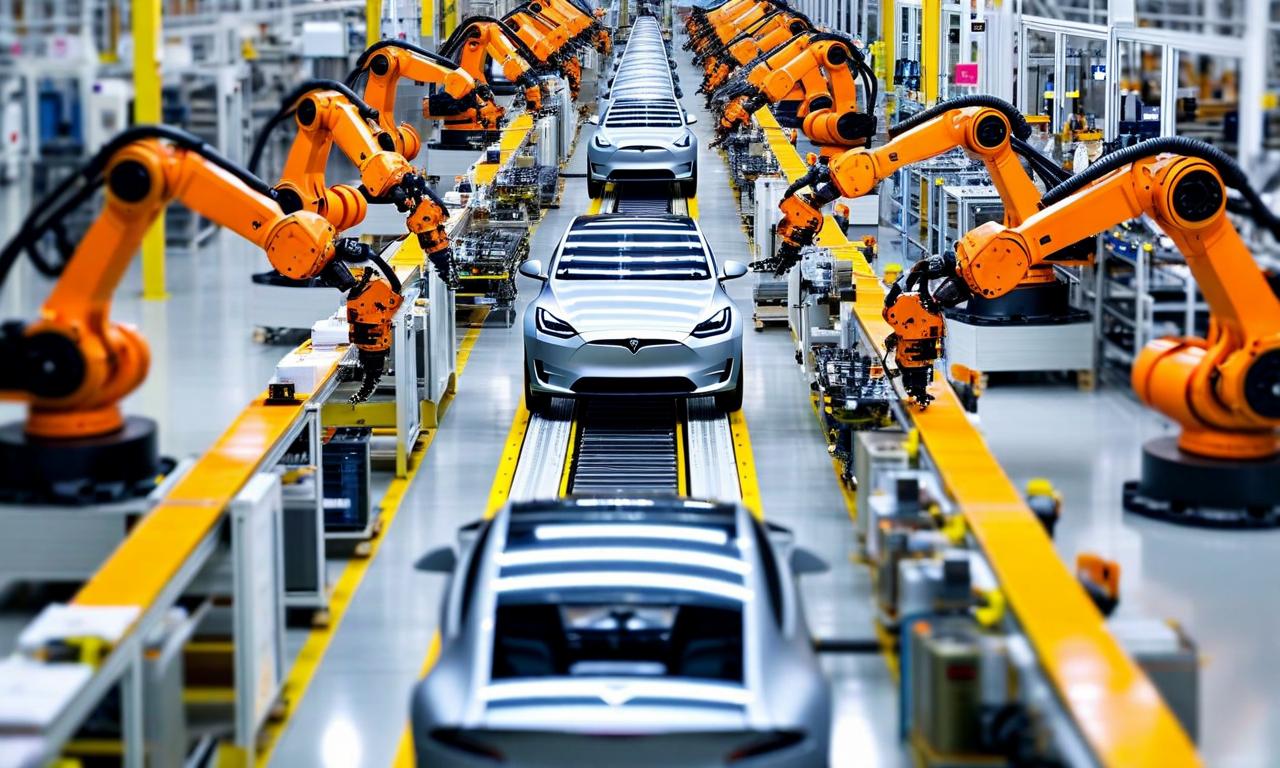
*this image is generated using AI for illustrative purposes only.
Chinese automaker BYD has initiated its largest vehicle recall to date, affecting more than 115,000 units across two of its popular models. The recall encompasses vehicles manufactured between 2015 and 2022, highlighting potential safety issues in both older and newer production lines.
Recall Details
The recall involves two separate groups of vehicles:
| Model | Production Period | Number of Vehicles | Reason for Recall |
|---|---|---|---|
| Tang series | March 2015 - July 2017 | 44,535 | Component design flaws potentially causing abnormal function |
| Yuan Pro (electric) | February 2021 - August 2022 | 71,248 | Manufacturing issues affecting battery installation |
Previous Recalls
This latest action follows a series of recent recalls by BYD:
- January 2024: 6,843 Fangchengbao Bao 5 plug-in hybrid SUVs recalled due to fire risks.
- September 2023: Nearly 97,000 Dolphin and Yuan Plus EVs recalled for steering control unit manufacturing faults, which also posed fire risks.
Implications
The scale of this recall, involving vehicles produced over a seven-year span, raises questions about BYD's quality control processes across different production periods. The issues range from design flaws in older models to manufacturing problems in recent electric vehicle productions, potentially impacting consumer confidence in the brand's reliability.
For BYD, a company that has been rapidly expanding its market share in the electric vehicle sector, addressing these safety concerns promptly and effectively will be crucial to maintaining its reputation and growth trajectory in the highly competitive automotive market.
As the electric vehicle industry continues to evolve, this incident underscores the importance of rigorous quality control and safety measures, especially for components critical to vehicle operation and passenger safety.
 19
19






 Access Market Heat-map & Insights
  Create, Save & Share your Screener
  Use 200+ Screening Filters





