

Bolton says Iran's ring of fire thwarted, waiting for US resolve


- John Bolton claims Iran's 'Ring of Fire' strategy is thwarted but Tehran is waiting for U.S. resolve to weaken.
- President Trump describes Iran's military as 'shot' and hints at two potential paths for ending the conflict.
- The Pentagon prepares for possible combat operations, with 9,000 to 10,000 additional troops expected by November.
- Goldman Sachs predicts Strait of Hormuz flows will normalize by late 2027, stabilizing crude at $80.
- Brent crude trades at $102.08, up 1.86%, while WTI futures rise 1.61% to $89.70 amid geopolitical tension.

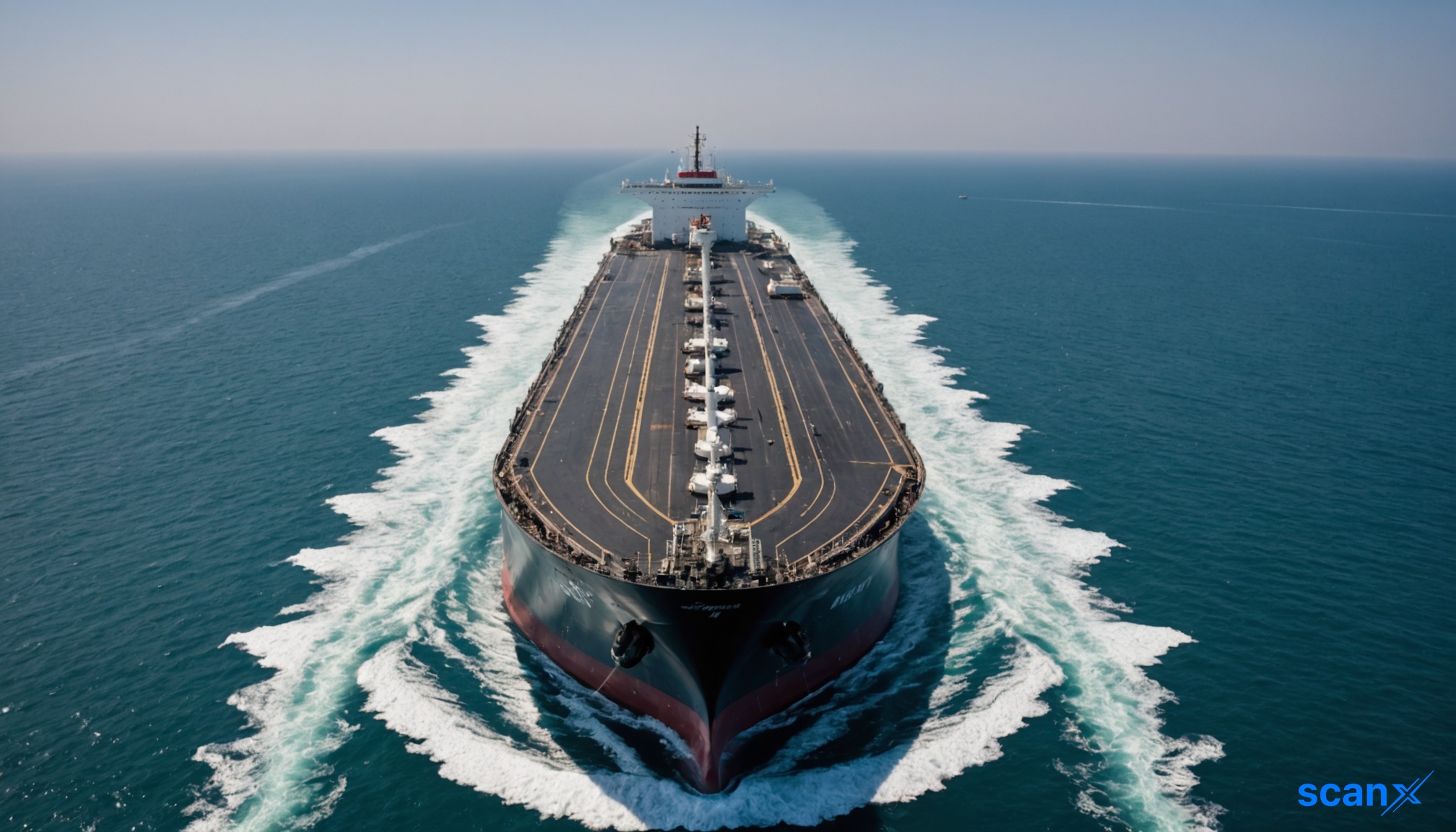

*this image is generated using AI for illustrative purposes only.
Former national security adviser John Bolton stated that Iran's network of regional militant allies, known as the "Ring of Fire," has been thwarted. He noted that Tehran is attempting to outlast the United States to secure hegemony over the Strait of Hormuz.
Bolton wrote on X that while the strategy is blocked, "Tehran is waiting out the U.S., believing the White House will weaken resolve." This dynamic creates a strategic opening for Iran to assert control across the Islamic world. Bolton served as President Donald Trump's national security adviser from 2018 to 2019 and has been a consistent critic of the Iranian government.
Trump warns of military options
President Trump stated that Iran's military is "shot" and that U.S. forces are performing "extremely well." He framed the resolution of tensions as a choice between a "nice way or the not-so-nice way," indicating that the outcome would be revealed soon.
According to Axios, the Pentagon has instructed U.S. Central Command to complete preparations for potentially resuming major combat operations in Iran. The directive did not set a launch date, and Trump has not made a final decision. Additionally, reports indicate plans to deploy 9,000 to 10,000 more troops to the Middle East, including a third carrier strike group, with forces expected by the end of November.
Oil markets and strait status
Market analysts suggest that oil flows through the Strait of Hormuz should fully normalize by the second half of next year. Goldman Sachs analyst Nikhil Bhandari told CNBC that this normalization would stabilize crude prices at around $80 a barrel.
| Metric | Value | Change |
|---|---|---|
| Brent Crude | $102.08 | +1.86% |
| WTI Futures | $89.70 | +1.61% |
Despite these projections, Mohammadreza Naqdi, an adviser to the Revolutionary Guards' commander, claimed the strait is closed and under full Iranian control. Current market data shows Brent crude trading at $102.08 per barrel, up 1.86%, while WTI futures rose 1.61% to $89.70.

How might the potential deployment of 9,000 to 10,000 additional U.S. troops and a third carrier strike group impact regional alliances and diplomatic relations with Gulf states?
What are the likely economic consequences for global energy markets if the Strait of Hormuz remains contested beyond the projected normalization timeline of late next year?
How could a decision to resume major combat operations in Iran affect U.S. domestic political dynamics and election outcomes in the upcoming cycle?
 17
17





 Access 50+ Readymade Screeners
  Use 200+ Custom Filters
  Get Full Market Insights





