

Blue Origin Launches Six Passengers on First 2026 New Shepard Mission NS-38


Blue Origin successfully launched mission NS-38 on January 22, 2026, carrying six passengers on an 11-minute suborbital flight from West Texas. The diverse crew included entrepreneurs, medical professionals, and military veterans, bringing Blue Origin's total passenger count to 98 people across 17 human spaceflights since 2021. With estimated ticket prices between $200,000-$300,000, the mission reinforces Blue Origin's position in the commercial space tourism market.

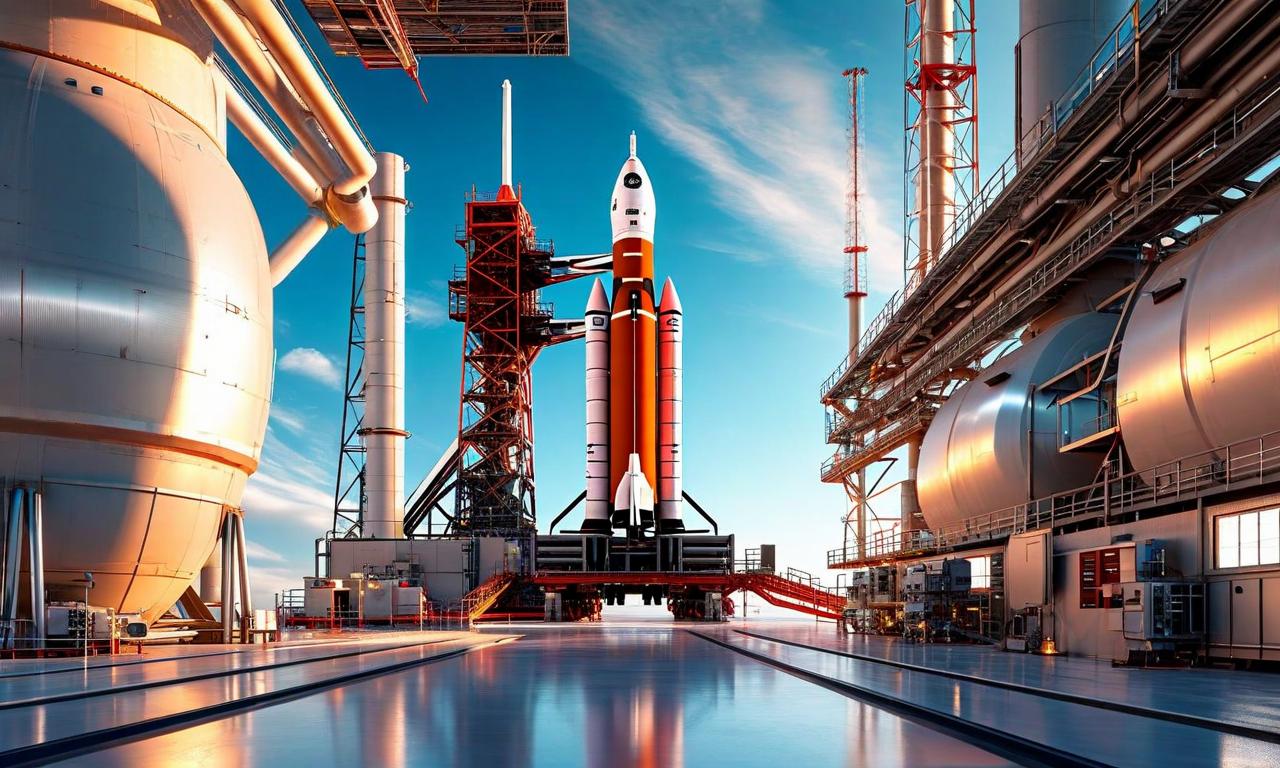

*this image is generated using AI for illustrative purposes only.
Blue Origin achieved another milestone in commercial space tourism with the successful completion of mission NS-38 on January 22, 2026, marking the company's first spaceflight of the new year. The 11-minute suborbital journey carried six passengers to the edge of space from Blue Origin's West Texas launch facility, adding to the growing roster of civilian space travelers.
Mission Details and Timeline
The New Shepard rocket lifted off at approximately 9:55 pm IST following a brief delay. During the flight, passengers experienced several minutes of weightlessness while viewing Earth from space before safely returning to the Texas desert. This mission represents the 38th flight of the New Shepard program and continues Blue Origin's track record of successful human spaceflight operations.
| Mission Parameter: | Details |
|---|---|
| Mission Number: | NS-38 |
| Launch Date: | January 22, 2026 |
| Launch Time: | 9:55 pm IST |
| Flight Duration: | 11 minutes |
| Launch Site: | West Texas facility |
| Passengers: | 6 crew members |
Passenger Profiles
The diverse crew represented various professional backgrounds and personal achievements. Tim Drexler, former owner and chief executive of Ace Asphalt, transitioned from 40 years in civil contracting to aviation, now piloting helicopters and airplanes. Linda Edwards, a retired obstetrician and gynecologist, brings extensive travel experience from over 40 countries, along with achievements as an award-winning equestrian and two-time breast cancer survivor.
Alain Fernandez contributed three decades of real estate development experience, having overcome a serious diving accident from his previous work as a scuba instructor in French Polynesia. Alberto Gutiérrez, founder of tours platform Civitatis, has visited more than 100 countries across all seven continents. Jim Hendren, a retired US Air Force Colonel and former F-15 fighter pilot, commanded the 157th Combat Operations Squadron and founded global manufacturing firm Hendren Plastics Inc.
Laura Stiles, Blue Origin's Director of New Shepard Launch Operations, joined as a late replacement for Andrew Yaffe, who withdrew due to illness. Stiles holds a PhD in Aerospace Engineering Sciences, maintains the world record for large-formation skydiving, and dedicates time to mentoring young engineers.
Program Milestones and Accessibility
With this latest mission, Blue Origin has transported 98 people to space across 17 human spaceflights, including 92 unique individuals and six passengers who have flown twice. The company began crewed operations on July 20, 2021, coinciding with the 52nd anniversary of the Apollo 11 Moon landing.
| Program Statistics: | Count |
|---|---|
| Total Flights: | 38 missions |
| Human Spaceflights: | 17 missions |
| Total Passengers: | 98 people |
| Unique Individuals: | 92 people |
| Repeat Passengers: | 6 people |
Pricing and Market Position
While Blue Origin has not disclosed official ticket prices for New Shepard flights, industry estimates place costs between $200,000.00 and $300,000.00 per seat. This pricing positions the company competitively against Virgin Galactic, which charges approximately $600,000.00 per seat. Prospective customers must provide a $150,000.00 deposit when submitting booking forms, though some passengers have participated through grants or external funding arrangements.
The successful completion of NS-38 demonstrates Blue Origin's continued commitment to making space accessible to civilian passengers while maintaining safety standards established over nearly four years of human spaceflight operations.
 17
17






 Access Market Heat-map & Insights
  Create, Save & Share your Screener
  Use 200+ Screening Filters





