Asian Markets Set for Weaker Open as Oil Prices Fall on Trump Iran Comments


Asian benchmark indices are expected to decline from record highs following Wall Street's tech stock rotation, with futures for Japan, Hong Kong and China all falling. Oil prices dropped 1.70% for the first time in six days after Trump indicated restraint on Iran military response. Currency markets remained volatile with focus on South Korean won weakness and Japanese yen stability amid upcoming political developments.


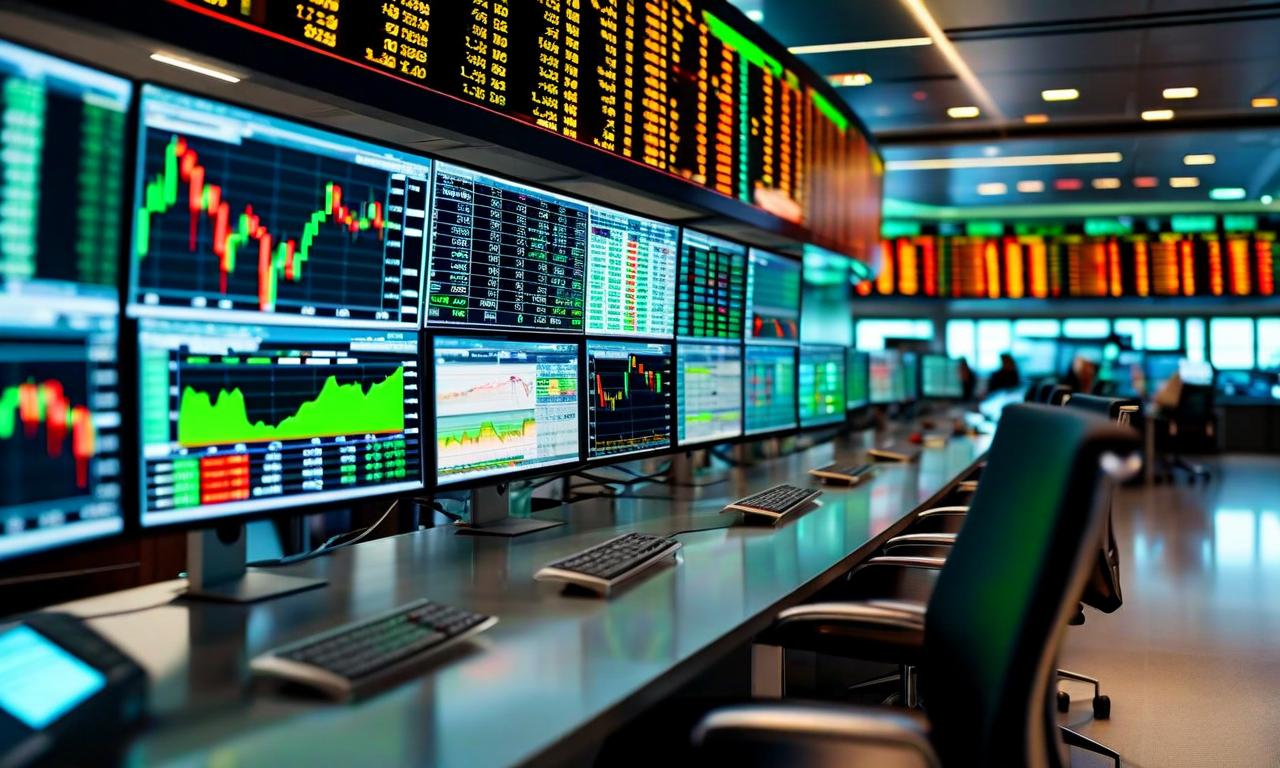
*this image is generated using AI for illustrative purposes only.
Asia's benchmark share index is positioned to slip from record highs following declines on Wall Street, where investors continued rotating out of richly valued technology stocks. The mixed performance across regional markets reflects ongoing uncertainty as traders navigate shifting sentiment and geopolitical developments.
Technology Rotation Weighs on Futures
Equity-index futures for Japan, Hong Kong and mainland China all declined after the tech-heavy Nasdaq 100 Index dropped 1.10% on Wednesday. The S&P 500 closed 0.50% lower due to losses in tech megacaps, even as a majority of companies within the index posted gains. Contracts for US stocks slipped 0.20% in early Asian trading, while Australian shares opened higher.
| Market Indicator | Performance | Key Driver |
|---|---|---|
| Nasdaq 100 | -1.10% | Tech stock rotation |
| S&P 500 | -0.50% | Megacap losses |
| US Futures | -0.20% | Continued tech pressure |
| Australian Shares | Higher | Regional divergence |
Asian shares have outpaced gains on Wall Street this year on relatively cheaper valuations and optimism over the artificial-intelligence trade. In contrast, the first weeks of the year in the US have been marked by rotation out of giant tech companies, whose consistent earnings made them safe bets during economic uncertainty.
Oil Markets Retreat on Geopolitical Developments
Oil fell for the first time in six days after President Donald Trump indicated he may hold off on threatened military response to Iran. West Texas Intermediate crude declined 1.70% as Trump said he'd been assured Iran would stop killing protesters, signaling potential restraint on military action regarding the repression of demonstrations.
| Commodity | Change | Catalyst |
|---|---|---|
| WTI Crude | -1.70% | Trump Iran restraint signals |
| 30-Year Treasury | Lower yield | Flight to safety |
Gains in Treasuries pushed the 30-year yield to the lowest level this year, reflecting investor movement toward safe-haven assets amid the shifting geopolitical landscape.
Currency Focus and Policy Developments
The South Korean won remained in focus after US Treasury Secretary Scott Bessent referred to excessive declines in the currency, offering rare verbal support as the won slides toward its weakest level since 2009. Market analysts suggest Bessent's comments may provide near-term support, though fundamental and political factors continue to influence the currency's trajectory.
The yen traded slightly higher against the dollar after Bessent spoke with Japanese Finance Minister Satsuki Katayama, noting the "inherent undesirability of excess exchange rate volatility." Attention will focus on Japan, where Prime Minister Sanae Takaichi is expected to call a snap election early in the parliamentary session starting later this month.
Corporate Earnings and Market Dynamics
While the S&P 500 fell amid declines in all "Magnificent Seven" shares, more than 300 firms within the index actually posted gains. Small-cap stocks continued their outperformance trend, with the Russell 2000 beating the S&P 500 for a ninth straight session, matching the longest streak since 1990.
In banking sector developments, Wells Fargo declined after missing profit estimates, while Bank of America faced concerns about expense outlook despite solid results. Citigroup slipped as executives tempered analyst expectations about regulatory requirements and expense reduction progress.
Economic Data Highlights
US retail sales provided positive momentum, rising in November by the most since July, fueled by a rebound in auto purchases and resilient holiday shopping patterns. Wholesale inflation picked up slightly on higher energy costs, though services prices remained unchanged, offering mixed signals for Federal Reserve policy considerations.
 17
17