

Asian Markets Decline Following Wall Street Selloff Amid US-Europe Trade Tensions


Asian markets declined Wednesday following Wall Street's steepest drop since October, driven by US-Europe trade tensions over Greenland and Japanese bond market volatility. The S&P 500's decline erased year-to-date gains while the VIX surged above 20. Japanese 30-year bond yields jumped over 0.25 percentage points on spending concerns, threatening global carry trades and pushing US Treasury yields to four-month highs. A Danish pension fund's decision to exit US Treasuries and South Korea's delay of $20.00 billion in US investments reflect growing international concerns about American fiscal stability.

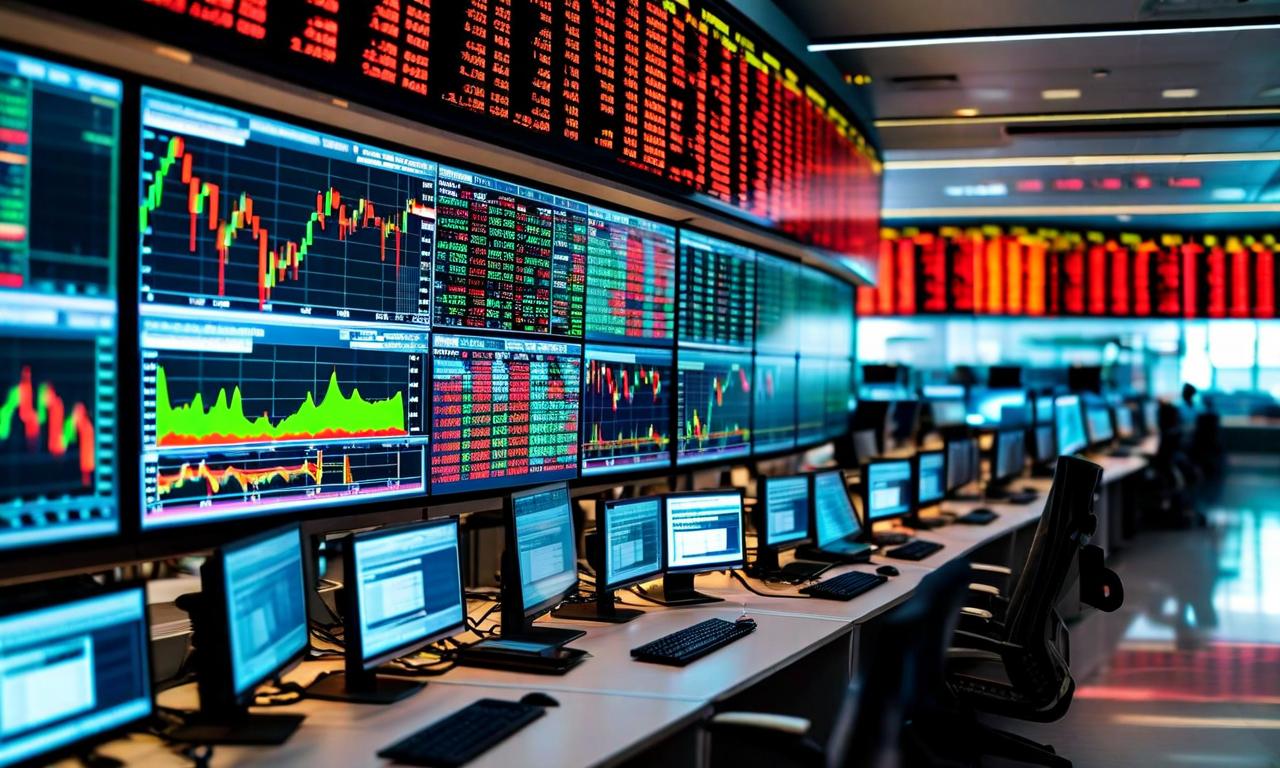

*this image is generated using AI for illustrative purposes only.
Asian stock markets retreated on Wednesday morning, following a significant selloff on Wall Street as investors navigated escalating US-Europe trade tensions and bond market turbulence. The decline reflected growing market unease over geopolitical developments and their potential impact on global financial stability.
Wall Street Decline Triggers Regional Selloff
Equities opened lower across major Asian markets, including Japan, South Korea, and Australia, after the S&P 500 experienced its steepest loss since October. The decline was substantial enough to wipe out the index's year-to-date gains, signaling a notable shift in market sentiment.
| Market Indicator | Performance |
|---|---|
| S&P 500 | Steepest loss since October |
| VIX Volatility Index | Surged above 20 (first time since November) |
| Year-to-date S&P 500 gains | Completely erased |
| US Futures | Edged higher early Wednesday |
The market volatility was accompanied by a surge in the VIX volatility gauge, which climbed above 20 for the first time since November, indicating heightened investor anxiety about near-term market prospects.
Japanese Bond Market Turmoil Spreads Globally
The global selloff was initially triggered by domestic developments in Japan, where 30-year government bond yields surged over a quarter percentage point. The dramatic move stemmed from investor concerns about Prime Minister Sanae Takaichi's plans to implement tax cuts while boosting government spending.
This yield surge threatened to unravel carry trades—investment strategies that involve purchasing global assets using low-interest loans from Japan—and contributed to rising bond yields in other markets. Japanese Finance Minister Satsuki Katayama called for market calm, highlighting the nation's improved fiscal position.
| Japan's Fiscal Indicators | Status |
|---|---|
| Debt Issuance Reliance | Lowest in 30 years |
| Tax Revenue | Rising |
| Fiscal Deficit | Smallest among G7 economies |
| 30-year Bond Yields | Surged over 0.25 percentage points |
US Treasury Market Faces Additional Pressure
Long-term US Treasury yields reached a four-month high during the previous session, with 30-year yields gaining eight basis points. The pressure on Treasuries intensified following news that Danish pension fund AkademikerPension plans to exit US government bonds by month-end.
Anders Schelde, chief investment officer at AkademikerPension, expressed concerns about US creditworthiness, stating that "the US is basically not a good credit and long-term the US government finances are not sustainable." This development highlighted growing international skepticism about American fiscal policy.
Geopolitical Tensions Escalate Market Volatility
Trump's threat to impose tariffs on European nations that rejected his proposal to purchase Greenland has emerged as a significant market catalyst. The development has forced investors to reassess the stability of US assets as a traditional safe haven, with global funds reportedly pulling back from American investments.
Victoria Greene from G Squared Private Wealth characterized the situation as "Tariff War 2.0, or Territory War 1.0," noting its potential to cause significant near-term market disruptions. The uncertainty has prompted investment managers to adopt a cautious stance while preparing for continued volatility.
Regional Investment Plans Face Delays
The market turbulence has begun affecting international investment commitments, with South Korea reportedly planning to delay fulfilling its pledge to invest up to $20.00 billion in the US during the current year. The decision reflects pressure on the Korean currency and broader concerns about market stability.
Treasury Secretary Scott Bessent attempted to calm markets by comparing the current situation to previous episodes of market volatility following Trump's policy announcements. However, the scale of recent market moves suggests that investor tolerance for geopolitical uncertainty may be diminishing as multiple factors converge to create a more challenging investment environment.
 20
20





 Create Custom Screeners
  Access 200+ Pre-built Filters
  Use 50+ Readymade Screener





