

Anduril CEO warns economic warfare is new normal


Anduril CEO Brian Schimpf stated at Fortune's Brainstorm Tech conference that economic warfare is the new normal, highlighting the difficulty of imposing costs on China without hurting the US economy. He noted the US used 850 Tomahawk missiles in a four-week conflict, depleting stockpiles replenished at 90%. Schimpf also discussed Anduril's recent $5 billion funding round and $61 billion valuation, stating there is no rush for an IPO.



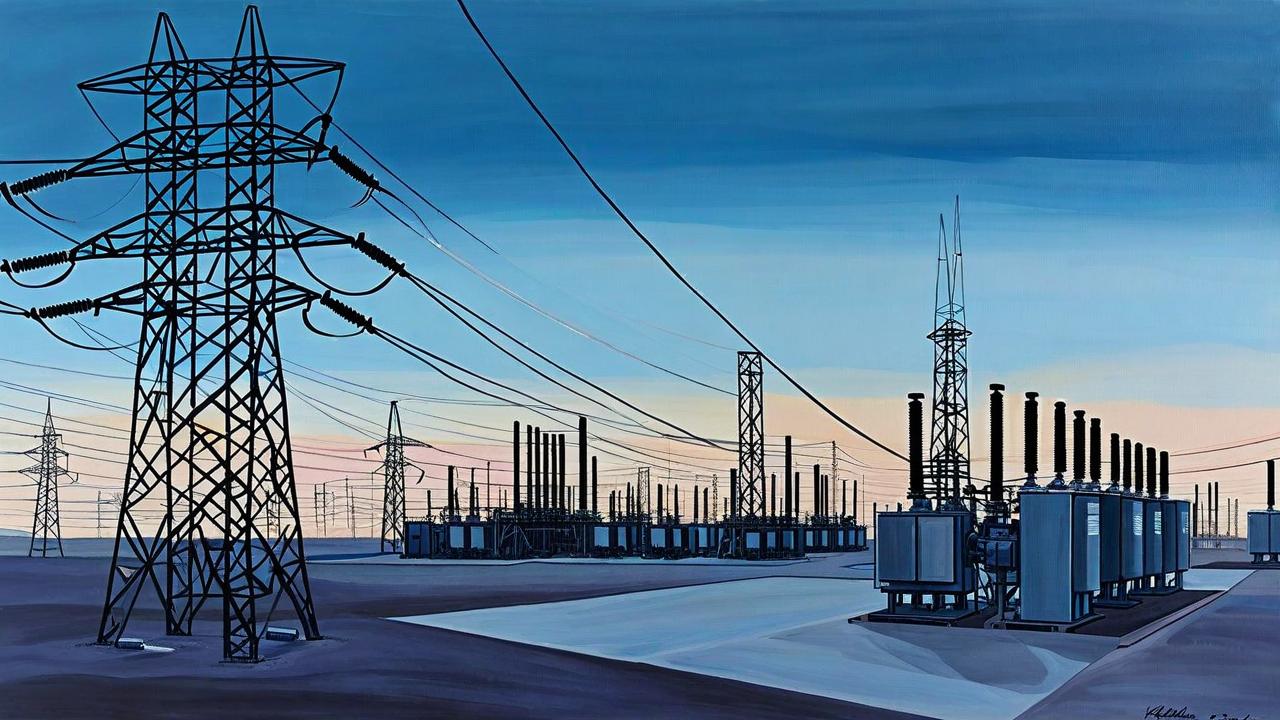
*this image is generated using AI for illustrative purposes only.
Anduril CEO Brian Schimpf stated at Fortune's Brainstorm Tech conference on Monday that economic warfare has become the new normal in modern conflicts. He warned that it is essentially impossible for the U.S. to impose high economic costs on China without inflicting substantial damage on its own economy. Schimpf emphasized that modern warfare focuses less on destroying military assets and more on crippling economies, citing the Strait of Hormuz as an example.
Schimpf highlighted the fragility of the U.S. military supply chain, noting that the country used approximately 850 Tomahawk missiles in a four-week conflict with Iran. This usage depleted a stockpile that was being replenished at a rate of about 90%. He suggested that solutions include redesigning weapons for easier manufacturing and securing the supply of raw materials, such as rare earth and germanium, to address strategic advantages gained by China.
Anduril's Financial Position
Anduril recently completed a Series H funding round that raised $5 billion, doubling the company's valuation to $61 billion. The company's growth is driven by AI-powered autonomous systems and surging revenue. Schimpf declined to provide a timeline for a potential initial public offering (IPO), arguing that staying private currently offers advantages as the company is growing rapidly in a market with strong investor enthusiasm.
| Metric | Value |
|---|---|
| Funding Round Amount | $5 billion |
| Valuation | $61 billion |
| Global Military Spending (2025) | $2.89 trillion |
The rise of defense-tech firms like Anduril and Shield AI reflects a new era of geopolitical rivalry, driven by escalating global tensions and record military spending. Anduril's recent partnership with LMI aims to fast-track Army tech and accelerate the delivery of tools for an evolving battlefield.

How will the fragility of the U.S. military supply chain influence government procurement strategies toward defense-tech startups?
What specific manufacturing redesigns is Anduril prioritizing to accelerate missile production compared to traditional contractors?
How might the U.S. government's reliance on Chinese rare earth and germanium supplies impact Anduril's production scalability?
 19
19




 Create Custom Screeners
  Access 200+ Pre-built Filters
  Use 50+ Readymade Screener





