

SBI Reports Strong Q2 Performance, Considers Subsidiary Listings


State Bank of India (SBI) delivered robust Q2 results, showcasing resilience in a dynamic banking landscape. Key highlights include improved domestic Net Interest Margin (NIM) of 3.09%, 7.1% year-on-year growth in domestic advances, and a strong CASA ratio of 39.63%. The bank maintained asset quality with gross non-performing assets at Rs. 76,000 crores. Strategic initiatives like Project SARAL for process simplification and plans for YONO 2.0 launch were highlighted. SBI is considering listing its mutual fund and general insurance subsidiaries. The bank reported a corporate credit pipeline of Rs. 7 lakh crores and introduced tab-based account opening for corporate clients. Despite strong performance, SBI's market valuation remains a topic of discussion.

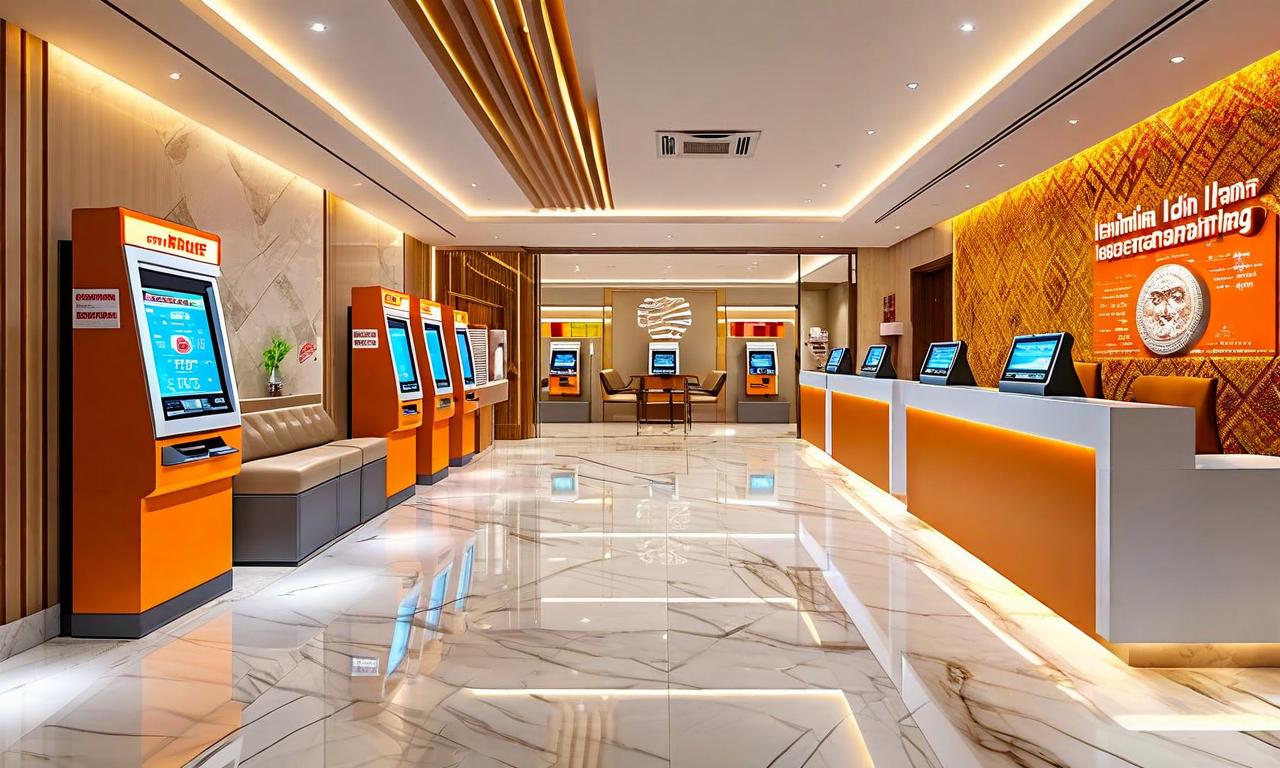

*this image is generated using AI for illustrative purposes only.
State Bank of India (SBI), India's largest lender, has reported a robust performance for the second quarter, showcasing its resilience and strategic focus in a dynamic banking landscape. The bank's results underscore its commitment to maintaining strong financial metrics while adapting to evolving market conditions.
Key Financial Highlights
- Net Interest Margin (NIM): SBI's domestic NIM improved by 7 basis points quarter-on-quarter to 3.09%, driven by effective repricing of deposits.
- Credit Growth: The bank reported an industry-leading credit growth, with domestic advances growing by 7.1% year-on-year.
- CASA Ratio: SBI maintained a strong CASA (Current Account Savings Account) ratio of 39.63%, with CASA deposits reaching over Rs. 21 lakh crores.
- Asset Quality: The bank's gross non-performing assets (GNPA) stood at Rs. 76,000 crores, while the accumulated written-off accounts (AUCA) were at Rs. 1,63,000 crores.
- Capital Adequacy: SBI's Liquidity Coverage Ratio (LCR) improved to 143.8% from 139% in the previous quarter.
Strategic Initiatives and Future Outlook
SBI Chairman C.S. Setty highlighted several key strategic initiatives during the earnings call:
Project SARAL: This initiative aims to simplify, automate, and centralize operational processes.
YONO 2.0: The bank plans to launch an upgraded version of its digital banking platform, enhancing customer experience and digital capabilities.
Subsidiary Monetization: SBI is considering listing its subsidiaries, SBI Mutual Fund and SBI General Insurance, to unlock value. The timing and quantum will be decided by the respective boards.
Corporate Credit Pipeline: The bank reported a robust corporate credit pipeline of Rs. 7 lakh crores, indicating strong potential for future growth.
Tab Banking: SBI has introduced tab-based account opening for corporate salary packages and current accounts, streamlining the onboarding process.
Sector-wise Focus
The bank is seeing increased activity in sectors such as power, renewable energy, commercial real estate, and iron and steel. SBI's diversified approach aims to capitalize on emerging opportunities across various industries.
Market Position and Valuation
Despite strong financial performance, SBI's market valuation remains a topic of discussion. The bank's business has reached the 100 trillion mark, yet its market capitalization of 8.82 lakh crores is significantly lower than some peers with smaller balance sheets. Management expressed confidence that valuations will eventually align with the bank's fundamental and operational metrics.
Conclusion
SBI's Q2 results demonstrate the bank's ability to navigate challenging market conditions while maintaining robust growth and profitability. With its strategic initiatives and strong market position, SBI is well-positioned to capitalize on the evolving banking landscape and deliver sustainable value to its stakeholders.
As the banking sector continues to evolve, SBI's focus on digital transformation, operational efficiency, and strategic growth initiatives will be crucial in maintaining its leadership position and driving long-term value creation.
 16
16













 Create Custom Screeners
  Access 200+ Pre-built Filters
  Use 50+ Readymade Screener





