

India Advances Rupee-Based Trade, Rejects BRICS Common Currency


India is advancing rupee-based international trade through Special Rupee Vostro Accounts, now authorized in 22 countries. Over 90% of India-Russia trade is settled in local currencies. The RBI has amended regulations to allow Russian entities to invest surplus rupees in Indian financial instruments. India completed its first crude oil deal with the UAE using local currency settlement. While promoting rupee usage, India has rejected the idea of a shared BRICS currency for de-dollarization efforts.

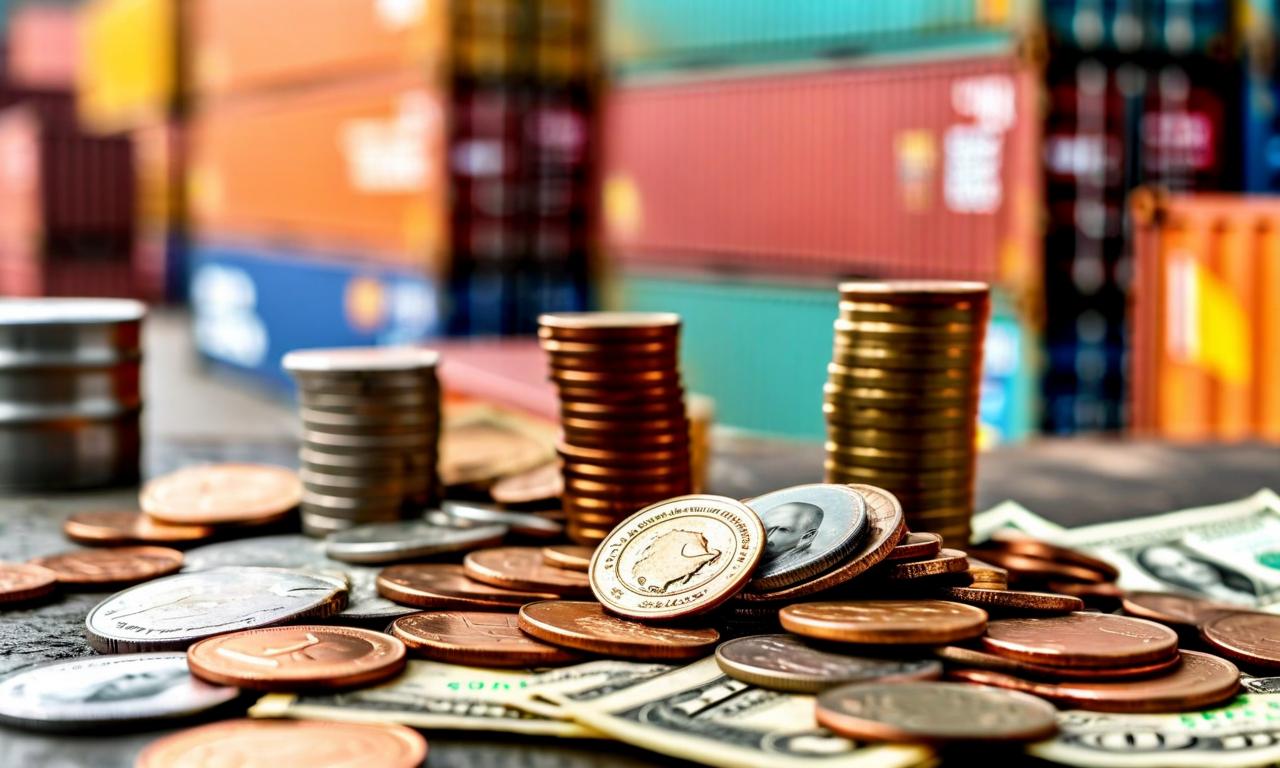

*this image is generated using AI for illustrative purposes only.
India is making significant strides in promoting international trade using the Indian Rupee (INR) while simultaneously rejecting the idea of a shared BRICS currency for de-dollarization efforts. This move underscores India's commitment to enhancing the global standing of its national currency.
Special Rupee Vostro Accounts
The Reserve Bank of India (RBI) has implemented a mechanism allowing trading partners to settle exports and imports in rupees through Special Rupee Vostro Accounts. This initiative has gained traction, with banks from 22 countries now authorized to open these accounts. The list of participating countries includes:
- Bangladesh
- Germany
- Russia
- United Arab Emirates (UAE)
- United Kingdom
Russia-India Trade in Local Currencies
The impact of this policy is particularly evident in India-Russia trade relations:
- Over 90% of India-Russia trade is now settled in local currencies
- Trade volume has increased significantly
However, this surge in trade has led to a significant trade deficit for India with Russia, resulting in large rupee surplus accumulations in Russian accounts.
RBI's Regulatory Amendments
To address the issue of rupee surplus, the RBI has amended regulations to allow Russian entities to invest surplus rupees in various Indian financial instruments, including:
- Treasury bills
- Government bonds
- Stocks
- Infrastructure projects
Local Currency Settlement with UAE
India's efforts to promote rupee-based trade have extended beyond Russia:
- India completed its first crude oil deal with the UAE using the Local Currency Settlement mechanism
Strategic Objectives and Challenges
India's push for rupee-based international trade aims to achieve several strategic objectives:
| Objectives | Challenges |
|---|---|
| Reduce dependency on foreign currencies | Rupee's relative weakness compared to major currencies |
| Lower transaction costs | Non-convertibility of the rupee |
| Mitigate exchange rate risks |
BRICS Common Currency Rejection
While promoting the use of the rupee in international trade, India has rejected the concept of a shared BRICS currency for de-dollarization. This stance highlights India's preference for strengthening its own currency rather than adopting a new shared currency within the BRICS bloc.
In conclusion, India's proactive approach to promoting rupee-based international trade demonstrates its commitment to enhancing the global role of the INR. While challenges remain, the initiatives taken by the RBI and the government show a clear strategy to reduce reliance on foreign currencies and strengthen India's position in global trade.
 18
18






 Access 50+ Readymade Screeners
  Use 200+ Custom Filters
  Get Full Market Insights





