
 NewsAdani Cement Pioneers Cement Decarbonization with World's First Commercial RotoDynamic Heater
Adani Cement Pioneers Cement Decarbonization with World's First Commercial RotoDynamic Heater


Adani Cement is partnering with Coolbrook to implement the world's first commercial RotoDynamic Heater (RDH) technology at its Boyareddypalli Integrated Cement Plant in Andhra Pradesh, India. This initiative aims to decarbonize the cement industry, particularly the calcination phase of production. The RDH technology, powered by renewable energy, is expected to reduce 60,000 tonnes of CO2 emissions annually. The partnership plans to launch five additional projects within two years. This deployment aligns with Adani Cement's sustainability goals, including increasing alternative fuel ratio to 30% and green power share to 60% by FY28, with a long-term objective of net-zero emissions by 2050.

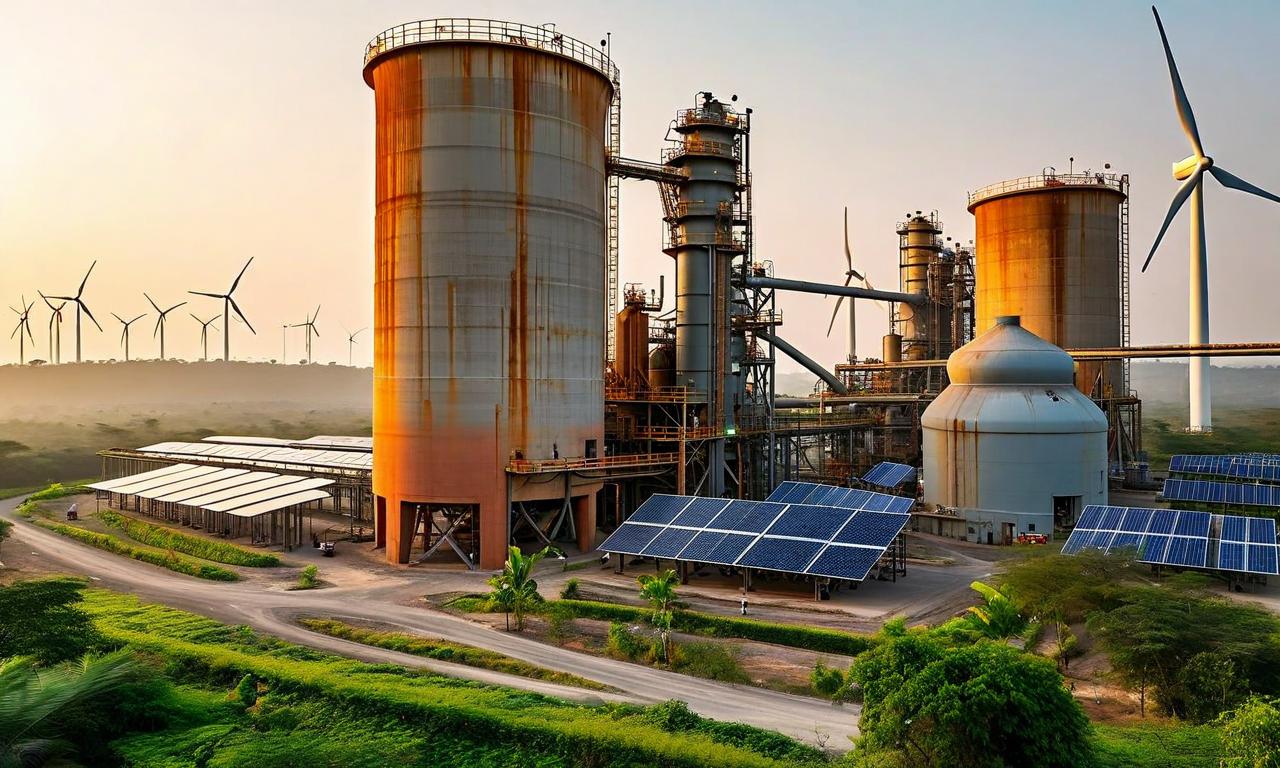

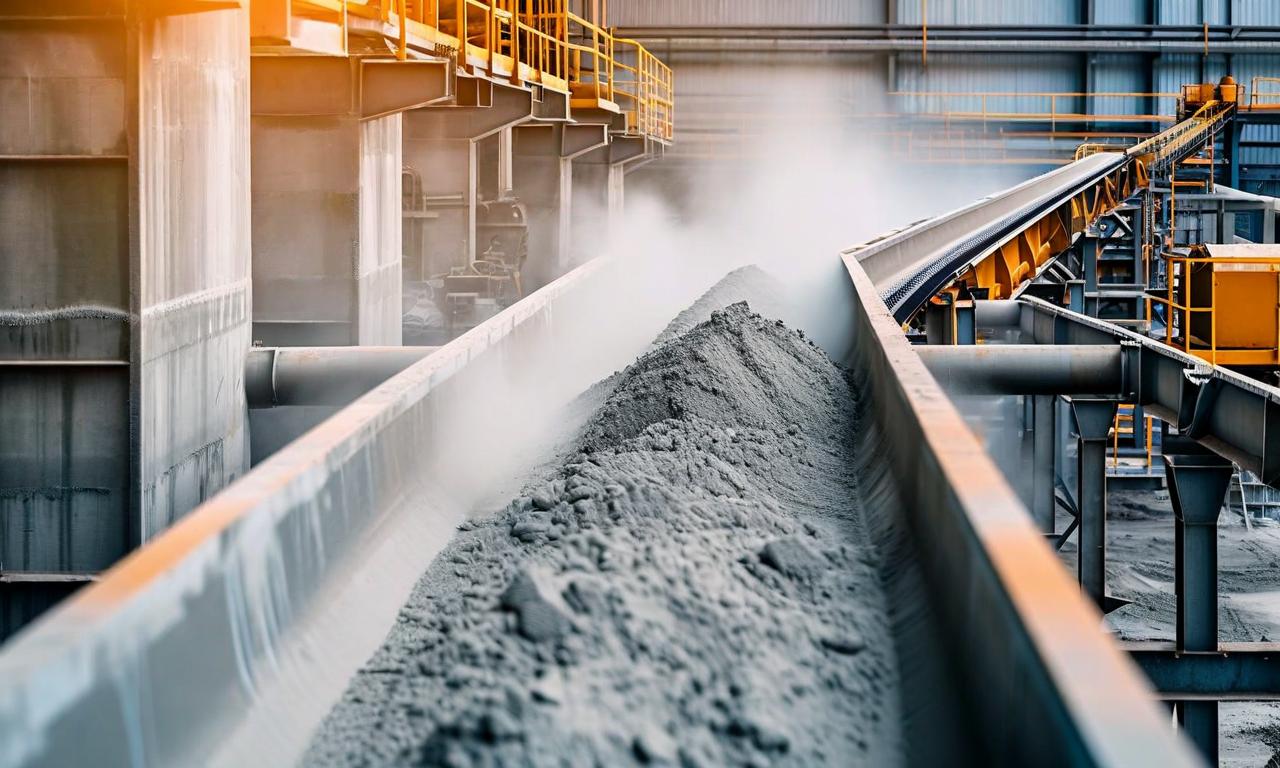
*this image is generated using AI for illustrative purposes only.
Adani Cement, a subsidiary of the Adani Group, has taken a significant step towards decarbonizing the cement industry by partnering with Coolbrook to deploy the world's first commercial RotoDynamic Heater (RDH) technology. This initiative will be implemented at the Boyareddypalli Integrated Cement Plant in Andhra Pradesh, India, marking a pivotal moment in sustainable cement production.
Key Highlights of the Partnership
- Technology: The RotoDynamic Heater (RDH) technology will be used to decarbonize the calcination phase of cement production.
- Location: Boyareddypalli Integrated Cement Plant, Andhra Pradesh, India.
- Environmental Impact: Expected to directly reduce 60,000 tonnes of CO2 emissions annually, with potential to increase tenfold.
- Energy Source: The RDH system will be powered entirely by Adani Cement's renewable energy portfolio.
- Future Plans: Adani Cement and Coolbrook aim to launch at least five additional projects within the next two years.
Technological Innovation
The RDH technology represents a significant advancement in cement manufacturing:
- It provides clean heat to dry and enhance alternative fuels, reducing reliance on fossil fuels.
- The first-generation RDH will deliver hot gases at around 1000°C, facilitating more efficient use of alternative fuels.
- This deployment demonstrates the feasibility of clean, electrified industrial heat powered entirely by renewables.
Strategic Alignment with Sustainability Goals
This initiative aligns closely with Adani Cement's sustainability targets:
| Goal | Target |
|---|---|
| Alternative Fuel Ratio | Increase to 30% by FY28 |
| Green Power Share | Achieve 60% by FY28 |
| Long-term Objective | Net-zero emissions by 2050 (SBTi validated) |
Industry Impact
The partnership between Adani Cement and Coolbrook has broader implications for the cement industry:
- It sets a new standard for low-carbon cement manufacturing.
- Positions India as a potential hub for clean cement production.
- Provides a scalable use case for deep industrial decarbonization.
Executive Insights
Vinod Bahety, CEO of Adani Group's Cement Business, emphasized the significance of this deployment: "This is a major leap towards achieving our net-zero goals. By integrating such cutting-edge electrification solutions into our cement production, we are accelerating the shift away from fossil fuels, reducing emissions at scale, enhancing the utilization of clean energy sources, and setting a new standard for low-carbon cement manufacturing."
Joonas Rauramo, CEO of Coolbrook, added: "Our mission is to make RotoDynamic Technology a new industry standard for decarbonizing hard-to-abate sectors. Together, we're redefining how cement is produced - cleaner, more efficient, and ready for a net-zero future."
This collaboration between Adani Cement and Coolbrook marks a significant milestone in the cement industry's journey towards sustainability. By leveraging innovative technologies and renewable energy, Adani Cement is not only reducing its carbon footprint but also paving the way for a greener future in cement production.
Historical Stock Returns for Orient Cement
| 1 Day | 5 Days | 1 Month | 6 Months | 1 Year | 5 Years |
|---|---|---|---|---|---|
| +0.10% | +3.01% | -5.48% | -20.68% | -46.57% | 0.0% |
 15
15








 Create Custom Screeners
  Access 200+ Pre-built Filters
  Use 50+ Readymade Screener





