

WeWork India profit surges 142%, turns net debt negative in Q4 FY26


WeWork India Management Limited reported a 142% year-on-year surge in net profit to ₹79.6 Cr for Q4 FY26, driven by record occupancy and operational efficiency. Revenue from operations increased 29% to ₹709.9 Cr, while EBITDA rose 42.8% to ₹164.7 Cr. The company turned net debt negative for the first time at -₹11.7 Cr and secured a two-notch credit rating upgrade to A+. For FY27, the company expects to add approximately 28,000 seats, with capex estimated between ₹500 Cr and ₹600 Cr.



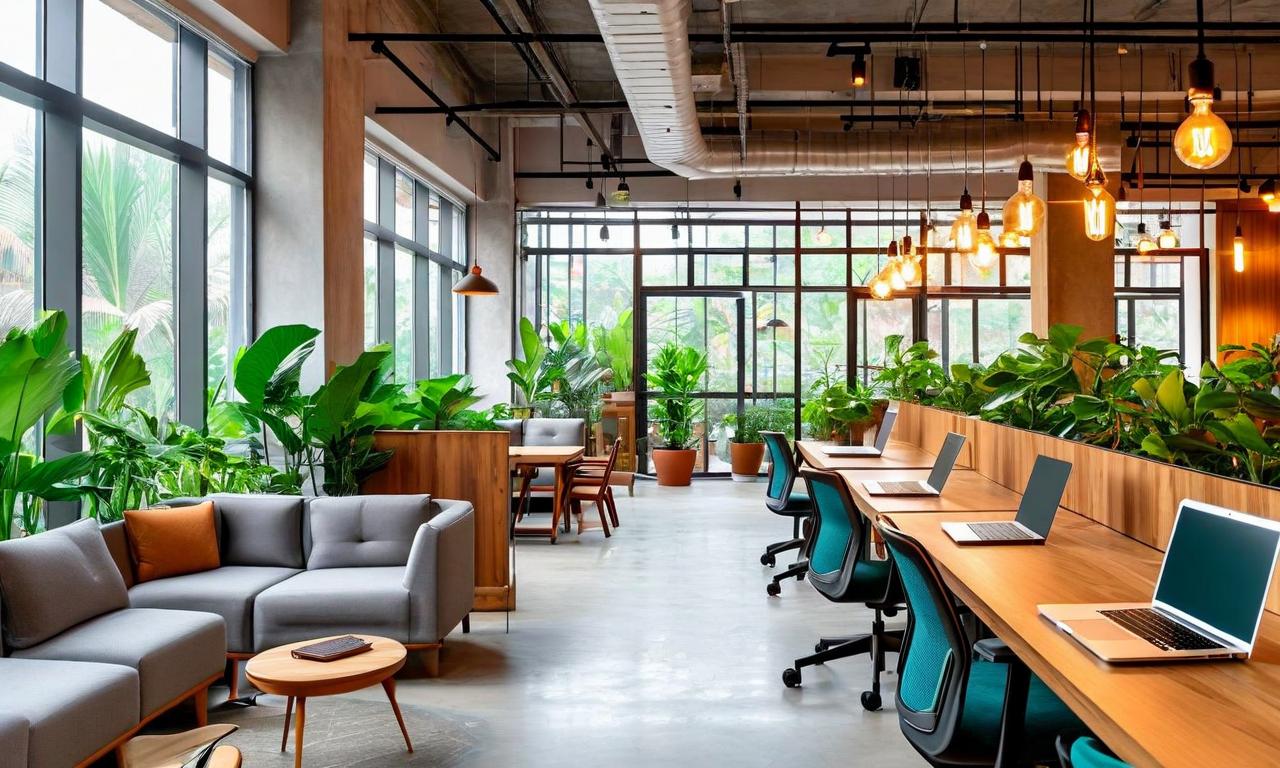
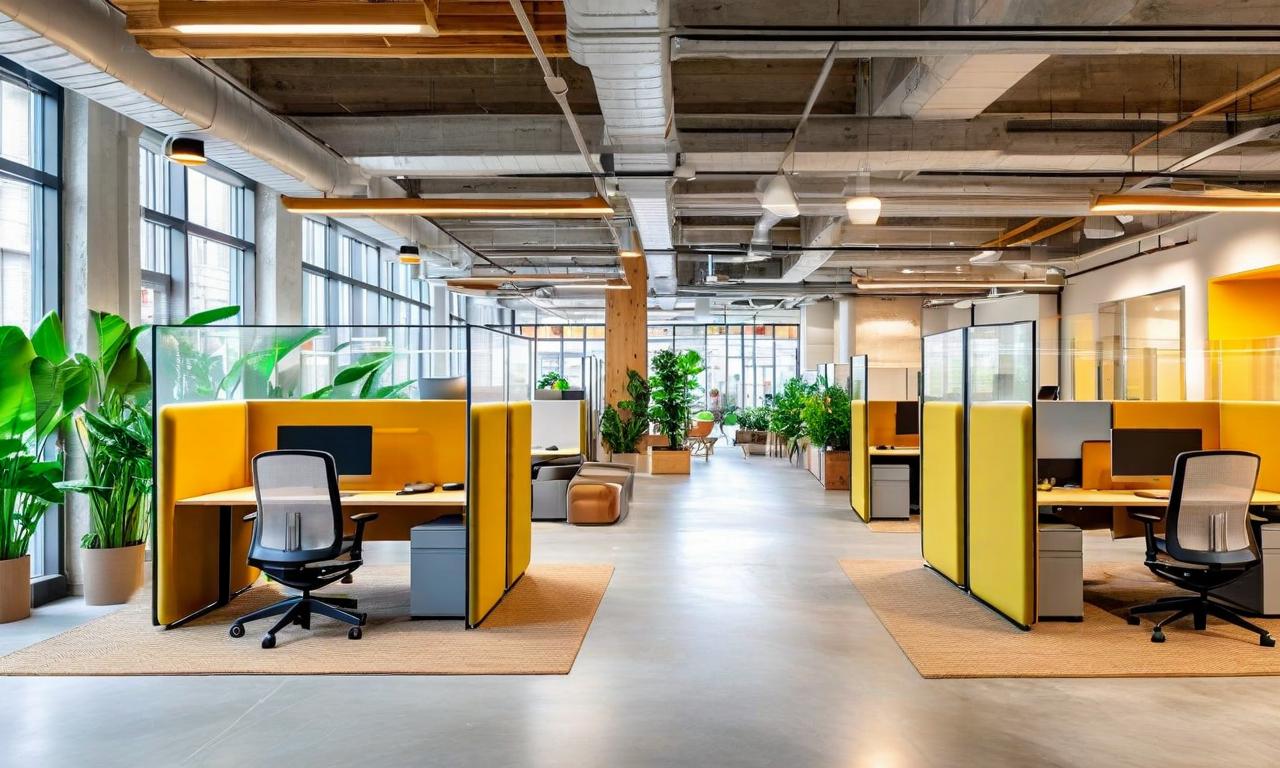
*this image is generated using AI for illustrative purposes only.
WeWork India Management Limited reported a 142% year-on-year surge in net profit to ₹79.6 Cr for Q4 FY26, driven by record occupancy and operational efficiency. Revenue from operations increased 29% to ₹709.9 Cr, while EBITDA rose 42.8% to ₹164.7 Cr, expanding the margin to 23.2%. The company turned net debt negative for the first time at -₹11.7 Cr, compared to a net debt of ₹215.3 Cr in the previous year, and secured a two-notch credit rating upgrade to A+.
Financial Performance
The company delivered broad-based growth across profitability and margin metrics for the full year ended March 31, 2026. Annual revenue from operations increased to ₹2,477.4 Cr from ₹2,007.3 Cr in the previous year. The annual standalone net profit was ₹179 Cr, more than doubling from the prior year. The EBITDA margin for the quarter expanded to 23.2% from 20.9% on a year-on-year basis.
| Metric | Q4 FY26 | Q4 FY25 (YoY) |
|---|---|---|
| Revenue | ₹709.9 Cr | ₹551.9 Cr |
| EBITDA | ₹164.7 Cr | ₹115.3 Cr |
| Net Profit | ₹79.6 Cr | ₹32.9 Cr |
| ROCE | 45.1% | 26.8% |
Operational Highlights
WeWork India closed FY26 with an operational footprint of 8.6 million sq ft across 76 centres in 8 cities. Portfolio occupancy reached an all-time high of 86.9%, with mature centres standing at 88.9%. The company sold close to 48,000 desks during the year, representing 3.3 million sq ft of leasing, its highest ever 12-month velocity. Management attributed the growth to broad-based demand across sectors, with BFSI and telecommunications leading the way.
Outlook and Strategy
Management highlighted that the flex workspace category is being shaped by multiple structural tailwinds, including the AI demand wave, GCC build-out, flight to quality, and a shift away from long-term leases. The company noted that AI hiring in India is up 6x in six years, and flex stock is projected to grow 2.5x to 257 million sq ft by 2030. For FY27, the company expects to add approximately 28,000 seats, with capex estimated between ₹500 Cr and ₹600 Cr.
Historical Stock Returns for WeWork India Management
| 1 Day | 5 Days | 1 Month | 6 Months | 1 Year | 5 Years |
|---|---|---|---|---|---|
| +0.01% | +1.51% | -0.76% | +38.21% | +6.51% | +6.51% |

How will WeWork India sustain its record occupancy levels as competition intensifies in the flex workspace market?
What impact will the projected ₹500-600 Cr capex have on free cash flow and leverage ratios in FY27?
To what extent can the demand from BFSI and telecom sectors offset potential slowdowns in other industries?
 17
17











 Create Custom Screeners
  Access 200+ Pre-built Filters
  Use 50+ Readymade Screener





