Websol Energy System Limited reported a record financial performance for FY26, with revenue rising 82.4% to ₹1,049.44 crore and net profit nearly doubling to ₹303.01 crore. The company also declared a final dividend of ₹0.25 per share for the first time in a decade.
The results were disclosed alongside the proceedings of the 36th Annual General Meeting held on September 22, 2026. Chairman Sohan Lal Agarwal highlighted that the milestone was achieved through disciplined execution and internal accruals, resulting in a debt-free balance sheet. Executive Director Sanjana Khaitan noted that the momentum continued into Q1FY27, with revenue surging 70% to ₹372.60 crore.
Financial performance highlights
The company crossed the ₹1,000 crore revenue mark in FY26, driven by the expansion into module manufacturing and strong demand in the renewable energy sector. EBITDA scaled to ₹428.54 crore, delivering a robust margin of 40.84%. Net worth more than doubled within the single financial year, standing at ₹630.71 crore.
| Metric |
FY26 |
Q1FY27 |
Growth/Change |
| Revenue |
₹1,049.44 crore |
₹372.60 crore |
+82.4% (FY26), +70% (Q1) |
| EBITDA |
₹428.54 crore |
₹125.58 crore |
Margin: 40.84% (FY26) |
| Net Profit |
₹303.01 crore |
₹77.79 crore |
Nearly doubled (FY26), +16% (Q1) |
| Order Backlog |
Not Disclosed |
₹1,278 crore |
Revenue-accretive |
Debt reduction and dividend declaration
A key highlight of the fiscal year was the structural shift in the company's capital structure. Websol Energy entirely prepaid its IREDA loan of ₹110 crore ahead of schedule using internal accruals. This move resulted in a net cash position and led to the systematic release of promoter pledged shares. Consequently, CRISIL upgraded the company's credit rating to BBB+.
Reflecting this financial self-sufficiency, shareholders approved a final dividend of ₹0.25 per equity share for FY26 during the AGM. This marks the first dividend payout by the company in ten years.
Strategic expansion and technology upgrade
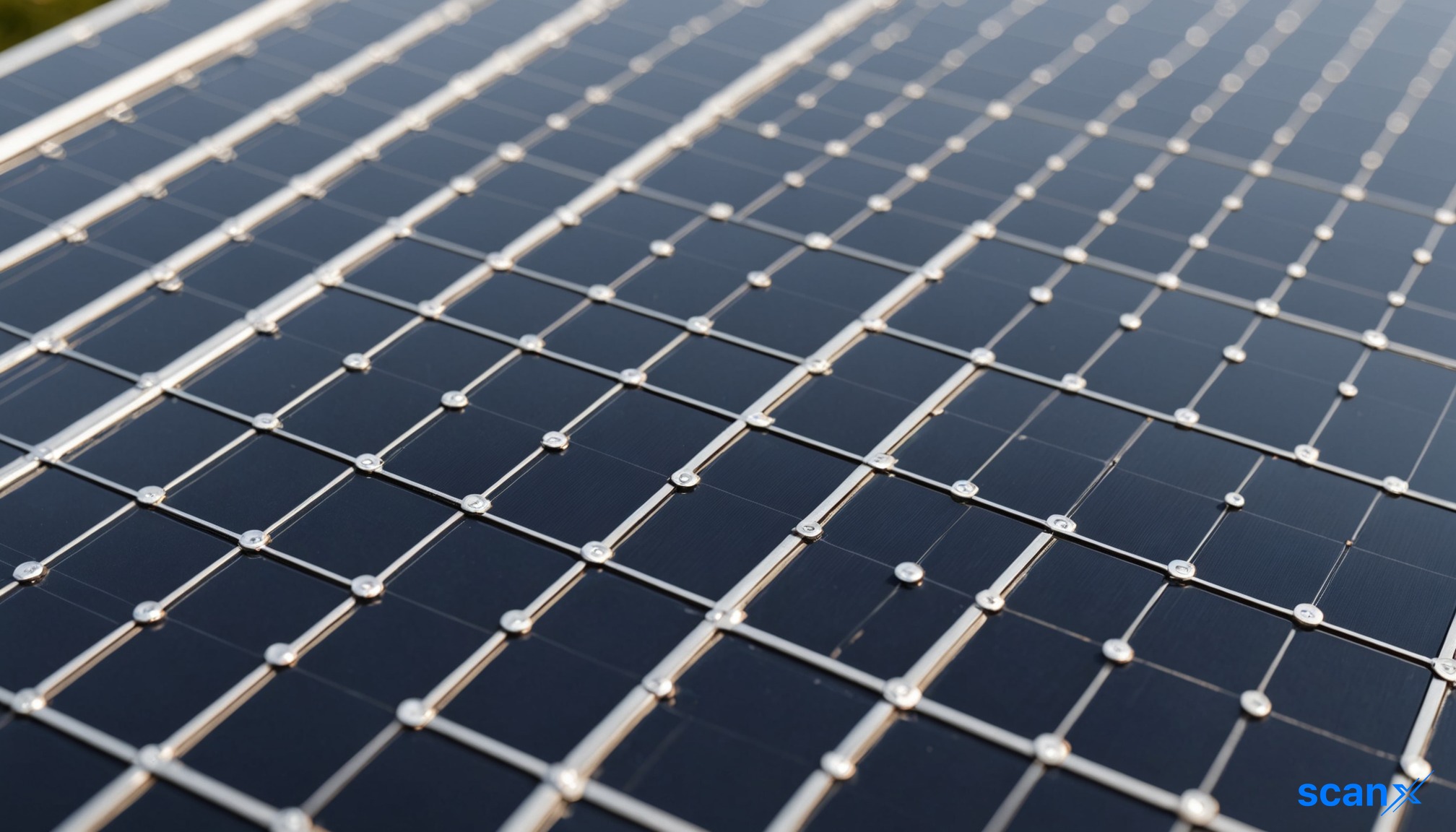
The company is actively upgrading its production lines from standard Mono PERC to TOPCon technology to enhance panel efficiency and power output. This transition supports the broader strategy of vertical integration, moving from component manufacturing to a comprehensive solar provider model.
Looking ahead, Websol Energy aims to scale its manufacturing capacity to 5,350 MW of solar cells and 4,550 MW of solar modules by 2028. The expansion into module manufacturing also opens avenues for backward integration into wafer production, aiming to secure supply chains and insulate against external price fluctuations.
AGM resolutions and governance
During the AGM, shareholders adopted the standalone and consolidated audited financial statements for FY26. Ms. Sanjana Khaitan was re-appointed as a director, while Mr. Sanjay Kumar was appointed as Non-Executive Non-Independent Director. Mr. Dinesh Agarwal was appointed as Independent Director for five years effective August 10, 2026.
Mr. Rajeeva R Arya retired from the office of Director at the conclusion of the meeting due to personal reasons. The Statutory Auditors' reports contained no qualifications or adverse remarks.
Voting outcomes for key resolutions
The scrutinizer's report for the 36th AGM confirmed that all seven resolutions were passed with requisite majority. Shareholders voted overwhelmingly in favor of adopting the audited financial statements, with 99.99% of valid votes cast in support. The proposal to declare the final dividend of ₹0.25 per share received 99.40% support from voting members.
Regarding board changes, Ms. Sanjana Khaitan’s re-appointment secured 98.70% of votes in favor. Mr. Sanjay Kumar’s appointment as Non-Executive Non-Independent Director received 99.83% support, while Mr. Dinesh Agarwal’s appointment as Independent Director garnered 99.86% approval. The resolution revising Ms. Khaitan’s remuneration terms passed with 98.94% support, and the payment of commission to Non-Executive Directors was approved by 89.77% of voters.
Institutional dissent on remuneration
Detailed e-voting data reveals significant divergence between promoter and institutional investor sentiment on compensation matters. While promoters voted unanimously in favor of all resolutions, institutional investors opposed the revision of Ms. Khaitan’s remuneration, casting 93.50% of their votes against it. Similarly, institutions voted 99.07% against the payment of commission to Non-Executive Directors. Despite this institutional pushback, the resolutions passed due to the overwhelming voting power of the promoter group.




 17
17












 Access 50+ Readymade Screeners
  Use 200+ Custom Filters
  Get Full Market Insights





