

VirTra accepted into U.S. Army marketplace for weapons, fires, and C-UAS


VirTra joins the U.S. Army digital storefront for Weapons Skills Development, Joint Fires Training, and Counter-UAS. This inclusion enables competition for future contracts by validating VirTra's solutions against defined operational requirements, though it does not guarantee immediate awards.

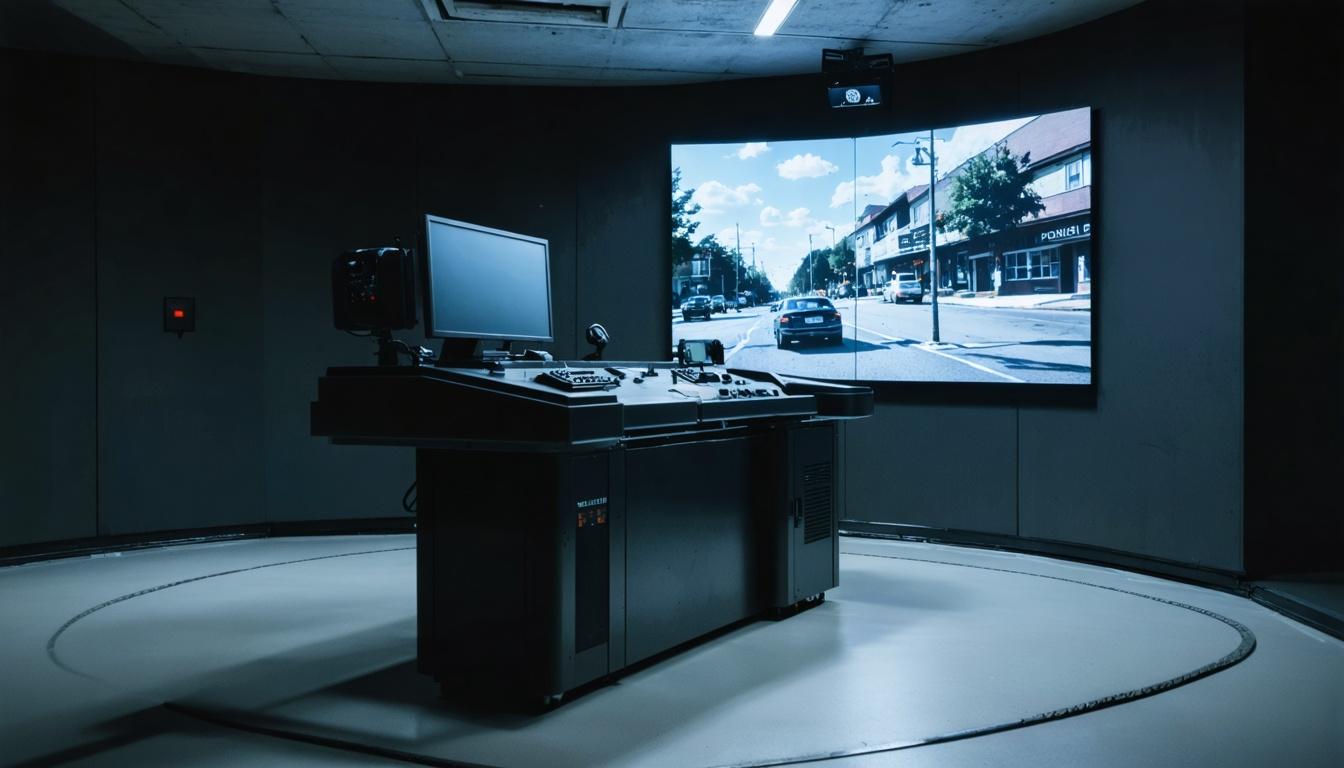

*this image is generated using AI for illustrative purposes only.
VirTra has been accepted into the U.S. Army digital storefront, enabling the company to compete for future contracts in Weapons Skills Development, Joint Fires Training, and Counter-Unmanned Aircraft Systems (C-UAS). While this inclusion does not constitute an immediate contract award or guarantee future orders, it validates the Army’s assessment that VirTra’s solutions can address specific operational and training needs. The acceptance expands VirTra’s ability to engage with Army stakeholders seeking adaptable commercial solutions through a streamlined procurement model.
The marketplace position covers three distinct capability areas critical to modern military training and force protection. Each area targets specific operational gaps using virtual and instrumented technologies to enhance readiness while reducing reliance on live resources.
Capability Areas
The U.S. Army Marketplace acceptance spans the following key domains:
| Capability Area | Focus | Key Benefits |
|---|---|---|
| Weapons Skills Development (WSD) | Virtual marksmanship and weapons proficiency | Uses instrumented weapons and simulated environments to reduce live ammunition reliance |
| Joint Fires Training (JFT) | Target identification and fires coordination | Enables Forward Observers and Joint Terminal Attack Controllers to practice complex tasks |
| Counter-Unmanned Aircraft Systems (C-UAS) | Detection and defeat of hostile small drones | Extends beyond simulation to force-protection solutions for evolving air threats |
Weapons Skills Development focuses on realistic, data-driven training. By utilizing advanced optics and simulated environments, the capability supports marksmanship proficiency without the logistical burden of live fire exercises. Joint Fires Training supports personnel such as Forward Observers and Joint Terminal Attack Controllers in identifying targets, determining coordinates, and coordinating artillery, mortar, and close-air support within virtual environments.
Counter-Unmanned Aircraft Systems addresses the growing threat of hostile small unmanned aircraft. This capability prepares personnel to detect, track, identify, and defeat such threats. Unlike the purely simulation-based WSD and JFT categories, C-UAS extends into force-protection solutions designed to respond to rapidly evolving threats in the air domain.
Strategic Implications
VirTra’s acceptance across these three categories highlights its capacity to address both established and emerging defense requirements. The U.S. Army Marketplace model is designed to streamline the identification, evaluation, and procurement of qualified commercial solutions for Army units. By being included in this digital storefront, VirTra positions itself to demonstrate its capabilities directly to Army representatives and pursue individual opportunities as they arise. The company will continue working with Army stakeholders to leverage this access for future contract engagements.

How might VirTra's inclusion in the Army digital storefront impact its competitive positioning against traditional defense contractors in the simulation and training sector?
What specific revenue milestones or contract values should investors monitor to gauge the commercial success of VirTra's Weapons Skills Development and Joint Fires Training solutions?
Given the rapid evolution of drone technology, how quickly can VirTra scale its Counter-Unmanned Aircraft Systems (C-UAS) hardware and software to meet emerging field requirements?
 18
18







 Access 50+ Readymade Screeners
  Use 200+ Custom Filters
  Get Full Market Insights





