

Unusual Machines Q2FY26 Results: Revenue rises 687% YoY to $16.7 million


- Revenue reached $16.7 million, up 687% YoY and 107% QoQ
- Adjusted EBITDA loss narrowed to $400,000 from $1.6 million
- Enterprise segment contributed 95% of total revenue
- Working capital stands at $367.5 million with zero debt
- Internal target set for $25 million revenue in Q4FY26

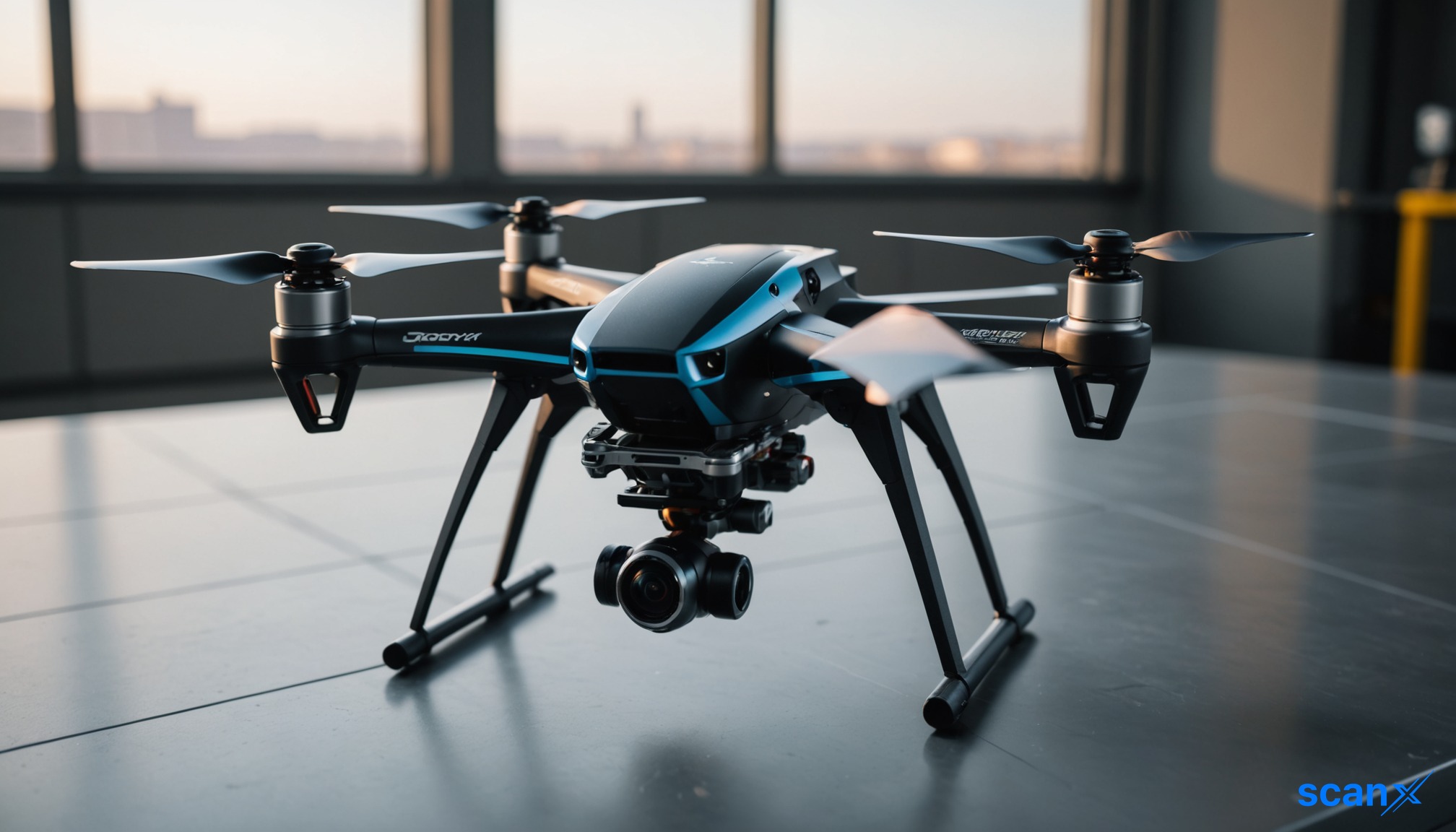

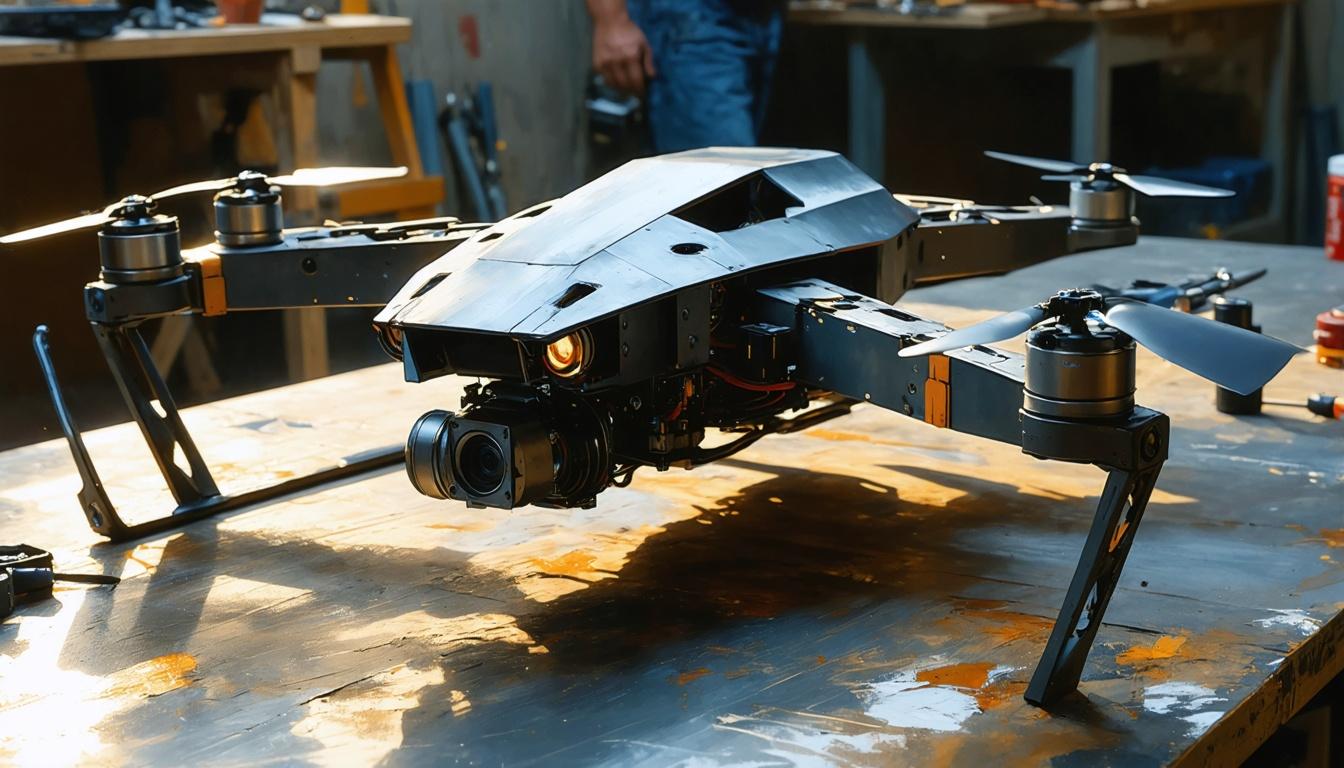
*this image is generated using AI for illustrative purposes only.
Unusual Machines reported operating revenue of $16.7 million for the second quarter of fiscal year 2026, marking a 687% year-over-year increase and a 107% sequential rise. The company narrowed its non-GAAP adjusted EBITDA loss to $400,000, down from $1.6 million in the prior quarter, while maintaining a healthy gross margin of 34.7%.
The significant growth was driven entirely by the enterprise segment, which accounted for approximately 95% of total revenue. This shift reflects a strategic pivot away from retail channels toward large-scale commercial and government contracts. Despite rapid scaling, which saw headcount grow from 141 to 240 employees, the company managed to contain losses through disciplined operational execution.
Financial Performance Overview
The quarter highlighted a strong balance sheet position supported by recent capital raises and investment gains. Total working capital stands at $367.5 million with no debt, providing substantial liquidity for inventory management and expansion.
| Metric | Q2FY26 | Prior Quarter | Change |
|---|---|---|---|
| Operating Revenue | $16.7 million | $8.06 million | +107% |
| Adjusted EBITDA Loss | $400,000 | $1.6 million | Improved |
| Gross Margin | 34.7% | Lower | Increased |
| Cash Balance | $229 million | N/A | N/A |
| Working Capital | $367.5 million | N/A | N/A |
Operating expenses rose to $13.6 million, reflecting deliberate investments in G&A infrastructure, IT systems, and headcount. This figure includes $5.7 million in non-cash stock compensation and $1.8 million in non-recurring expenses. The company also recorded a $2.3 million realized gain from investments and $1.8 million in interest income, contributing positively to overall cash flow without additional dilution.
Strategic Expansion and Demand Drivers
Management identified the Department of War’s drone dominance program as the primary driver of demand. Phase two of the program is in final selection, with more than 60,000 drones expected to be ordered in the second half of 2026, predominantly in Q4. Additionally, the counter-UAS market is emerging as a significant addressable segment, with recent orders including a $90 million contract for Power US and $500 million orders from AeroVironment and Perennial Autonomy.
To meet this supply-constrained demand, Unusual Machines is accelerating manufacturing capacity. A high-speed motor production line is currently being installed in Florida, and the company is integrating Upgrade Energy to scale battery production. The firm aims to expand its footprint from 70,000 square feet to potentially 300,000 square feet over the next nine months.
What the Numbers Show
A divergence between revenue acceleration and margin stability highlights the company's pricing discipline. While revenue more than doubled sequentially, gross margins remained steady at 34.7%, slightly below the long-term target of 40%. Management explicitly stated they are resisting price hikes despite severe supply constraints to remain competitive against imported components from Taiwan, Japan, and China. This strategy prioritizes market share capture and customer retention over immediate margin expansion, evidenced by the fact that enterprise customers now constitute 95% of revenue compared to just 6% from retail channels like Rotor Riot.
Outlook and Guidance
Internal targets for the remainder of the fiscal year include revenue of $12-$14 million in Q3FY26 and $25 million in Q4FY26. These figures are not formal guidance but reflect internal operational goals amidst infrastructure build-out. The company aspires to reach $250 million in annual revenue by 2027, contingent on successful scaling of manufacturing capabilities and resolution of supply chain bottlenecks, particularly regarding electronics and magnets sourced from Asia.

How will the final selection results of the Department of War's drone dominance program Phase 2 specifically impact Unusual Machines' Q4 revenue realization and long-term backlog visibility?
What specific mitigation strategies is Unusual Machines implementing to address the supply chain bottlenecks for electronics and magnets sourced from Asia as it scales toward the $250 million annual revenue target?
Given the strategic pivot to enterprise contracts, how might the near-total elimination of retail channel revenue affect the company's brand resilience and diversification risks in future fiscal cycles?











 Create Custom Screeners
  Access 200+ Pre-built Filters
  Use 50+ Readymade Screener





