

Unity reveals Unity 7 roadmap at Unite Seoul event


Unity announced Unity 7 at Unite Seoul, a platform designed for collaboration between human creators and coding agents. Key features include a modernized CoreCLR core, open APIs, and advanced graphics with no breaking changes from Unity 6. Early Beta begins in December, followed by a full release in Q1 2027.

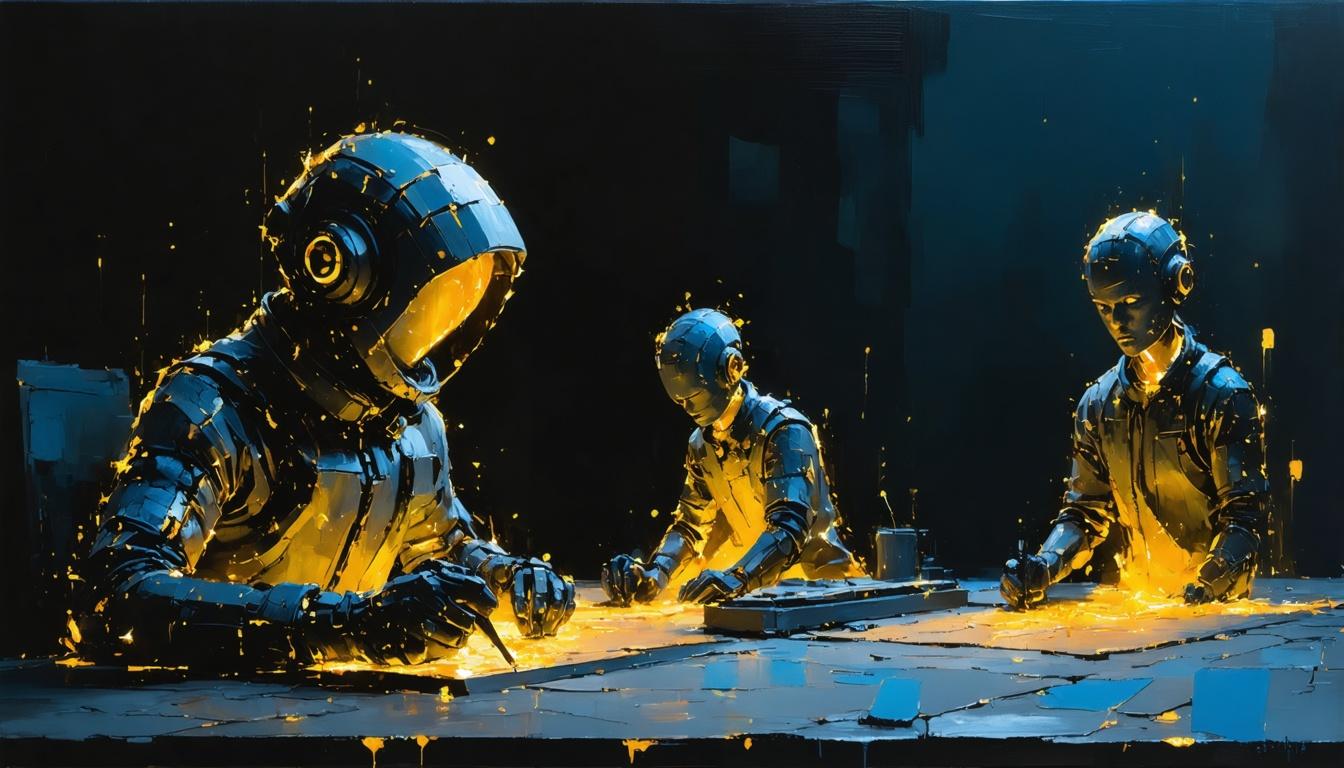

*this image is generated using AI for illustrative purposes only.
Unity revealed the roadmap for Unity 7 at Unite Seoul, outlining a next-generation authoring platform designed to enable creators, teams, and coding agents to collaborate across the entire development cycle. The platform is built to support the evolution of game creation, where developers, artists, producers, and coding agents work side by side. Unity 7 integrates with existing AI tools to accelerate the progression from idea to playable game, helping teams build, monetize, and grow their projects efficiently.
The upgrade to Unity 7 will not require a traditional rebuild from Unity 6, ensuring that no projects, skills, or code are broken during the transition. Matt Bromberg, President and CEO of Unity, stated that the future belongs to those who can use new technology to create unique experiences and find an audience, positioning Unity 7 as the platform to meet this moment.
Core Pillars of Unity 7
Unity 7 is constructed on five foundational pillars designed to enhance the development workflow:
- Faster Creation: Built on a modernized core utilizing CoreCLR, the platform accelerates the development pipeline. Features include a near-instant Play Mode, domain reloads that touch only changed code, and shader builds up to 90% faster.
- An Open, Collaborative Ecosystem: A new CLI and public API allow team members to validate assets and push builds without full Editor access. A free-to-use MCP connects coding agents directly to Unity.
- Breakthrough Graphics: New rendering advances, such as realtime global illumination through Surface Cache GI, provide richer lighting and visual detail. AI-assisted graphics optimization scales visuals from high-end PCs to mobile devices.
- Smarter Growth and Monetization: Unity Vector, the AI engine behind Unity Ads, matches players to games. Native direct-to-consumer IAP, no-code webshops, and unified catalogs feed purchase data back into Vector to aid monetization.
- No Breaking Changes: As a direct continuation of the Unity 6 architecture, the upgrade path requires zero rebuilding, allowing all existing projects and code to carry forward smoothly.
Release Schedule
Unity 7 is scheduled to enter early Beta testing in December. The full release is planned for Q1 2027, marking the next step in the company's platform evolution.

How will the introduction of coding agents via the MCP integration reshape traditional development team structures and roles?
What impact will the delay until the 2027 full release have on Unity's ability to compete with Unreal Engine 5 in the near term?
Will the new monetization features and Unity Vector integration drive developers toward Unity's ad ecosystem over third-party alternatives?
 20
20






 Create Custom Screeners
  Access 200+ Pre-built Filters
  Use 50+ Readymade Screener





