

TotalEnergies approves Nigeria Ima gas project, targets 2028 start


- TotalEnergies and AMNI took Final Investment Decision on Ima gas field in Nigeria
- Production targeted to start in 2028 with plateau of 350 million cubic feet per day
- Field will supply one-third of gas needed for Nigeria LNG Train 7 expansion
- TotalEnergies holds 40% stake and operates; AMNI holds 60%
- Shares rose 1.19% to $90.92 ahead of October 29 earnings report



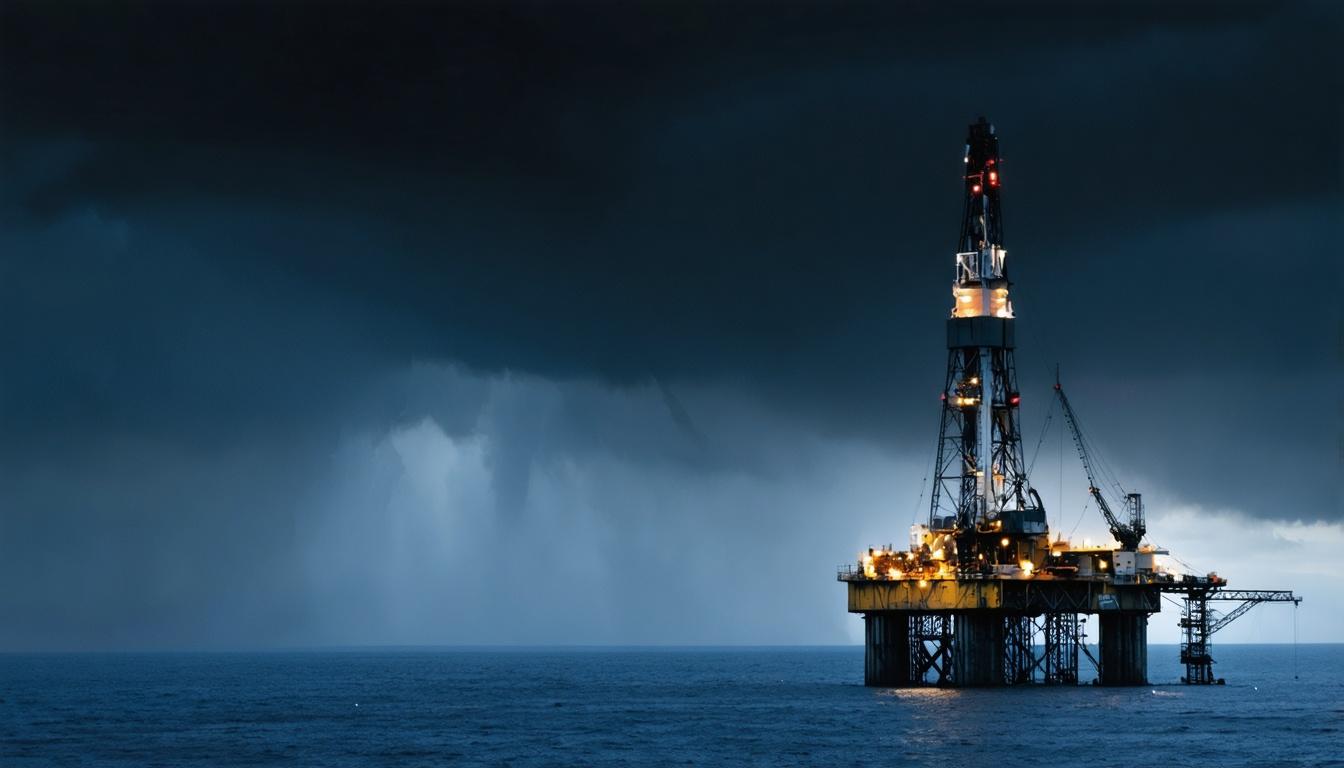
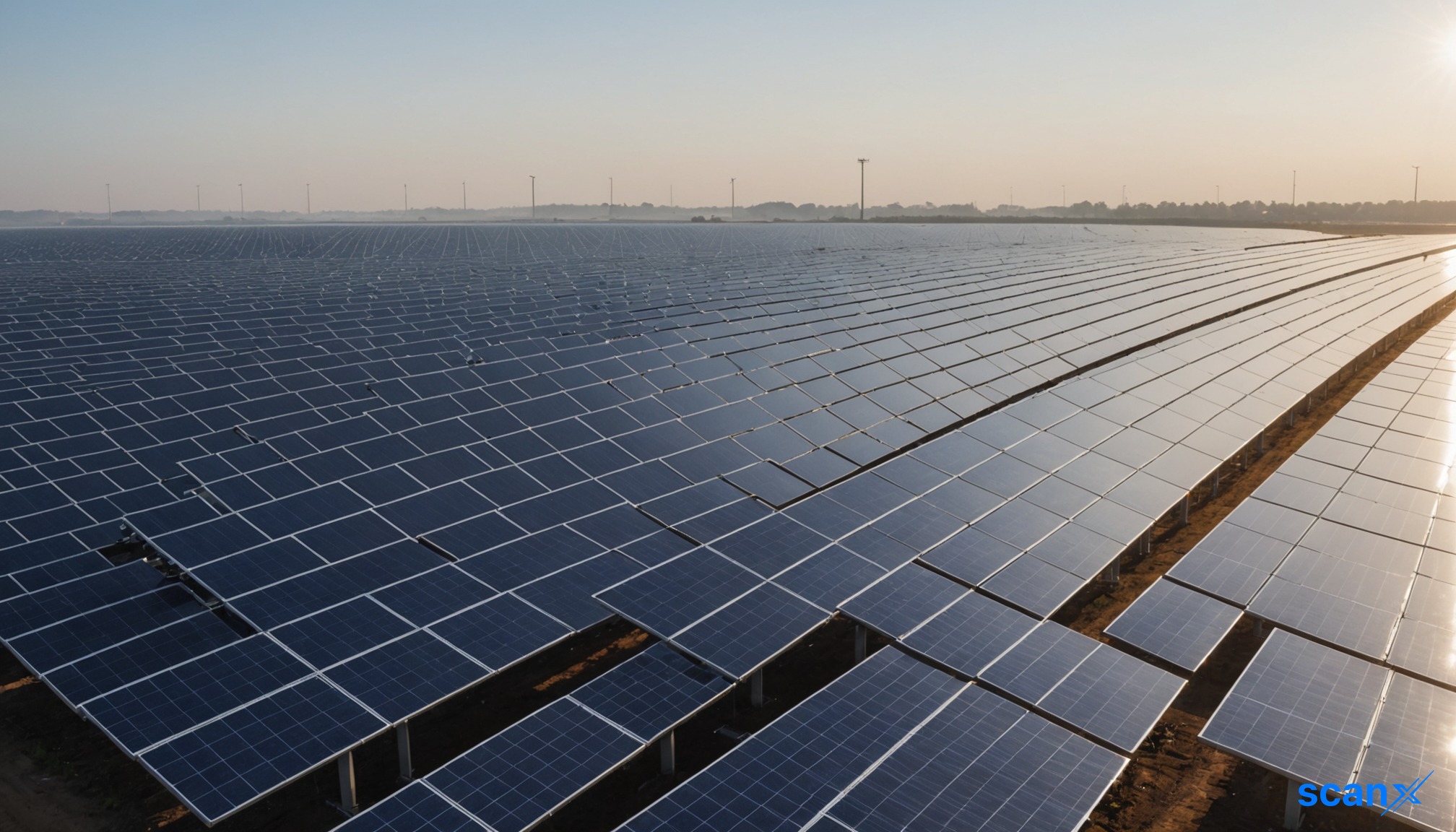
*this image is generated using AI for illustrative purposes only.
TotalEnergies SE (NYSE: TTE) shares rose following the Final Investment Decision for the Ima gas field in Nigeria. The project aims to supply one-third of the feedstock for Nigeria LNG’s Train 7 expansion.
Project structure and capacity
The shallow-water Ima field is located near Bonny Island. TotalEnergies operates the project with a 40% stake, while partner AMNI holds 60%. Development involves a single platform connected by a 22-kilometer pipeline to Nigeria LNG, in which TotalEnergies holds a 15% stake.
Production is expected to begin in 2028, reaching a plateau of 350 million cubic feet per day. This volume is equivalent to more than 60,000 barrels of oil equivalent per day.
| Metric | Detail |
|---|---|
| Operator | TotalEnergies (40%) |
| Partner | AMNI (60%) |
| Start-up Year | 2028 |
| Plateau Production | 350 million cubic feet per day |
| BOE Equivalent | >60,000 barrels per day |
Strategic context in Africa
Nicolas Terraz, President Exploration & Production at TotalEnergies, stated that the Ima FID marks another step in the company’s integrated gas strategy in Nigeria. He noted that following the Ubeta project sanctioned in 2024, which is expected to start up next year, Ima demonstrates the ability to develop low-cost, low-emissions gas resources.
The move follows a recent partnership agreement between TotalEnergies and Global Infrastructure Partners (GIP), part of BlackRock. GIP will make a $1.8 billion capital contribution to TotalEnergies in exchange for a throughput-based tariff paid over up to 15 years. Jean-Pierre Sbraire, Chief Financial Officer, said the deal unlocks value from midstream infrastructure assets in Africa.
What the numbers show
The Ima project is designed to support Nigeria LNG’s Train 7 expansion, which increases liquefaction capacity from 22 million tons per annum to 30 Mtpa. By supplying about one-third of the gas needed for this expansion, TotalEnergies secures feedstock for an asset where it already holds a 15% equity stake, creating vertical integration benefits across upstream production and downstream liquefaction.
Market reaction and analyst outlook
TotalEnergies shares were up 1.19% at $90.92 at the time of publication on Wednesday, approaching the 52-week high of $94.17. Investors are tracking the path toward the next reporting date on October 29, 2026.
Analyst consensus carries a Buy rating with an average price forecast of $97.67. Recent actions include:
- Piper Sandler: Neutral (Raises Target to $93.00) (Sept. 3)
- Mizuho: Initiated with Outperform (Target $103.00) (July 20)
| Metric | Estimate | YoY Change |
|---|---|---|
| EPS | $3.10 | Up from $1.77 |
| Revenue | $49.57 Billion | Up from $48.69 Billion |
| P/E Ratio | 11.2x | Value opportunity vs peers |
Top ETF exposure includes Amplify Energy & Natural Resources Covered Call ETF (NYSE: NDIV) at 5.11% weight and Altrius Global Dividend ETF (NASDAQ: DIVD) at 2.25% weight.

How might the $1.8 billion GIP capital contribution influence TotalEnergies' future dividend policy or share buyback capacity?
What are the potential regulatory or security risks in Nigeria that could delay the 2028 start-up of the Ima field?
How will the vertical integration between Ima production and Nigeria LNG Train 7 impact TotalEnergies' overall gas margin resilience amid fluctuating global LNG prices?
 17






 Access Market Heat-map & Insights
 Create, Save & Share your Screener
 Use 200+ Screening Filters





