

TOMI reports accelerating SteraMist adoption amid biosecurity threats


TOMI Environmental Solutions reported accelerating adoption of its SteraMist platform on June 23, 2026, driven by global biosecurity threats and recent outbreaks of Ebola, measles, and norovirus. The company is seeing expanded deployments with healthcare providers and government agencies internationally and in the U.S. to strengthen environmental decontamination protocols. TOMI expects these trends to support commercial momentum throughout 2026 and is exploring opportunities in automation and robotics to enhance large-scale capabilities.



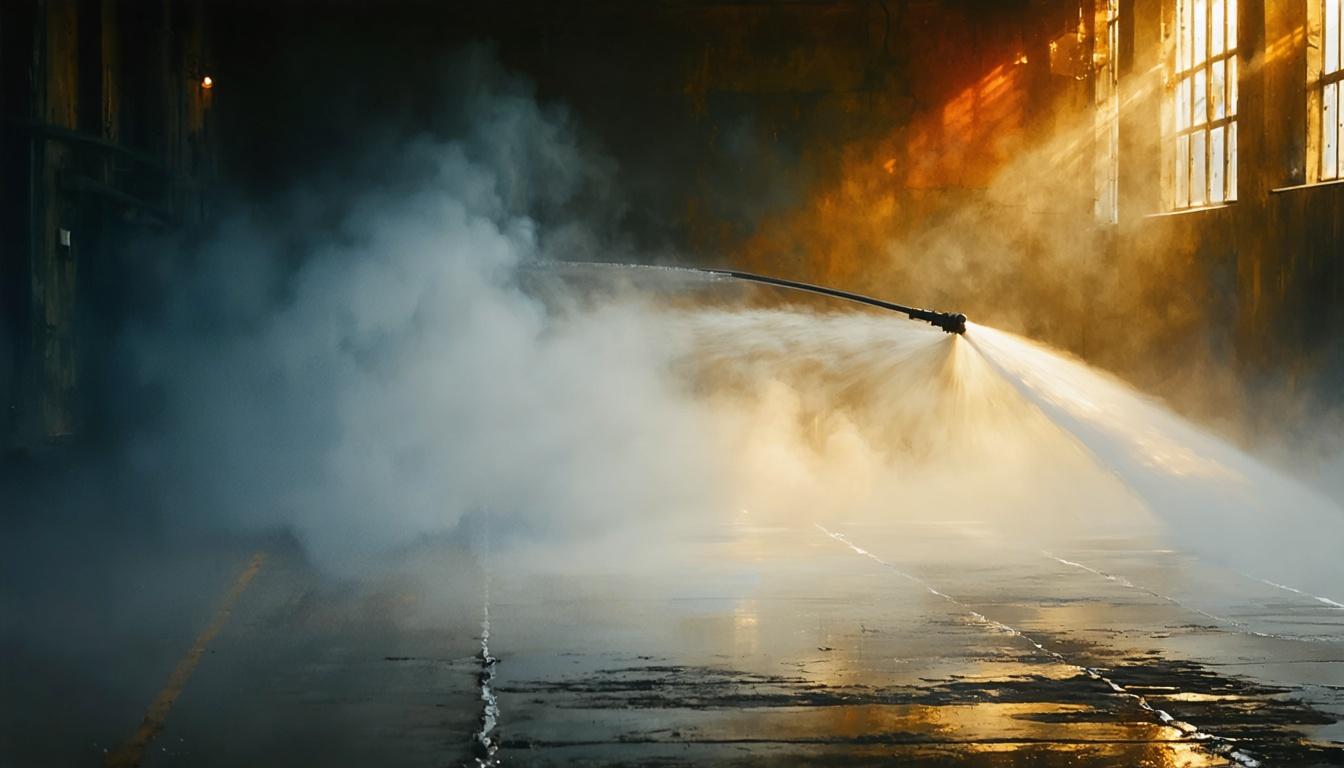
*this image is generated using AI for illustrative purposes only.
TOMI Environmental Solutions, Inc. reported accelerating adoption of its SteraMist platform on June 23, 2026, as healthcare providers, emergency response agencies, and public health organizations increase spending on biosecurity preparedness. The company attributes the rising commercial demand to a growing number of pathogen outbreaks, including Ebola, measles, and norovirus, which have reinforced the necessity for permanent operational readiness rather than temporary responses. Governments and healthcare systems are investing heavily in preparedness programs to improve response capabilities before future outbreaks occur, creating a significant long-term opportunity for advanced decontamination technologies.
Deployments of SteraMist have expanded internationally, with an established partner broadening usage across emergency medical transport and healthcare facilities to support high-consequence pathogen readiness. In the United States, healthcare systems and federally supported preparedness programs are increasing adoption to strengthen environmental decontamination protocols. The company believes that scalable environmental disinfection solutions are becoming an increasingly important component of operational readiness for critical infrastructure operators and transportation networks.
"We continue to see growing recognition that preparedness cannot begin after an outbreak occurs," said Dr. Halden Shane, CEO of TOMI Environmental Solutions. "Organizations are investing ahead of potential threats, and they are looking for proven technologies that can be deployed rapidly, effectively, and at scale. We believe SteraMist is uniquely positioned to address that need."
Market Drivers and Financial Impact
The global infection prevention and decontamination market is expanding due to increasing awareness of healthcare-associated infections (HAIs), emerging pathogen risks, and stricter regulatory requirements. In the United States alone, HAIs impact approximately one in twenty-five hospital patients and are estimated to contribute tens of billions of dollars annually in healthcare costs. TOMI expects these industry trends to continue supporting commercial momentum throughout 2026 and beyond.
Future Technological Integration
Looking ahead, TOMI sees opportunities to expand deployment through automation, robotics, and emerging autonomous delivery systems. These technologies aim to enhance large-scale decontamination capabilities in hospitals, transportation hubs, public facilities, and emergency response scenarios. The company emphasizes that the ability to disinfect at scale will become increasingly important for protecting large facilities and complex environments quickly and efficiently.

How will TOMI's integration of automation and robotics impact the operational costs and scalability of the SteraMist platform?
What specific regulatory changes are expected to further drive demand for infection prevention technologies in the healthcare sector?
How might the increasing competition in the biosecurity market affect TOMI's market share and pricing strategy?
 15
15





 Access Market Heat-map & Insights
  Create, Save & Share your Screener
  Use 200+ Screening Filters





