

Tesla weighs $10.1 billion solar plant in Texas for 2029


Tesla plans a $10.1 billion solar plant in Texas, creating nearly 10,000 jobs by 2029. The vertical integration strategy follows earlier equipment purchase talks. Shares dipped slightly amid the announcement.


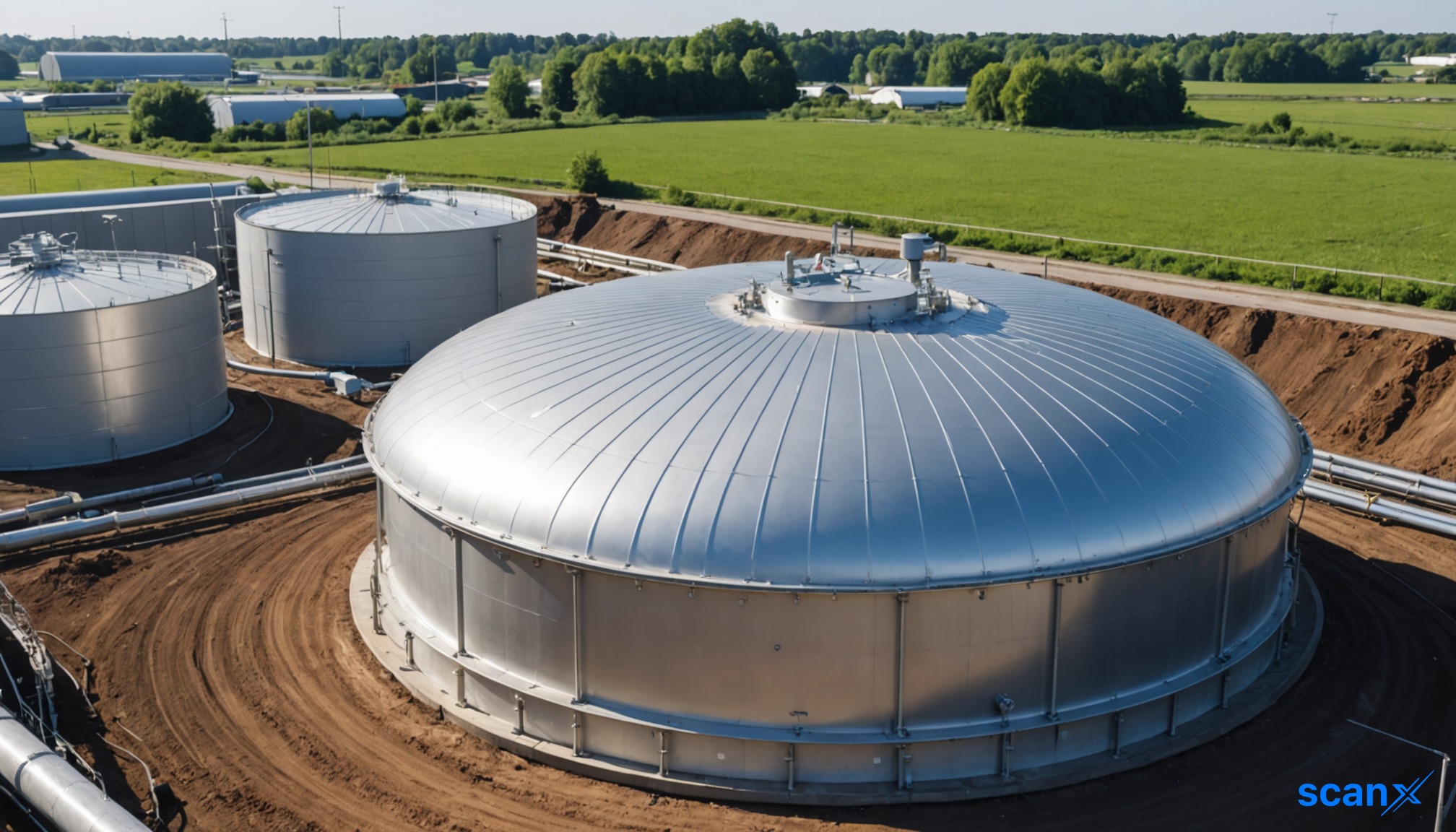
*this image is generated using AI for illustrative purposes only.
Tesla Inc. is weighing a $10.1 billion investment in a vertically integrated solar cell manufacturing facility in Fort Bend County, Texas. The project, designated as 'Project Crystal Sun,' seeks to consolidate the entire solar production chain—from ingot and wafer manufacturing to module assembly—on a single 3,050-acre site near Richmond.
The automaker filed a tax incentive application with the state, seeking a 10-year property tax limitation from the Lamar Consolidated Independent School District. While Texas is the primary focus, the filing indicates Tesla is also evaluating potential sites outside the state.
Operational Scope and Timeline
If approved and constructed as planned, the facility is expected to create 9,712 permanent jobs and 1,147 peak construction positions. Commercial operations are targeted for the first quarter of 2029.
This expansion builds on Tesla’s existing solar business, which currently produces panels at a limited assembly facility in Buffalo, New York. Earlier this year, reports indicated Tesla was in discussions with Chinese suppliers to acquire $2.9 billion worth of solar manufacturing equipment.
Market Reaction and Context
Venture capitalist Chamath Palihapitiya characterized the move as a strategic bet on nuclear power, noting that solar energy derives from the sun, which he described as a distant nuclear reactor. Palihapitiya has previously advocated for a merger between Tesla and Space Exploration Technologies Corp. (SpaceX), citing industrial logic in combining their capital structures.
Tesla’s shares fell 1.59% on Wednesday to close at $327.51, with a further 0.16% decline in extended trading. This development follows last week’s groundbreaking for Terafab, a chip manufacturing facility in nearby Grimes County, Texas, expected to become the world’s largest building by floor area upon completion.
What the Numbers Show
The scale of the proposed $10.1 billion investment significantly exceeds the reported $2.9 billion value of equipment acquisitions discussed earlier this year. This divergence suggests the capital outlay covers not just machinery but substantial real estate, infrastructure, and operational setup costs for a fully integrated vertical supply chain, rather than simple capacity expansion.

How will Tesla's vertical integration strategy in solar manufacturing impact its ability to compete on cost against established Chinese solar panel producers?
What are the potential regulatory or logistical hurdles Tesla might face in sourcing raw materials for ingot and wafer production within the United States?
Could the simultaneous expansion into solar and semiconductor manufacturing in Texas signal a broader shift in Tesla's capital allocation away from electric vehicle production?
 16
16




 Create Custom Screeners
  Access 200+ Pre-built Filters
  Use 50+ Readymade Screener





