

Tesla starts Megapack 3 production; SpaceX to use 75% of Terafab AI


Tesla begins production at its 50 GWh-capacity Megapack 3 plant in Texas. Elon Musk reveals SpaceX will consume 75% of Terafab AI compute, while Tesla participates in a $3,500 California EV incentive program.


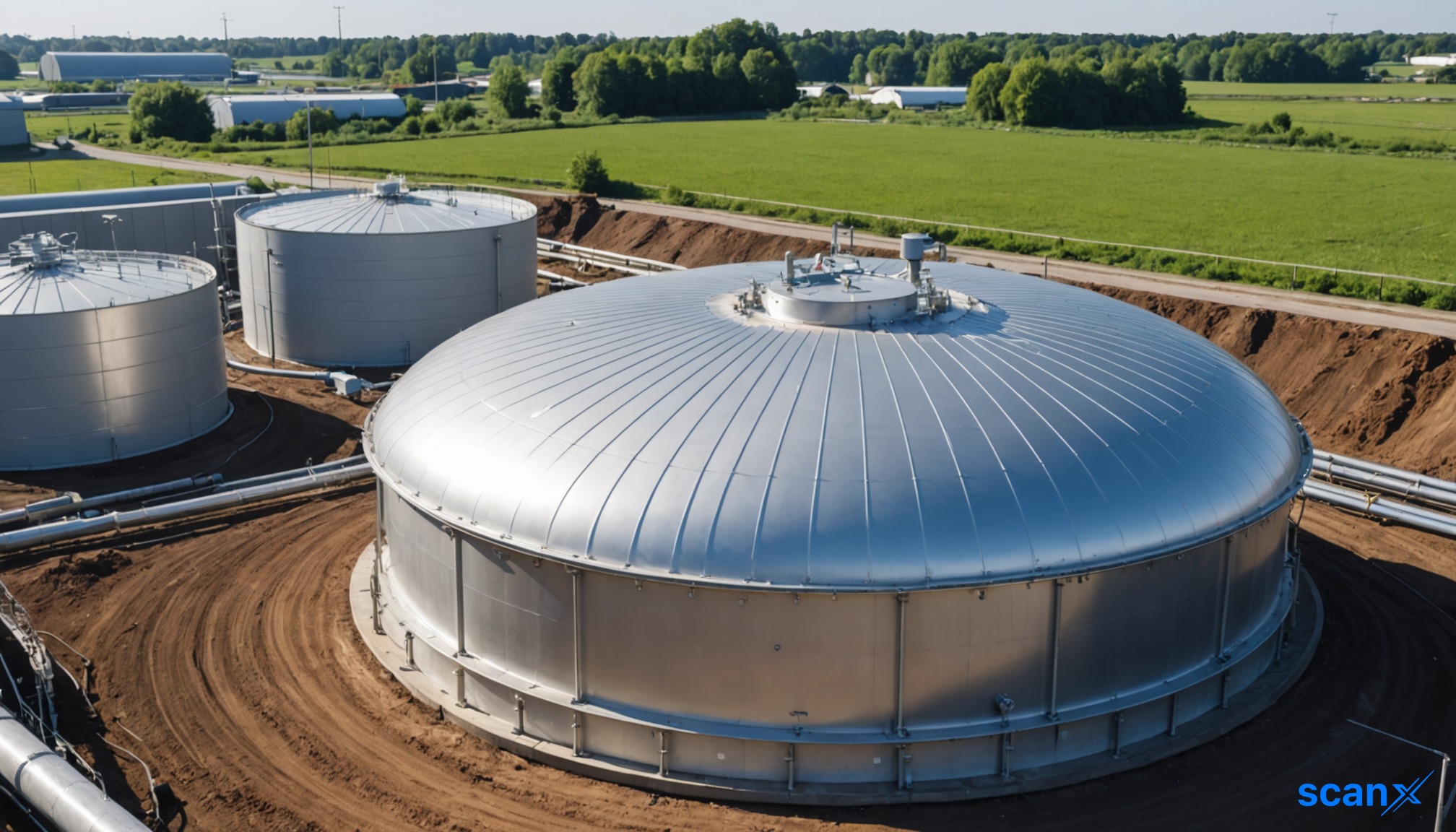
*this image is generated using AI for illustrative purposes only.
Tesla Inc (NASDAQ: TSLA) has begun operations at its new energy storage facility in Brookshire, Texas, marking a significant expansion in its non-automotive revenue streams. The plant, which started production 16 months after groundbreaking, is designed to manufacture 50 gigawatt-hours of Megapack 3 capacity annually. This operational milestone coincides with broader developments in Tesla's artificial intelligence infrastructure and policy landscape, including a major allocation of compute resources toward SpaceX and participation in a California state incentive program.
Energy Storage Expansion
The Brookshire facility addresses growing demand from utilities, renewable-energy developers, and data centers for batteries capable of storing power and releasing it during peak demand periods. The commencement of operations signals Tesla's ability to scale its energy storage division independently of its vehicle manufacturing cycles. The 50 gigawatt-hour annual capacity is specifically dedicated to the Megapack 3 product line, reinforcing Tesla's position in the grid-scale storage market.
AI Compute Allocation
Elon Musk provided details on the distribution of artificial intelligence compute resources from the upcoming Terafab semiconductor facility. Responding on X, Musk estimated that 75% of the facility's output would be utilized for SpaceX's AI spacecraft, while 25% would be allocated to Tesla's Optimus robot project. Musk noted that the facility is expected to create over 3,000 jobs in Texas during phase 1 of a planned 10-phase rollout. This allocation highlights a strategic prioritization of aerospace AI capabilities over terrestrial robotics in the near term.
Compute Distribution Breakdown
| Entity | Allocation Percentage | Primary Application |
|---|---|---|
| SpaceX | 75% | AI spacecraft |
| Tesla | 25% | Optimus robot |
Policy and Incentives
Tesla confirmed its participation in a limited-run electric vehicle incentive program in California. Eligible buyers may qualify for a $3,500 incentive on new inventory purchases of Model 3 and Model Y vehicles. To qualify, vehicles must be registered and delivered within California. This state-level incentive operates separately from federal policies, following President Donald Trump's administration ending the $7,500 federal tax credit for EVs upon his second term inauguration.
Autonomous Driving Strategy
Tesla AI Chief Ashok Elluswamy outlined the company's approach to Full Self-Driving (FSD) development, emphasizing smarter learning of users' implied preferences rather than relying on user overrides. Elluswamy described features like Max Speed control as an "anti-pattern," aligning with feedback from enthusiasts such as David Moss, who advocated against such controls on future AI3 or AI4 vehicles. This strategy suggests a shift toward more adaptive autonomous systems that internalize driving styles without manual intervention.
What the Numbers Show
The divergence in resource allocation between Tesla's automotive/robotics division and SpaceX indicates a capital-intensive focus on aerospace AI. With three-quarters of the Terafab output directed to SpaceX, the immediate growth driver for Musk's AI ambitions appears to be orbital rather than terrestrial. Simultaneously, the activation of the 50 GWh Megapack 3 capacity provides a tangible near-term revenue stream from energy storage, diversifying Tesla's earnings beyond vehicle sales amid shifting federal EV incentives.

How will the prioritization of 75% of Terafab compute resources for SpaceX impact the projected timeline for Tesla's Optimus robot commercialization?
What is the potential long-term revenue contribution of the new 50 GWh Megapack 3 capacity to Tesla's overall earnings as federal EV incentives phase out?
Could the shift toward adaptive FSD systems that eliminate manual overrides like Max Speed control face regulatory hurdles in safety-conscious markets?
 18
18




 Access Market Heat-map & Insights
  Create, Save & Share your Screener
  Use 200+ Screening Filters





