

Tenneco Clean Air reports record FY26 EBITDA margin of 18.8%


Tenneco Clean Air India Limited announced record financial results for FY26, achieving an EBITDA margin of 18.8% on value added revenue of INR49,180 million. The company reported a 9.3% increase in profit after tax to INR6,044 million and maintained a debt-free balance sheet with a net debt-to-equity of negative 0.4. Strategic highlights include the adoption of the DCx DaVinci suspension system and a new capex plan of INR1,400 million for facilities in West and North India.


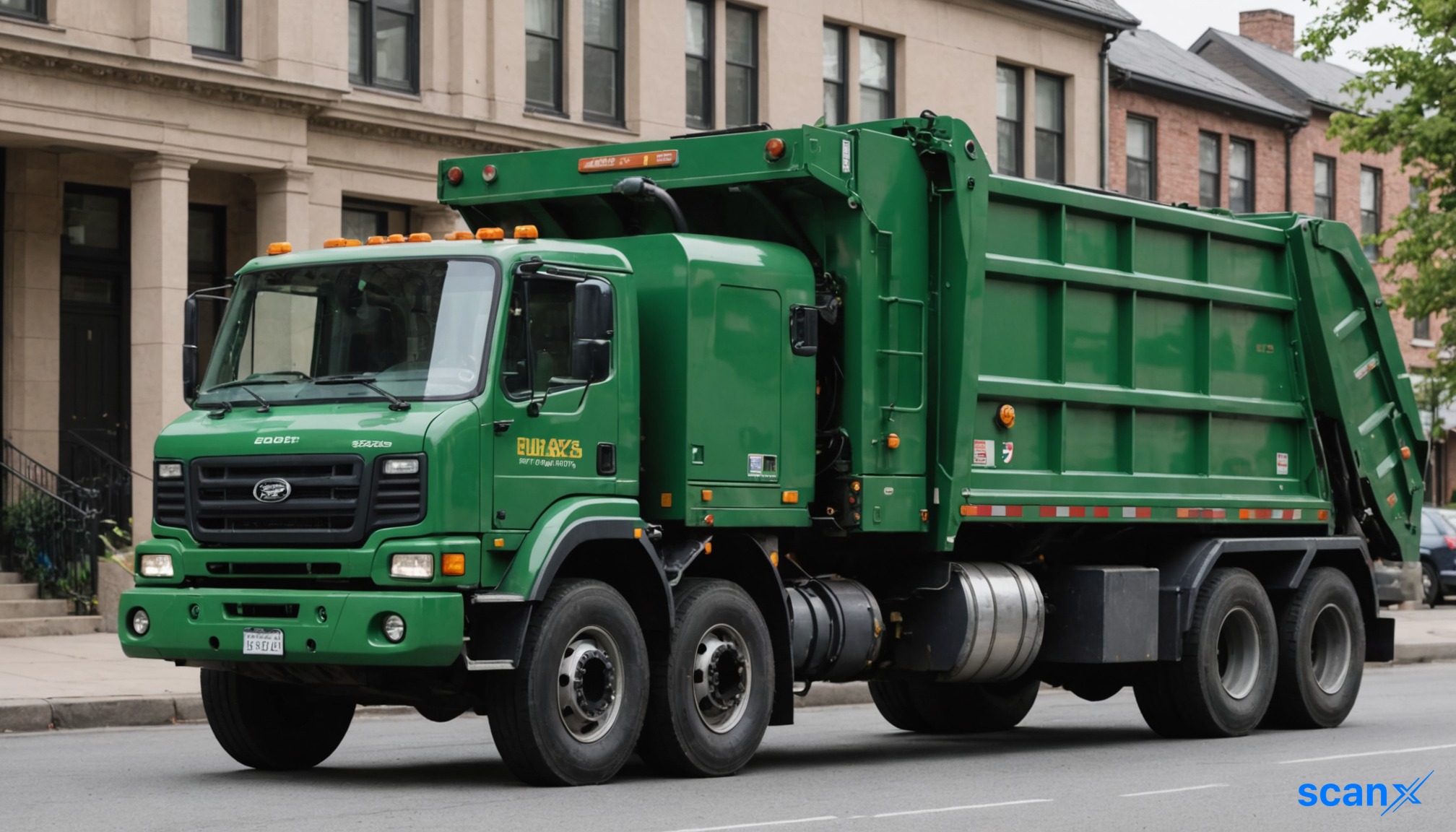
*this image is generated using AI for illustrative purposes only.
Tenneco Clean Air India Limited reported its financial results for the quarter and fiscal year ended March 31, 2026, highlighting record profitability and a debt-free balance sheet. The company achieved its highest ever EBITDA margin of 18.8% for the full year, supported by a 12.3% year-over-year growth in value added revenue to INR49,180 million. The earnings were reviewed during a conference call held on June 3, 2026.
The disclosure was made pursuant to Regulation 30 of the Securities and Exchange Board of India (Listing Obligations and Disclosure Requirements) Regulations, 2015. The company confirmed that the discussions were based solely on publicly available information, with no Unpublished Price Sensitive Information (UPSI) shared during the proceedings.
For the fourth quarter, value added revenue grew 17.5% year-over-year to INR14,058 million, while EBITDA increased 17.6% to INR2,573 million with an EBITDA margin of 18.3%. Profit after tax for the quarter stood at INR1,668 million, up 18.8% year-over-year, with a PAT margin of 11.9%. The strong performance was attributed to sustained traction across both business segments and timely commercial actions mitigating geopolitical cost pressures.
| Metric | Q4 FY26 | FY26 |
|---|---|---|
| Value Added Revenue (INR million) | 14,058 | 49,180 |
| EBITDA (INR million) | 2,573 | 9,255 |
| EBITDA Margin (%) | 18.3 | 18.8 |
| Profit After Tax (INR million) | 1,668 | 6,044 |
On a full-year basis, revenue from operations grew 10.5% to INR54,040 million. Profit after tax for the year increased 9.3% to INR6,044 million with a margin of 12.3%. The company reported a significant improvement in capital efficiency, with Return on Capital Employed (ROCE) rising to 94% from 57% in the previous year. Fixed assets turnover improved to 9.6 times, and the cash conversion cycle remained strong at negative 23 days.
The company maintained a robust financial position, ending the year as a debt-free entity with a net debt-to-equity of negative 0.4. It generated cash flow equivalent to 58% of EBITDA after investing INR1,150 million in capital expenditure during the year. The lifetime order book stood at INR124,000 million as of March 31, 2026, providing visibility for the FY28 revenue target.
Strategic developments included the adoption of the DCx DaVinci suspension system by a leading Indian OEM and a strategic entry into the bearings systems business with a leading Japanese passenger vehicle OEM. The company also announced a new greenfield Advanced Ride Technologies plant in West India, alongside a previously announced Clean Air facility in North India, with a total announced capex of approximately INR1,400 million.
Roopali Singh, Company Secretary and Compliance Officer, confirmed the release of the transcript. The conference call included presentations from senior management, including Arvind Chandrasekharan, Whole Time Director & Chief Executive Officer, and Mahender Chhabra, Chief Financial Officer.
Historical Stock Returns for Tenneco Clean Air
| 1 Day | 5 Days | 1 Month | 6 Months | 1 Year | 5 Years |
|---|---|---|---|---|---|
| -0.89% | -2.62% | -11.00% | -20.14% | -6.99% | -6.99% |

How does the company plan to utilize its debt-free status and strong cash generation to fund future growth or shareholder returns?
What are the specific revenue targets for FY28, and how much of the INR124,000 million order book is expected to contribute to that goal?
Will the significant increase in ROCE to 94% be sustainable as the company ramps up capital expenditure for new greenfield facilities?
 15
15






 Create Custom Screeners
  Access 200+ Pre-built Filters
  Use 50+ Readymade Screener





