

Tata Power scales renewable portfolio to 12.3 GW with 100 MW commissioning


- Tata Power Renewable Energy Limited commissioned a 100 MW solar project in Tamil Nadu
- Total utility portfolio scales to 12.3 GW, surpassing 7 GW operational capacity milestone
- Project uses first-of-its-kind FTC Single Axis Tracker technology in India for Tata
- Annual generation of 240.63 MUs offsets 1.5 lakh tonnes of CO2 emissions
- Additional 5.3 GW pipeline includes 2.2 GW solar and 3.1 GW wind projects



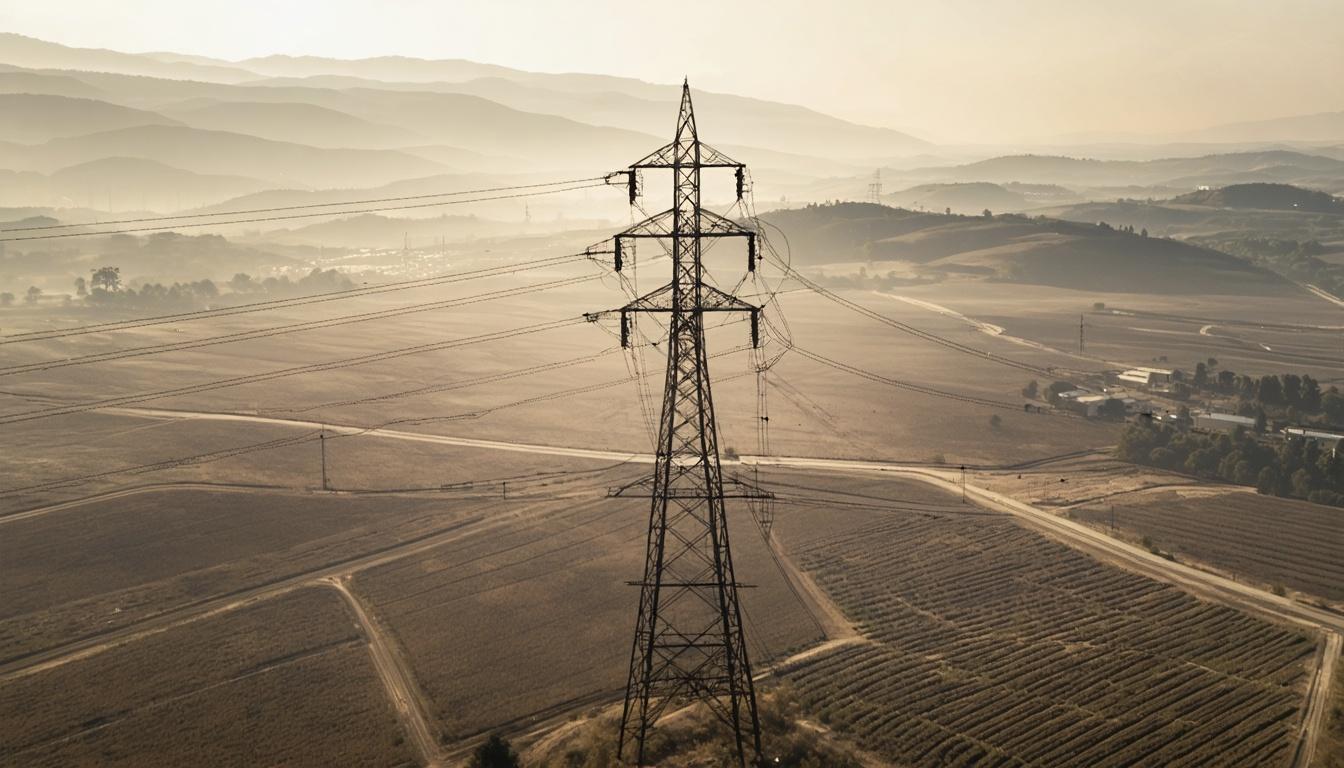
*this image is generated using AI for illustrative purposes only.
Tata Power Renewable Energy Limited (TPREL) has commissioned a 100 MW group captive solar project in Tamil Nadu, expanding its total utility portfolio to 12.3 GW. The facility, located in Kayathar, marks the company’s surpassing of the 7 GW operational capacity milestone.
The project, designated TNGC-2, is situated in Vellalankottai and Nalandhula villages. It represents a significant step in the Tata Group’s decarbonisation strategy, supplying clean power directly to three key subsidiaries. This expansion reinforces TPREL’s position as a major player in India’s clean energy transition.
Project Specifications and Technology
The Kayathar project is engineered with India’s first deployment of Flexible Terrain Compatible (FTC) Single Axis Tracker technology for a Tata project. This innovation aims to maximise energy generation across varying terrain conditions while improving operational efficiency.
Key technical specifications include:
- Modules: 261,660 Mono PERC bifacial solar modules
- Technology: FTC Single Axis Tracker
- Grid Connection: Transmission via Kayathar 400 kV Grid Substation (GSS)
- Annual Generation: 240.63 million units (MUs)
- Carbon Offset: Approximately 1.5 lakh tonnes of CO2 emissions per annum
Energy Distribution Among Beneficiaries
The power generated will be allocated among three Tata Group entities, supporting their specific operational needs. The distribution reflects the varying energy demands of manufacturing, electronics, and real estate sectors within the group.
| Beneficiary | Capacity Allocation (MW) | Primary Business Focus |
|---|---|---|
| Tata Electronics Private Limited | 53.125 | Semiconductors, precision engineering |
| TP Solar Limited | 40.625 | Solar cell and module manufacturing |
| Tata Realty And Infrastructure Limited | 6.25 | Real estate and infrastructure development |
Portfolio Growth and Pipeline
With this commissioning, TPREL’s operational capacity now exceeds 7 GW. The existing portfolio comprises more than 5.7 GW of solar assets and 1.3 GW of wind energy assets. This mix highlights the company’s diversified approach to renewable generation.
What the Numbers Show
The composition of the operational portfolio reveals a heavy reliance on solar energy, which accounts for approximately 81% of the 7 GW operational capacity (5.7 GW solar vs 1.3 GW wind). While wind provides diversification, the current operational base is predominantly solar-driven. This concentration aligns with the broader pipeline strategy, where solar also constitutes a larger share (2.2 GW) compared to wind (3.1 GW) in the upcoming additions, though the gap narrows significantly in the development stage.
Future Expansion Plans
TPREL has an additional 5.3 GW under various stages of development. This pipeline includes:
- 2.2 GW of solar projects
- 3.1 GW of wind projects
These assets are slated for phased commissioning over the next 6 to 24 months. The addition of significant wind capacity in the pipeline suggests a strategic move to balance the currently solar-heavy operational portfolio in the medium term.
This expansion supports India’s target of achieving 500 GW of non-fossil fuel capacity by 2030. Tata Power continues to leverage its expertise in large-scale renewable assets, including utility-scale solar, floating solar, and Battery Energy Storage System (BESS) projects.
Historical Stock Returns for Tata Power
| 1 Day | 5 Days | 1 Month | 6 Months | 1 Year | 5 Years |
|---|---|---|---|---|---|
| -1.50% | +0.85% | -2.90% | -6.07% | -8.10% | +153.01% |

How will the deployment of Flexible Terrain Compatible (FTC) Single Axis Tracker technology impact TPREL's levelized cost of energy (LCOE) compared to traditional fixed-tilt systems in future projects?
What specific regulatory or grid integration challenges might arise as TPREL commissions the 3.1 GW of wind projects currently in its pipeline to balance its solar-heavy operational portfolio?
How does the allocation of 53.125 MW to Tata Electronics support India's semiconductor self-reliance goals, and what are the implications for power reliability requirements in precision manufacturing?
 19
19












 Access Market Heat-map & Insights
  Create, Save & Share your Screener
  Use 200+ Screening Filters





