

Tata Power advances 2.8 GW data centre opportunity pipeline


- Total data centre opportunity pipeline exceeds 2.8 GW across 18 players
- Transmission-linked opportunities account for 1,236 MW of the pipeline
- Company engages in 29 active workstreams spanning renewable and T&D solutions
- Mumbai grid upgrades include a 400 kV transmission ring network

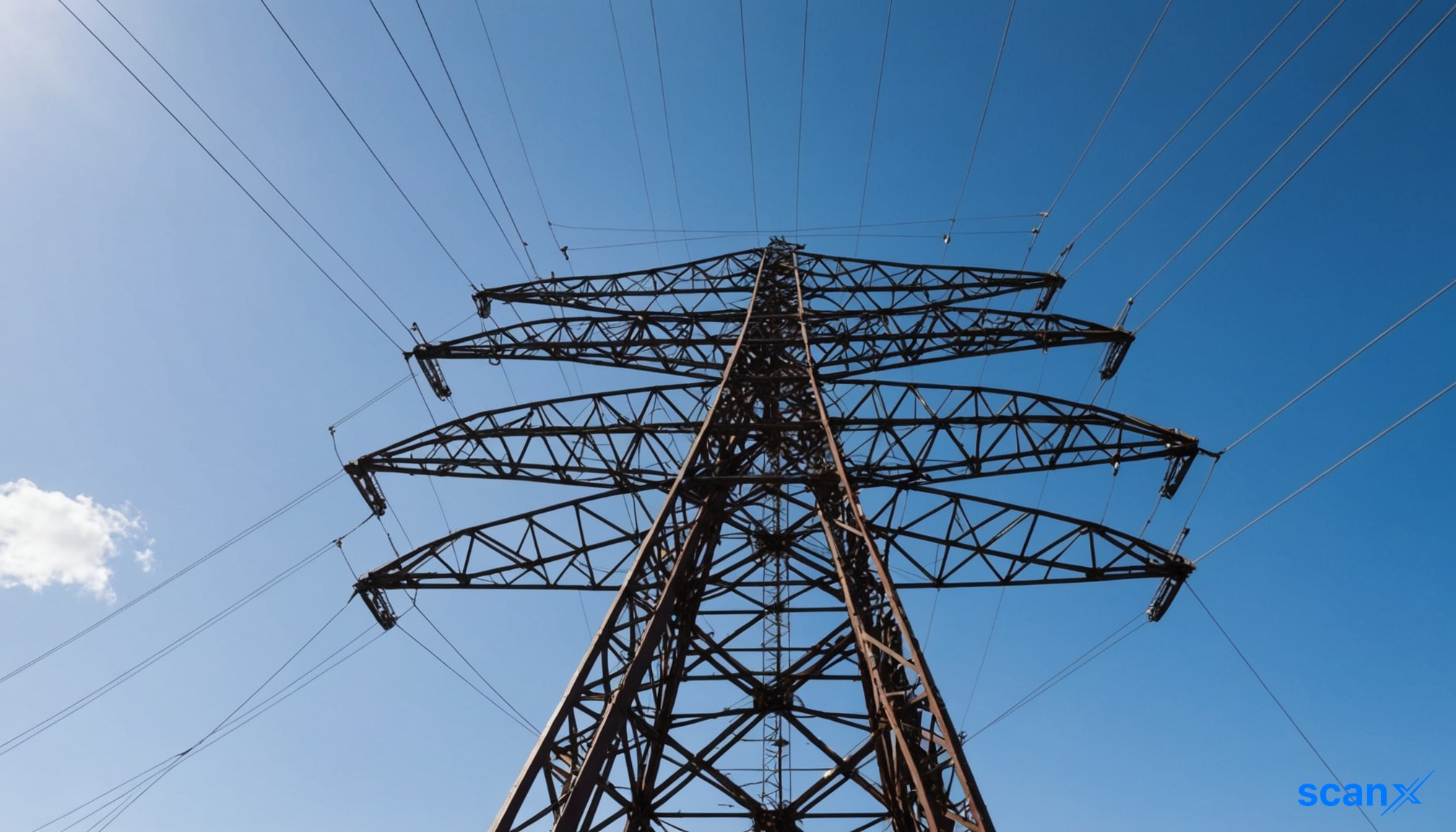

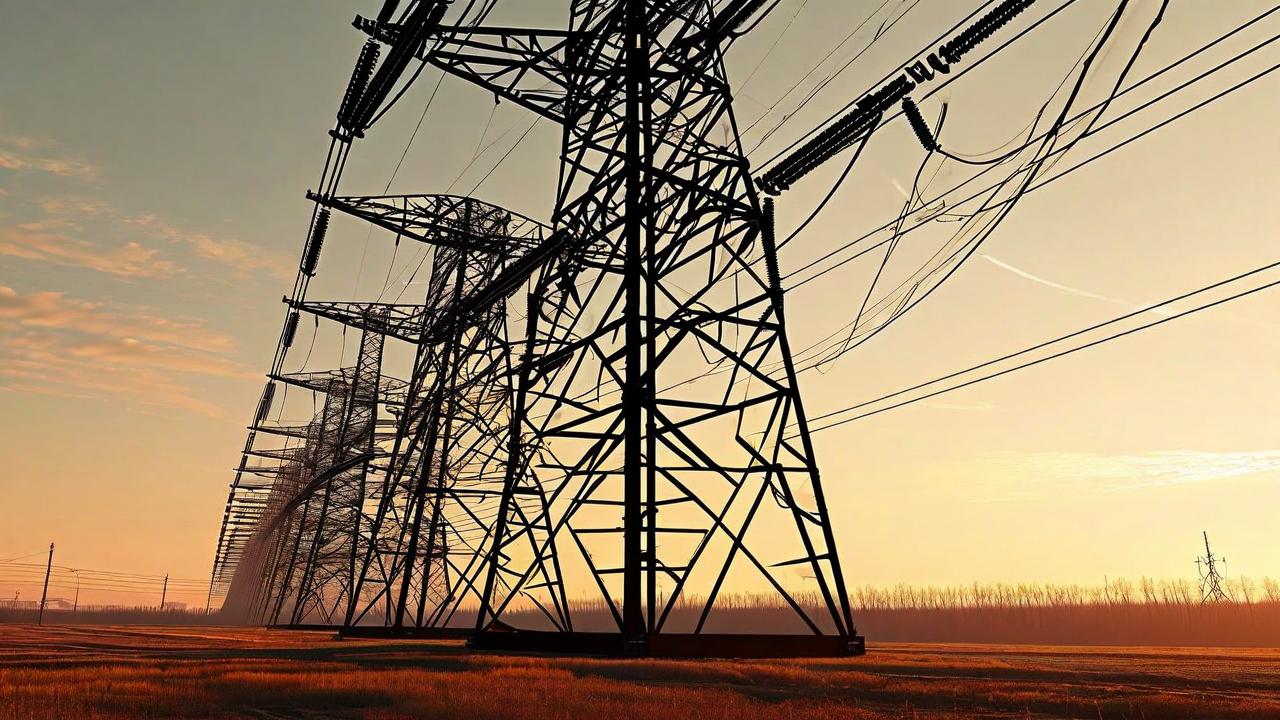
*this image is generated using AI for illustrative purposes only.
The Tata Power Company Limited has announced a diversified opportunity pipeline exceeding 2.8 GW within the data centre sector, engaging with 18 leading global and domestic operators.
This development positions the integrated power company as a key partner for India's expanding AI and digital infrastructure ecosystem. The company is actively managing 29 workstreams that span renewable energy, transmission, and distribution solutions to meet the rising power demands of hyperscalers.
Pipeline composition and strategic focus
The company's pipeline is segmented into three primary categories, reflecting its vertically integrated capabilities across the power value chain. Tata Power is leveraging its presence in generation, transmission, and distribution to offer comprehensive solutions including powered land, grid connectivity, and energy storage.
| Segment | Capacity (MW) | Nature of Opportunity |
|---|---|---|
| Distribution Network | 430 | Upcoming load under existing network |
| Transmission | 1,236 | Transmission-linked opportunities |
| Green Energy | 1,150 | Renewable capacity under active engagement |
| Total Pipeline | ~2,816 | Across 18 Data Centre Operators |
Infrastructure upgrades in Mumbai Metropolitan Region
To address the specific power requirements of hyperscale facilities in the Mumbai Metropolitan Region (MMR), Tata Power is executing significant upgrades to its transmission infrastructure. The initiative involves the upgradation of the 110 kV and 220 kV networks, alongside the augmentation of transformation and transmission capacities.
Key infrastructure projects include:
- Development of new receiving stations
- Advancement of a 400 kV transmission ring network
- Implementation of robust network redundancy
These enhancements are part of the broader ₹15,000 crore Mumbai Grid Upgradation and Expansion Plan, designed to ensure reliable and uninterrupted power supply for large-scale digital projects.
What the Numbers Show
The distribution of the 2.8 GW pipeline reveals a strategic emphasis on transmission-linked opportunities, which constitute approximately 44% of the total identified capacity (1,236 MW out of ~2,816 MW). This exceeds the combined share of green energy (1,150 MW) and distribution load (430 MW). This weighting suggests that Tata Power's competitive advantage in this sector currently relies heavily on its transmission assets and grid connectivity capabilities rather than solely on generation or last-mile distribution, aligning with the critical bottleneck of grid access for new data centres.
Historical Stock Returns for Tata Power
| 1 Day | 5 Days | 1 Month | 6 Months | 1 Year | 5 Years |
|---|---|---|---|---|---|
| +1.61% | -0.31% | -3.87% | -14.41% | -10.38% | +56.36% |

How will the ₹15,000 crore Mumbai grid upgrade timeline align with the projected commissioning dates of the 2.8 GW data centre pipeline?
What specific regulatory or tariff mechanisms are expected to emerge as Tata Power transitions from traditional utility models to integrated hyperscaler energy partnerships?
Given that transmission accounts for 44% of the pipeline, how might this asset-heavy focus impact Tata Power's return on capital employed compared to its generation-focused segments?
 17
17










 Access 50+ Readymade Screeners
  Use 200+ Custom Filters
  Get Full Market Insights





