

Targa Resources Q2 Results: Adjusted EBITDA rises 38% YoY to $1.603 billion


- Adjusted EBITDA rose 38% YoY to $1.603 billion, driven by record Permian volumes and marketing gains
- Full-year 2026 adjusted EBITDA guidance raised to top end of $5.7 billion to $5.9 billion range
- Dividend increased 25% YoY to $1.25 per share; $80 million in stock repurchased during the quarter
- Record LPG export loadings of 14.8 million barrels per month supported by global demand shifts
- Major projects including Speedway pipeline and LPG export expansion remain on track for Q3 2027 completion

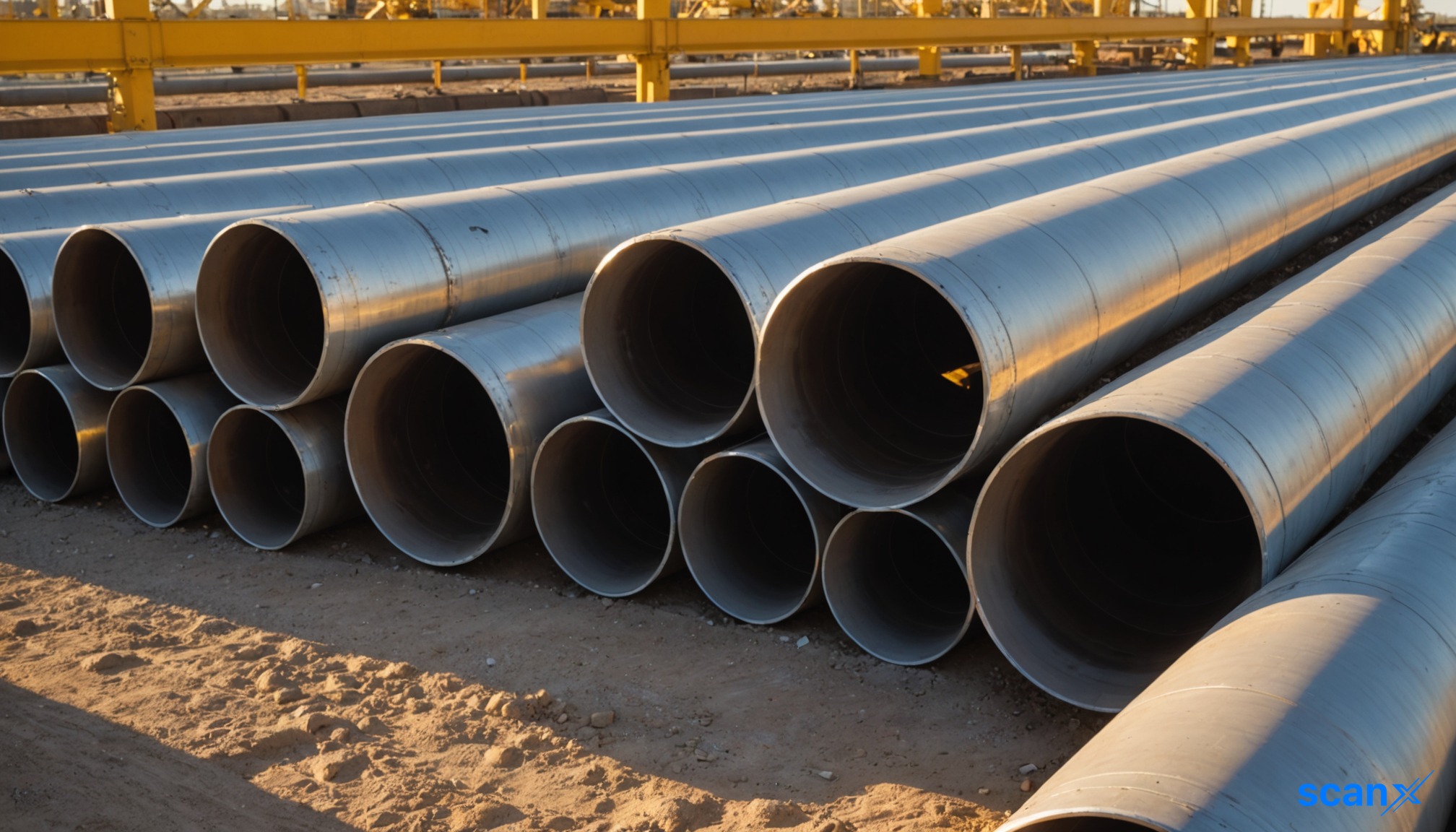

*this image is generated using AI for illustrative purposes only.
Targa Resources Corporation reported adjusted EBITDA of $1.603 billion for the second quarter, marking a 38% year-over-year increase and a 14% rise from the first quarter. The surge was driven by record volumes in the Permian Basin and significant contributions from marketing optimization opportunities.
The company now expects full-year 2026 adjusted EBITDA to reach the top end of its guidance range of $5.7 billion to $5.9 billion. This projection implies nearly $1 billion in growth over 2025, supported by robust producer activity and improved natural gas takeaway capacity.
Operational Highlights
Permian gathering and processing volumes reached a record 7.2 billion cubic feet per day, up 7% from the previous quarter and 14% from the prior year. Despite weather-related challenges and gas pricing constraints in the first half, the company added 450 million cubic feet per day of volume quarter-over-quarter.
Downstream systems also achieved record throughput levels:
- NGL transportation volumes hit 1.1 million barrels per day.
- Fractionation volumes reached 1.2 million barrels per day.
- LPG export loadings averaged a record 14.8 million barrels per month, aided by increased global demand for U.S. hydrocarbons.
Financial Performance and Capital Allocation
The company’s financial strength allowed for continued shareholder returns alongside heavy capital investment. Targa declared a second-quarter common dividend of $1.25 per share, a 25% increase compared to the same period in 2025. Additionally, the company repurchased approximately $80 million in common stock at an average price of $259.93 per share.
| Metric | Q2 Value | Change / Note |
|---|---|---|
| Adjusted EBITDA | $1.603 billion | +38% YoY, +14% QoQ |
| Permian Volumes | 7.2 Bcf/d | +14% YoY |
| Dividend Per Share | $1.25 | +25% YoY |
| Available Liquidity | $3.2 billion | Pro forma leverage 3.4x |
| Net Growth Capital | ~$4.5 billion | Estimated for full-year 2026 |
Strategic Projects and Outlook
Management emphasized that major infrastructure projects remain on track to support future growth. The Speedway NGL transportation system expansion and the LPG export capacity increase to 19 million barrels per month are both scheduled for completion in the third quarter of 2027.
In the Permian, five new gas processing plants are currently under construction, with two more recently brought online ahead of schedule in the Midland Basin. The company is evaluating the timing for its next Midland processing plant as it seeks to capitalize on sustained producer activity.
What the Numbers Show
A key divergence in the quarter’s results highlights the impact of market volatility on earnings quality. While operational volumes drove a 14% sequential increase in adjusted EBITDA, management disclosed that approximately $250 million of the first-half performance stemmed from marketing optimization opportunities not included in initial guidance. This suggests that underlying volume growth alone may not fully account for the beat against expectations, with non-recurring marketing gains playing a material role in the current quarter’s outperformance.

How will the potential non-recurring nature of the $250 million in marketing optimization gains impact Targa's ability to sustain EBITDA growth into the second half of 2026?
What specific regulatory or supply chain risks could delay the completion of the Speedway NGL expansion and LPG export capacity projects scheduled for Q3 2027?
How might sustained high natural gas takeaway capacity and record Permian volumes influence future midstream infrastructure capital expenditure trends across the sector?









 Create Custom Screeners
  Access 200+ Pre-built Filters
  Use 50+ Readymade Screener





