
 NewsSupreme Industries Q4 FY26 Earnings Call: Volume Growth of 12%, Operating Profit Up 7%, Guides 15%-17% Piping Growth for FY27
Supreme Industries Q4 FY26 Earnings Call: Volume Growth of 12%, Operating Profit Up 7%, Guides 15%-17% Piping Growth for FY27


Supreme Industries reported FY26 revenue from operations of ₹11,218 crore on volumes of 753907 MT, reflecting growth of approximately 7% and 12% respectively over the prior year. Consolidated operating profit rose 7% to ₹1,654 crore, while profit after tax declined marginally by 1% to ₹954 crore. The Plastic Piping System segment led with 14% volume growth and CPVC volumes grew approximately 38%, even as the overall industry saw a 9% volume decline. Management guided for 15%-17% piping volume growth and 12%-13% overall volume growth for FY27, with EBITDA margins of 14%-14.5% and capital expenditure of approximately ₹1,000 crore planned for the year.


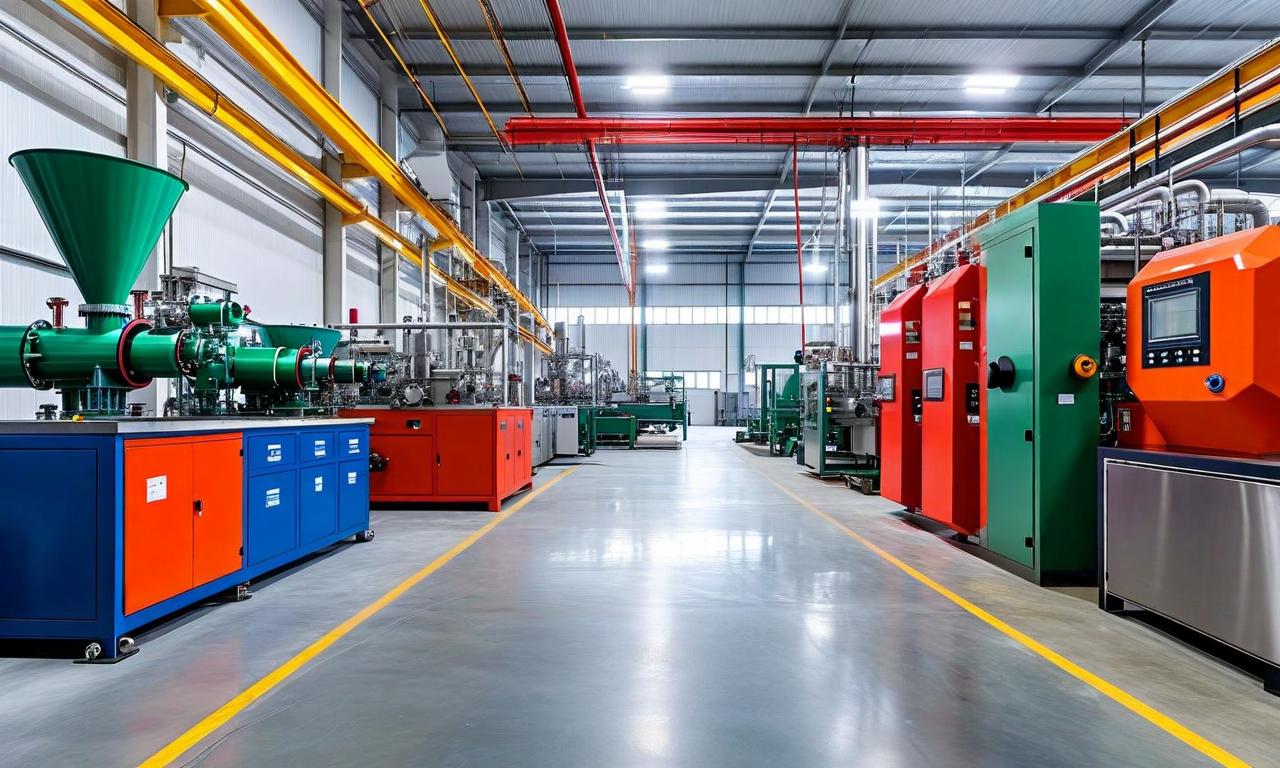
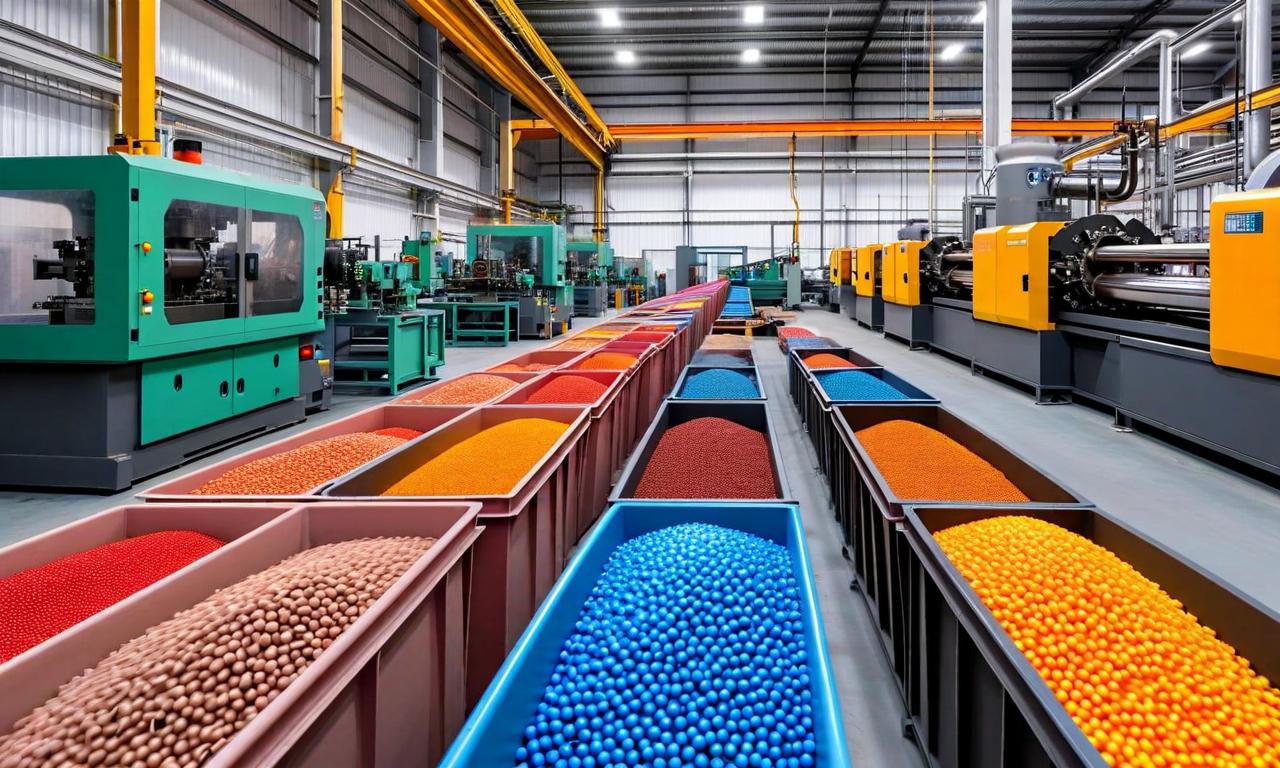
*this image is generated using AI for illustrative purposes only.
Supreme Industries held its Q4 FY26 earnings conference call on April 27, 2026, with Chairman and Managing Director M.P. Taparia, CFO P.C. Somani, and VP Corporate Affairs R.J. Saboo presenting audited standalone and consolidated financial results for the quarter and year ended March 31, 2026. The call was hosted by DAM Capital Advisors and moderated by Aasim Bharde.
FY26 Financial Performance
The company delivered broad-based growth across volumes and revenues for the full year, despite a challenging operating environment marked by PVC resin price volatility, prolonged unseasonal rainfall, subdued infrastructure spending, and global geopolitical uncertainties. The following table summarises key financial metrics:
| Metric: | FY26 | FY25 | Change |
|---|---|---|---|
| Sales Volume (MT): | 753907 | 674510 | ~12% growth |
| Revenue from Operations: | ₹11,218 crore | ₹10,446 crore | ~7% growth |
| Consolidated Operating Profit: | ₹1,654 crore | ₹1,552 crore | ~7% increase |
| Consolidated Profit After Tax: | ₹954 crore | ₹961 crore | ~1% decline |
| Value-Added Products Turnover: | ₹4,677 crore | ₹4,060 crore | ~15% growth |
Segment-Wise Performance
All four product segments recorded positive growth in both volume and value terms during FY26. The Plastic Piping System business was the standout performer, while the Industrial Products Segment saw relatively modest gains.
| Segment: | Volume Growth | Value Growth |
|---|---|---|
| Plastic Piping System: | 14% | 11% |
| Industrial Products: | 1% | 3% |
| Packaging Products: | 5% | 3% |
| Consumer Products: | 4% | 1% |
Within the Plastic Piping System business, CPVC pipes and fittings recorded volume growth of approximately 38% for the full year. Management noted that the Plastic Piping System industry in India witnessed a volume de-growth of 9% in FY26, making Supreme Industries' outperformance particularly notable. The company's market share in the overall piping segment was indicated at approximately 12%-13%.
Capital Expenditure and Capacity Expansion
Supreme Industries has committed capital expenditure of approximately ₹1,000 crore for the current year, including carry-forward commitments from the previous year. The planned capex is aimed at strengthening manufacturing capabilities, expanding capacity, enhancing product offerings, and advancing sustainability initiatives.
| Capex Parameter: | Details |
|---|---|
| Total Planned Capex: | ~₹1,000 crore |
| Capacity Addition Target: | ~1.10 lakh MT |
| Total Installed Capacity (Post Addition): | ~1.35 million MT per annum |
| Piping Sector Addition: | 1,00,000 MT |
| Material Handling System Addition: | 10,000 MT |
| Timeline: | By FY27 |
Total addition to assets in FY26 stood at ₹1,400 crore, including the Wavin acquisition. The company also purchased land near JNPT for a proposed packaging facility primarily targeting the export market, with further details to be disclosed once land possession is completed.
New Business Initiatives
The company's Windows & Doors division at Kanpur Dehat in Uttar Pradesh commenced production effective March 1, 2026. The product has been well received in the market, and at full capacity utilisation, the division is expected to generate annual revenues of approximately ₹200 crore to ₹250 crore, with margins expected to be better than company averages given the customised nature of the product. The division is currently available only in Uttar Pradesh and NCR, with a capacity of approximately 10,000 windows per month.
In the gas piping segment, Supreme Industries stated it is currently the only company supplying both pipes and electrofusion fittings required for carrying piped natural gas. Orders have been received from three to four gas companies, with additional orders under negotiation. The company also supplies aluminium composite pipes for above-ground natural gas applications.
The Wavin acquisition, completed in August, saw plants running normally from February 2026 onwards following a revamp period. Wavin contributed approximately 10,000 tons in Q4 FY26, and management guided for 48,000 to 50,000 tons annually from the Wavin plants in FY27. Total annual capacity from Wavin stands at 70,000 tons.
PVC Resin Prices and Raw Material Dynamics
PVC resin prices witnessed significant volatility during FY26. Management noted that prices rose by approximately ₹32 per kg in March before correcting by approximately ₹34 per kg between April 5 and April 21. Current PVC resin prices were indicated at approximately ₹81 per kg. Management attributed the price correction to increased supply from China, which manufactures PVC via a coal-based route and is not affected by Gulf region supply disruptions. India imports approximately 68% of its PVC resin requirement, with only 32% supplied domestically.
For Q4 FY26, management estimated a net inventory gain of approximately ₹70 crore to ₹80 crore, while noting that for the full year, inventory gains and losses broadly offset each other. For Q1 FY27, management indicated an inventory loss given the sharp price decline in April.
FY27 Outlook and Guidance
Management provided the following guidance for FY27:
- Overall volume growth: 12%-13%
- Plastic Piping System volume growth: 15%-17%
- EBITDA margins: 14%-14.5%
- Return on capital employed: In excess of 25% (consistent with the last 18 years)
- Industry-level piping growth (FY27): ~8% (as indicated by raw material producers)
Management also noted that the Jal Jeevan Mission (Nal Se Jal) spending remains uncertain, as central government fund releases are contingent on matching contributions from state governments. Over the past two years, against an announced budget of ₹67,000 crore, actual spending was approximately ₹22,000 crore each year. Agriculture segment demand was noted to have normalised following the PVC price correction, with strong demand pickup reported post-April 10. The company's export business in plastic piping currently stands at $5 million, with a stated ambition to grow this to $50 million.
Supreme Industries highlighted its zero-debt balance sheet, expanding manufacturing base across 45 systems and over 15,600 SKUs, and its five strategic pillars — Innovation, Smart Manufacturing, Strong Relationships with Channel Partners, Effective Customer Service, and Deeper Reach across the Country — as key enablers for sustained performance.
Historical Stock Returns for Supreme Industries
| 1 Day | 5 Days | 1 Month | 6 Months | 1 Year | 5 Years |
|---|---|---|---|---|---|
| +0.37% | +3.18% | +4.24% | -7.77% | -17.24% | +36.03% |

How might the anticipated Q1 FY27 inventory loss from the sharp PVC resin price decline impact Supreme Industries' ability to sustain its guided 14%-14.5% EBITDA margins for the full year?
With the Jal Jeevan Mission consistently disbursing only one-third of its announced budget, what alternative demand drivers could Supreme Industries rely on to achieve its 15%-17% piping volume growth target in FY27?
As Supreme Industries expands its gas piping business as the sole supplier of both pipes and electrofusion fittings, how could potential new entrants or policy changes in India's city gas distribution network affect its competitive positioning?
 17
17






 Create Custom Screeners
  Access 200+ Pre-built Filters
  Use 50+ Readymade Screener





