

Sunsky Logistics FY26 Results: Net profit rises 8.6% to ₹28.5 crore


- Net profit rose 8.6% YoY to ₹284.97 lakh for FY26
- Revenue from operations grew 14.7% to ₹2,527.67 lakh
- Company raised ₹1683.60 lakh via IPO in October 2025
- Proceeds utilized for fleet expansion and debt repayment
- Operating cash flow turned negative due to working capital buildup

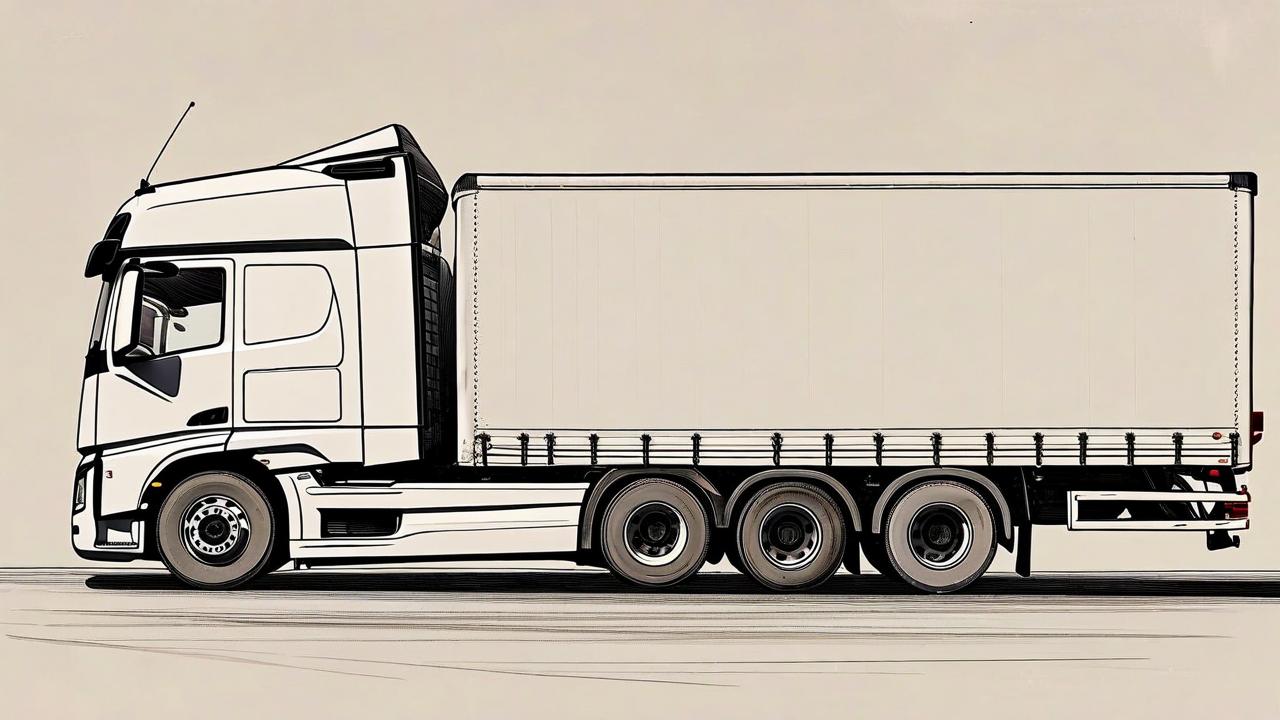

*this image is generated using AI for illustrative purposes only.
Sunsky Logistics reported a 14.6% year-on-year increase in net profit to ₹284.97 lakh for the fiscal year ended March 31, 2026. Revenue from operations grew 14.7% to ₹2,527.67 lakh, driven by expanded logistics services and fleet additions following its initial public offering.
The Ahmedabad-based logistics firm completed its IPO in October 2025, raising ₹1683.60 lakh through the issue of 36.60 lakh equity shares at ₹46 each. The company listed on the BSE SME Platform shortly after. Management allocated the majority of these proceeds toward purchasing flatbed trailers and repaying existing borrowings.
Financial Performance
Operating revenue rose from ₹2,204.37 lakh in FY25 to ₹2,527.67 lakh in FY26. This growth was supported by new road transportation services, which contributed ₹435.23 lakh in revenue during the current fiscal year. Integrated logistics services remained the core revenue driver, generating ₹2,092.44 lakh.
Total expenses increased to ₹2,219.64 lakh from ₹1,876.41 lakh in the previous year. Freight, handling, and servicing costs accounted for the largest share of expenditures at ₹1,763.97 lakh. Employee benefit expenses also rose to ₹109.58 lakh, reflecting workforce expansion and statutory gratuity provisions.
| Metric | FY26 (₹ Lakh) | FY25 (₹ Lakh) | Change |
|---|---|---|---|
| Revenue from Operations | 2,527.67 | 2,204.37 | +14.7% |
| Profit Before Tax | 381.17 | 350.82 | +8.6% |
| Net Profit After Tax | 284.97 | 262.50 | +8.6% |
| Total Expenses | 2,219.64 | 1,876.41 | +18.3% |
Capital Structure and Balance Sheet
The company’s authorized capital remained unchanged at ₹3 crore. However, issued share capital increased to ₹248.70 lakh following the IPO. Reserves and surplus surged to ₹2,006.48 lakh, primarily due to securities premium from the fresh issue and retained earnings.
Borrowings saw significant movement during the year. Long-term borrowings stood at ₹961.99 lakh as of March 31, 2026, up from ₹118.12 lakh in FY25. This increase was partly offset by the use of IPO proceeds to repay ₹350 lakh of outstanding debt. Short-term borrowings totaled ₹463.96 lakh, including secured loans repayable on demand.
Property, plant, and equipment expanded dramatically to ₹1,885.28 lakh from ₹24.94 lakh in the prior year. This growth reflects substantial investments in vehicles and trailers, aligning with the company’s strategy to strengthen its transportation fleet. Trade receivables nearly doubled to ₹795.79 lakh, indicating higher operational volumes.
What the Numbers Show
A notable divergence exists between operating cash flow and net profit. While the company generated a net profit of ₹284.97 lakh, cash used in operating activities amounted to ₹426.50 lakh. This outflow was driven by a ₹374.30 lakh increase in trade receivables and a ₹460.02 lakh rise in other current assets, largely comprising prepaid expenses and advances. This suggests that working capital requirements have intensified alongside business expansion, requiring external financing to bridge the gap between earnings and cash generation.
Historical Stock Returns for Sunsky Logistics
| 1 Day | 5 Days | 1 Month | 6 Months | 1 Year | 5 Years |
|---|---|---|---|---|---|
| -5.53% | 0.0% | 0.0% | -44.44% | -38.60% | -34.64% |

How will the significant cash outflow in operating activities impact Sunsky Logistics' reliance on debt financing for future working capital needs?
What is the expected return on investment for the substantial expansion of property, plant, and equipment, particularly the new flatbed trailers?
Could the near-doubling of trade receivables indicate potential credit risk or changes in customer payment terms that might affect future liquidity?
 18
18








 Access Market Heat-map & Insights
  Create, Save & Share your Screener
  Use 200+ Screening Filters





