

SpaceX could be worth more than Earth, says Elon Musk


SpaceX CEO Elon Musk claimed the company could surpass Earth's total value upon achieving its objectives. The firm unveiled its AI1 satellite, boasting a 150 kW peak compute payload and 70-meter wingspan, designed for the Starmind constellation.


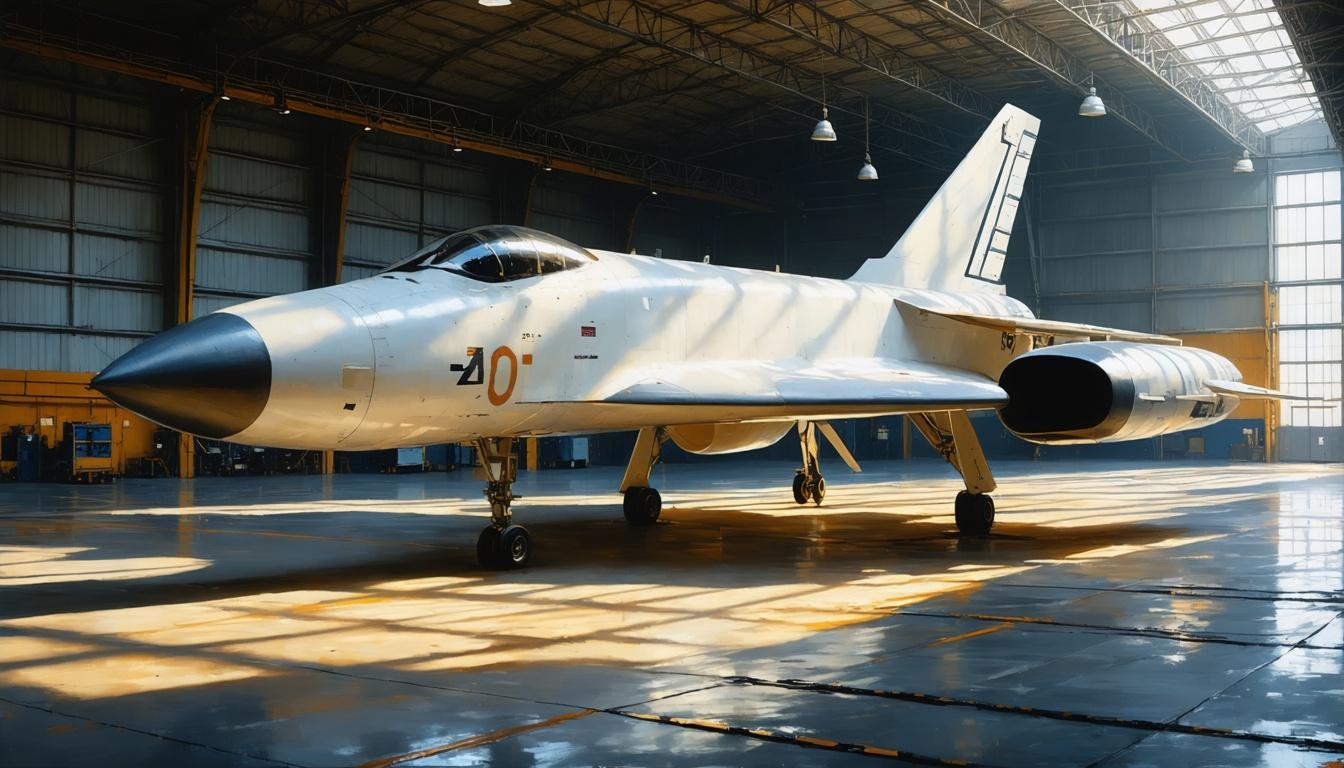
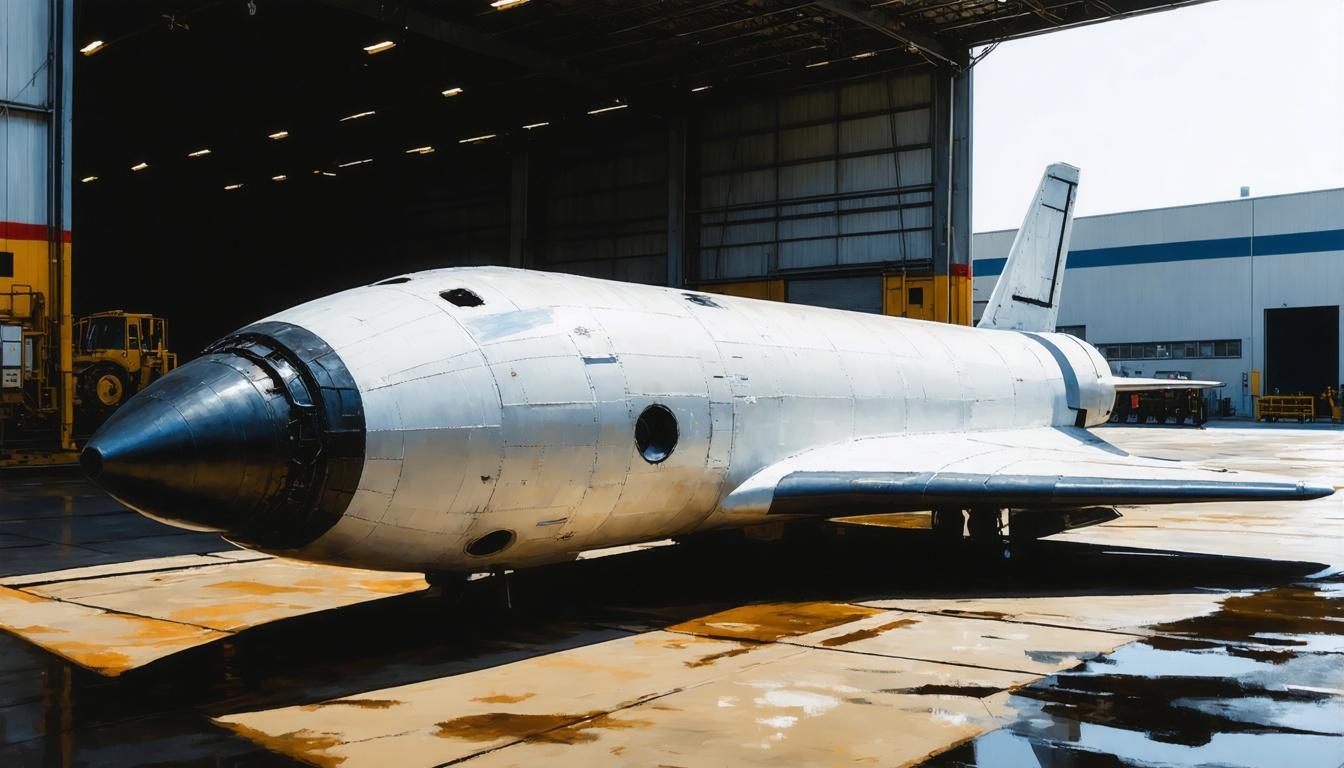
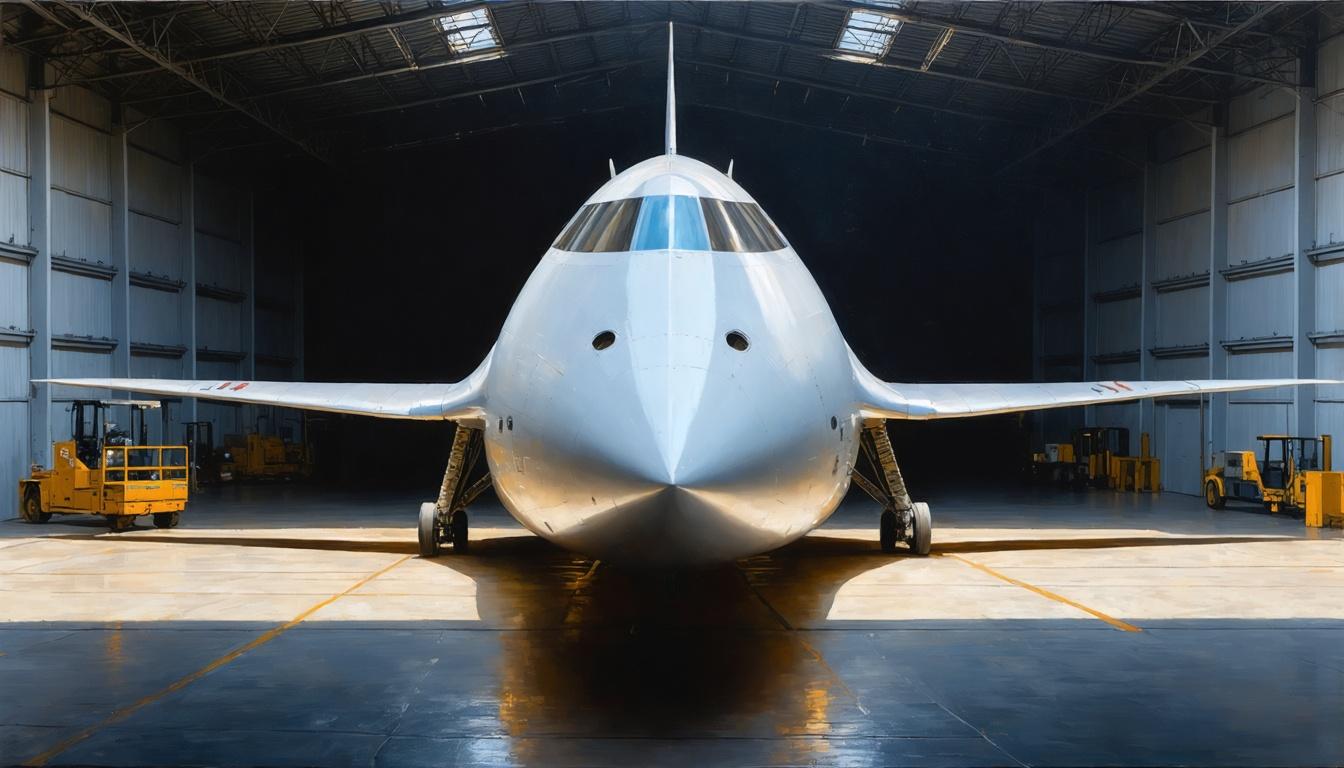
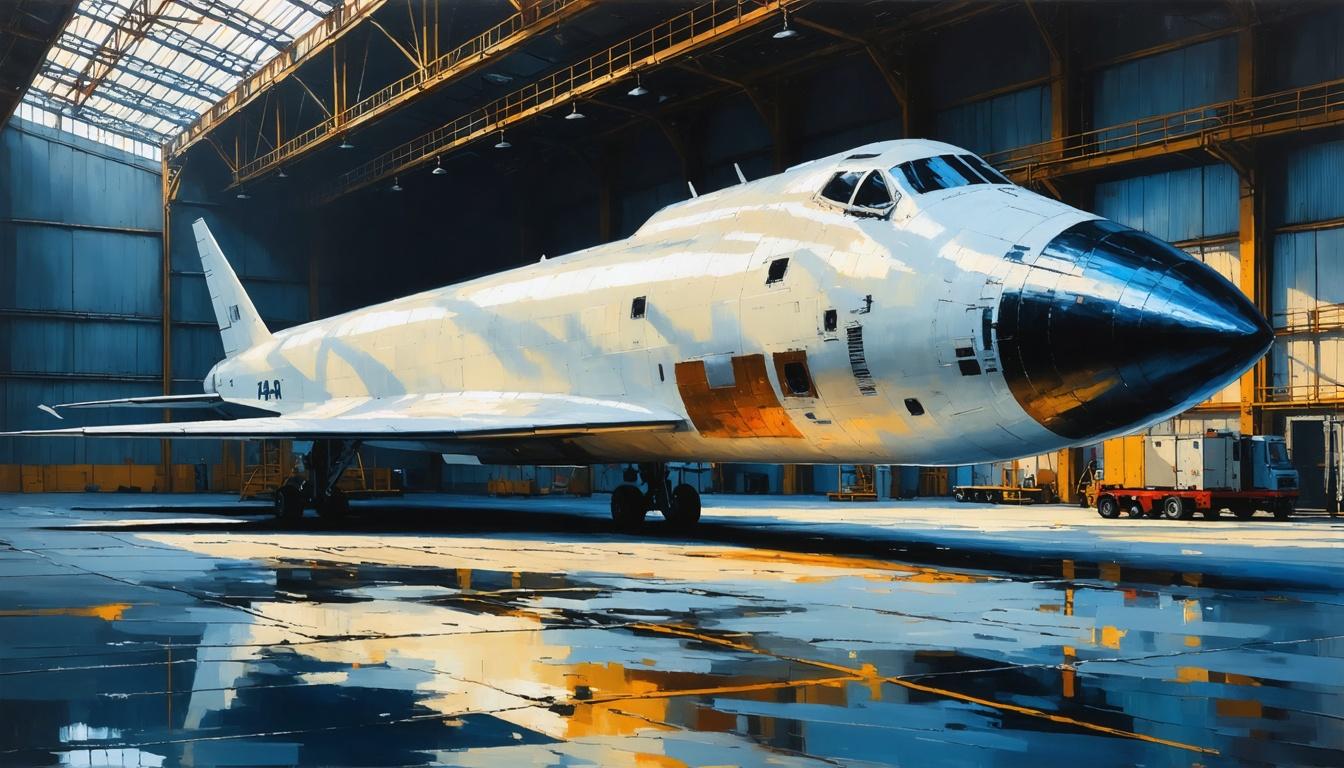
*this image is generated using AI for illustrative purposes only.
Space Exploration Technologies Corp. CEO Elon Musk stated on Thursday that the company could potentially be worth more than the entire planet Earth if it accomplishes its goals. The comment was made on social media platform X in response to a user discussing a deal between Anthropic and xAI, which involves Anthropic paying $45 billion through May 2029 to SpaceX for compute capacity at the Colossus and Colossus II data centers.
Musk countered the user's skepticism about the deal, emphasizing the long-term valuation potential of SpaceX. "You don’t seem to understand that SpaceX will be worth more than the rest of Earth if we accomplish our goals," Musk posted.
Starmind Constellation Details
SpaceX also revealed technical specifications for its new AI1 satellite, part of the Starmind constellation dedicated to AI compute. The satellites are designed to support chips from all providers and feature deployable liquid radiators to reject heat into the vacuum of space.
The AI1 satellite specifications include a wingspan of 70 meters and a 150 kW solar array. The constellation will be interconnected via laser links to beam AI compute back to Earth's surface through the Starlink satellite internet service.
AI1 Satellite Specifications
| Specification | Value |
|---|---|
| Peak compute payload | 150 kW |
| Average payload compute | 120 kW |
| Wingspan | 70 meters |
| Solar array capacity | 150 kW |
Musk has previously advocated for orbital AI compute as the only method to overcome Earth-based bottlenecks, stating, "Space is the only way to scale at scale."
SpaceX shares were up 0.06% at $152.25 during the after-hours session on Thursday.

How will the latency introduced by beaming AI compute back to Earth affect the performance requirements of real-time AI applications compared to terrestrial data centers?
What regulatory hurdles might SpaceX face regarding spectrum allocation and international treaties as it deploys a dedicated AI constellation with laser links?
Could the thermal management constraints of the vacuum environment limit the types of high-performance chips that can be effectively deployed on the AI1 satellites?
 16
16







 Access 50+ Readymade Screeners
  Use 200+ Custom Filters
  Get Full Market Insights





