

Smartworks unveils three-year ESG roadmap in FY26 sustainability report


- Smartworks files FY26 BRSR, outlining a three-year ESG roadmap through FY28
- Energy intensity improved to 0.0000174 per rupee of turnover despite higher consumption
- Contract worker LTIFR dropped to 1.2 from 1.8 in the prior year
- Company discloses 43,434.51 metric tonnes of Scope 3 emissions for the first time
- Permanent employee turnover rate fell to 42% from 46% previously



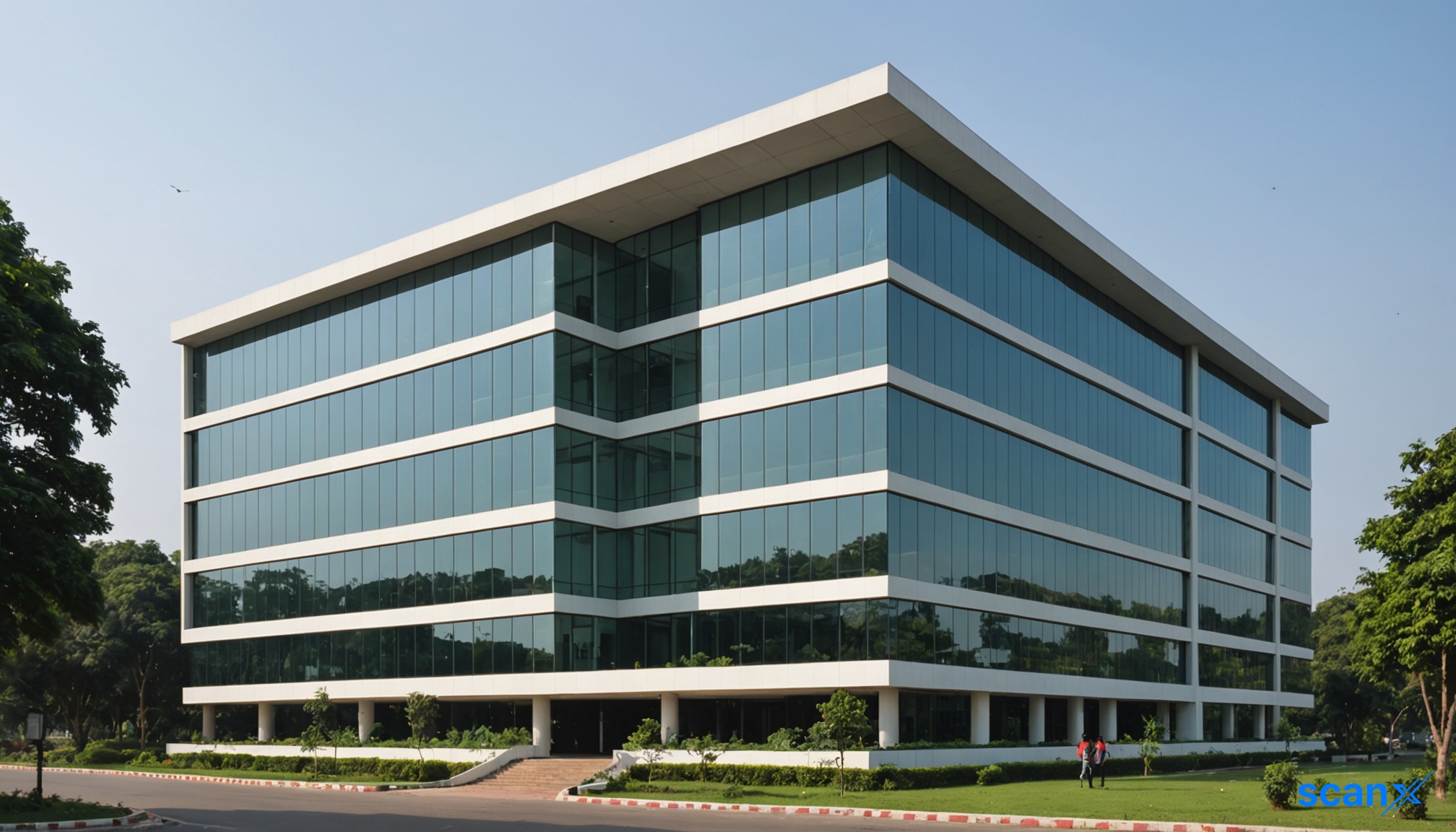
*this image is generated using AI for illustrative purposes only.
Smartworks Coworking Spaces has filed its Business Responsibility and Sustainability Report (BRSR) for FY26 with stock exchanges. The filing outlines the company’s consolidated environmental, social, and governance performance across its portfolio of managed workspaces.
The report highlights a strategic shift toward formalising sustainability targets following a comprehensive peer benchmarking exercise. Management noted that while baseline data for FY25-26 is being established, the company is executing a three-year ESG roadmap spanning FY25-26 to FY27-28.
Environmental Performance
Smartworks reported a total energy consumption of 303,040 GJ for the current financial year, an increase from 259,510 GJ in the prior year. Despite the rise in absolute consumption, energy intensity per rupee of turnover improved to 0.0000174, down from 0.0000228 previously.
| Energy Metric | FY26 | FY25 |
|---|---|---|
| Total Renewable Energy (GJ) | 21,380 | 8,939 |
| Total Non-Renewable Energy (GJ) | 281,660 | 250,570 |
| Scope 1 & 2 GHG Emissions (Tonnes CO2e) | 59,410.67 | 51,561.04 |
The company attributed efficiency gains to IoT-enabled lighting controls and AI-driven air conditioning optimisation. Smartworks also disclosed 43,434.51 metric tonnes of Scope 3 emissions for the first time in the reporting period.
What the Numbers Show
While total energy consumption rose by approximately 16.8%, the share of renewable energy within the total mix expanded significantly. Renewable sources accounted for roughly 7% of total energy consumption in FY26, up from about 3.4% in FY25, indicating a deliberate pivot toward cleaner power procurement alongside portfolio expansion.
Social Metrics and Safety
The workforce composition remained heavily skewed toward contract workers, who constituted 3,404 individuals compared to 1,038 permanent employees. The company reported zero fatalities and no lost-time injuries among employees. However, contract workers recorded a Lost Time Injury Frequency Rate (LTIFR) of 1.2, an improvement from 1.8 in the previous year.
Employee turnover for permanent staff stabilised at 42% in FY26, down from 46% in FY25. The company maintained 100% coverage for health and accident insurance across all permanent employees and workers.
Governance and Compliance
Smartworks confirmed compliance with all statutory requirements relevant to the National Guidelines on Responsible Business Conduct (NGRBC). The company reported one formal complaint under the Prevention of Sexual Harassment (POSH) Act, which was resolved within the mandated 90-day timeline. No monetary fines or penalties were paid to regulators during the period.
Historical Stock Returns for Smartworks Coworking Spaces
| 1 Day | 5 Days | 1 Month | 6 Months | 1 Year | 5 Years |
|---|---|---|---|---|---|
| +1.71% | -3.58% | -9.56% | +18.47% | -18.19% | +7.85% |

How will the newly established baseline data for FY25-26 influence Smartworks' specific quantitative targets for Scope 3 emissions reduction in the upcoming years?
What is the projected impact of the three-year ESG roadmap on Smartworks' operational costs and potential premium pricing power for sustainability-conscious tenants?
Given the heavy reliance on contract workers, what specific initiatives are planned to further reduce the Lost Time Injury Frequency Rate (LTIFR) and improve retention among this workforce segment?
 18
18











 Access 50+ Readymade Screeners
  Use 200+ Custom Filters
  Get Full Market Insights





