

Shell raises Q2 2026 outlook on strong gas, refining


Shell PLC raised its Q2 2026 outlook for Integrated Gas and Upstream production, while also increasing refining margin forecasts to $20 per barrel. The company cited strong Trading & Optimisation performance and noted that long-term LNG demand is expected to grow 65% by 2050 despite current shipping disruptions.


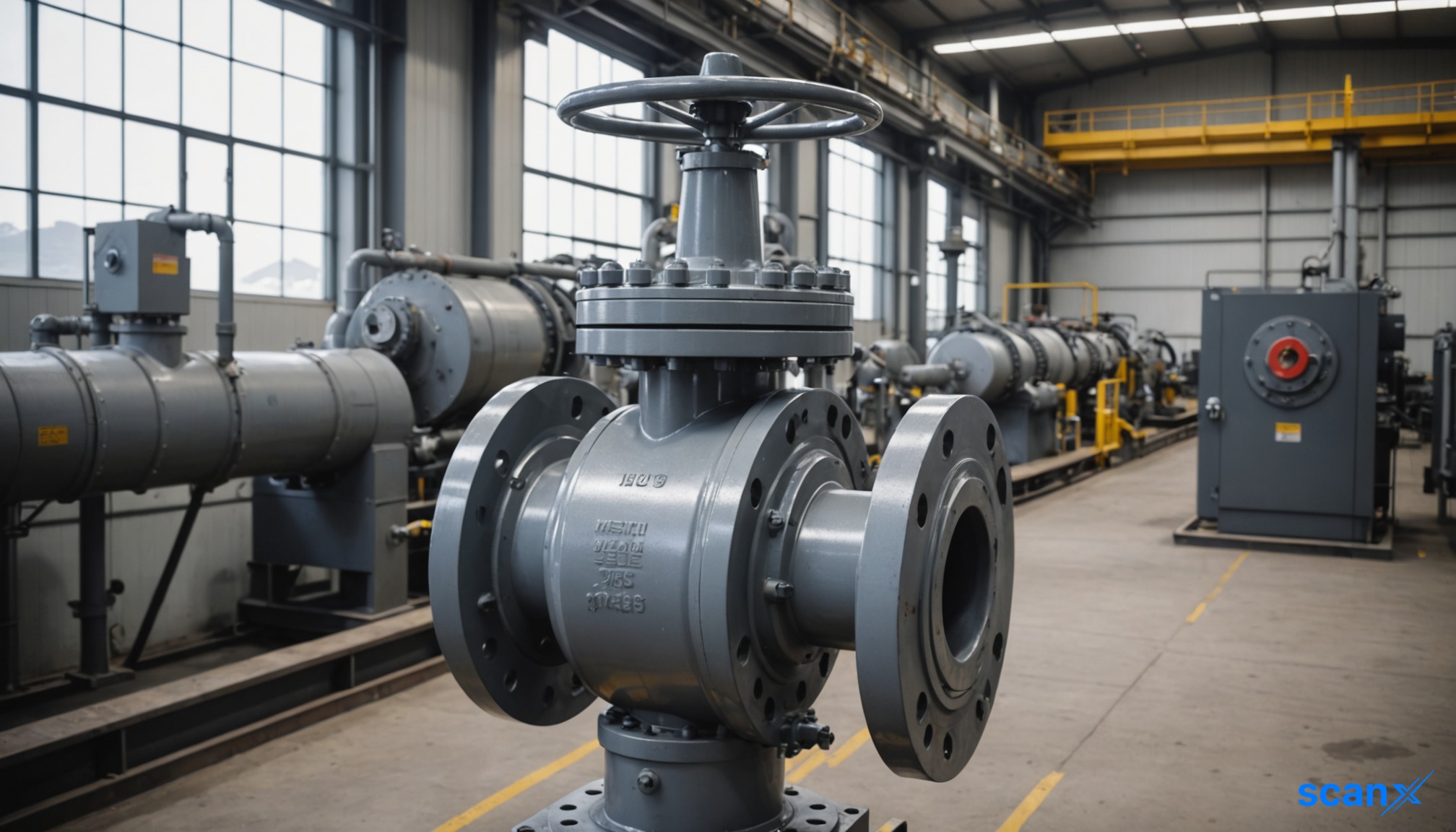
*this image is generated using AI for illustrative purposes only.
Shell PLC has raised its production outlook for the second quarter of 2026, citing improved performance in its Integrated Gas and Upstream segments alongside better refining margins. The company now expects Integrated Gas production to range between 610,000 and 650,000 barrels of oil equivalent per day (boe/d), an increase from its previous guidance of 580,000 to 640,000 boe/d. LNG liquefaction volumes are forecast between 7.4 million and 7.8 million metric tons, compared to prior guidance of 6.8 million to 7.4 million metric tons. Trading & Optimisation results for the Integrated Gas segment are expected to be significantly higher than in Q1’26.
In the Upstream segment, Shell increased its production forecast to 1.75 million to 1.85 million boe/d, up from the earlier range of 1.62 million to 1.82 million boe/d. The taxation charge is expected to rise to a range of $2.4–3.2 billion from $2.1 billion. Marketing sales volumes are projected at 2.55 million to 2.65 million barrels per day, versus the earlier outlook of 2.50 million to 2.70 million barrels per day.
The Chemicals and Products segment indicates an improvement in margins, with the indicative refining margin expected to reach approximately $20 per barrel, up from $17/bbl in Q1’26. The indicative chemicals margin is forecast to rise to approximately $240/tonne from $139/tonne. Refinery utilisation is expected to be around 100%, compared to previous guidance of 91% to 99%, while chemicals utilisation is projected to be between 80% and 84%, up from prior guidance of 76% to 84%.
For the Renewables and Energy Solutions segment, adjusted earnings are forecast to be in the range of a loss of $0.3 billion to a profit of $0.3 billion. Corporate adjusted earnings are projected to be a loss of $0.5–0.7 billion. At the group level, cash flow from operating activities (CFFO) is expected to see working capital movements of $1–6 billion, reflecting the impact of unprecedented volatility in commodity prices.
Looking at long-term demand, Shell expects global liquefied natural gas demand to rise about 65% from 2025 levels to nearly 700 million metric tons a year by 2050. The company noted that disruption to shipping through the Strait of Hormuz has temporarily shut in about one-fifth of global monthly LNG supply, lifting spot prices. However, stronger North American output and improved plant performance have partly offset the impact. Shell forecasts about 180 million metric tons of new annual LNG supply by 2030.
The following table outlines the updated operational outlook for Shell’s key segments for Q2’26 compared to Q1’26:
| Metric | Q1’26 | Q2’26 Outlook | Comment |
|---|---|---|---|
| Integrated Gas Production (kboe/d) | 909 | 610 - 650 | Raised from prior guidance of 580-640 |
| LNG Liquefaction Volumes (MT) | 7.9 | 7.4 - 7.8 | Raised from prior guidance of 6.8-7.4 |
| Upstream Production (kboe/d) | 1,843 | 1,750 - 1,850 | Raised from prior guidance of 1,620-1,820 |
| Marketing Sales Volumes (kb/d) | 2,627 | 2,550 - 2,650 | Narrowed from prior guidance of 2,500-2,700 |
| Indicative Refining Margin | $17/bbl | ~$20/bbl* | |
| Indicative Chemicals Margin | $139/tonne | ~$240/tonne* | |
| Refinery Utilisation | 99% | ~100% | Raised from prior guidance of 91-99% |
| Chemicals Utilisation | 85% | 80% - 84% | Raised from prior guidance of 76-84% |
*Given market dislocations, realised refining and chemicals margins are lower than the calculated IRM / ICM and have been adjusted accordingly.

How will the temporary shutdown of LNG supply through the Strait of Hormuz influence Shell's long-term strategic planning for supply chain resilience?
Can the Renewables and Energy Solutions segment sustain profitability given the current forecast range between a loss and a profit?
What impact will the anticipated 180 million metric tons of new annual LNG supply by 2030 have on global spot prices and Shell's margin outlook?
 19
19






 Access 50+ Readymade Screeners
  Use 200+ Custom Filters
  Get Full Market Insights





