

SAIL signs MoU with BCCL for joint development of coal blocks in West Bengal


- Steel Authority of India and Bharat Coking Coal signed an MoU for joint coal block development
- Agreement covers Indikatta Ramnagore and East of Damagoria (Kalyaneshwari) blocks in West Bengal
- Objective is to boost domestic coking coal production through operational synergy

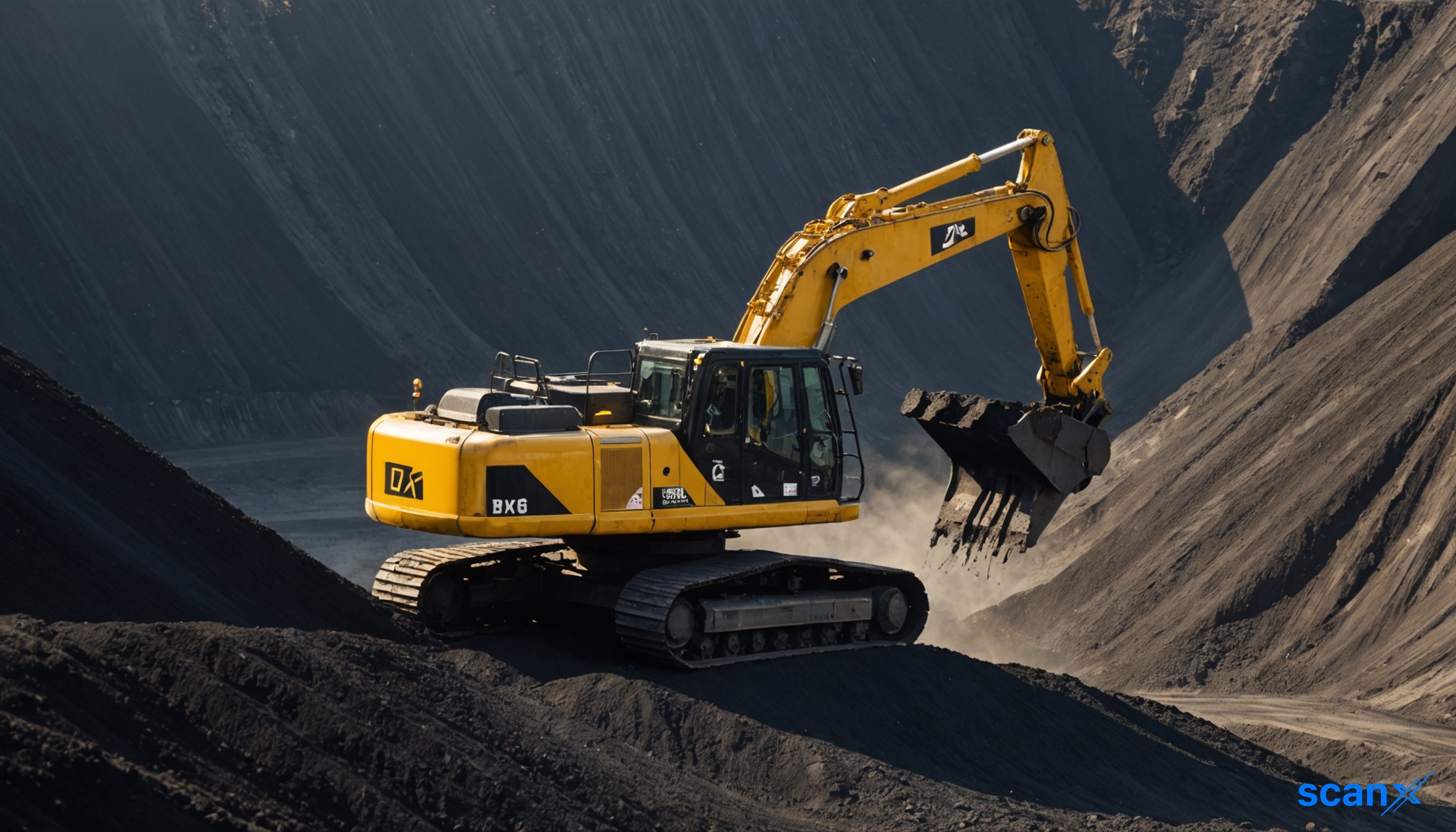

*this image is generated using AI for illustrative purposes only.
Steel Authority of India Limited and Bharat Coking Coal Limited have signed a Memorandum of Understanding for the joint development and operation of two coal blocks in West Bengal. This agreement aims to boost domestic production of coking coal.
Agreement details
The partnership covers the Indikatta Ramnagore Coal Block, owned by SAIL, and the East of Damagoria (Kalyaneshwari) Coal Block, owned by BCCL. The following table outlines the key details of the collaboration:
| Parameter | Details |
|---|---|
| Parties | Steel Authority of India, Bharat Coking Coal Limited |
| Coal blocks | Indikatta Ramnagore and East of Damagoria (Kalyaneshwari) |
| Location | West Bengal |
| Objective | Increase local coking coal output |
The MoU marks a significant step towards developing domestic sources of coking coal. By combining SAIL's block with BCCL's adjacent asset, the entities intend to streamline operations and enhance output efficiency in the region.
Regulatory disclosure
The development was intimated to the Bombay Stock Exchange and National Stock Exchange under Regulation 30 of the SEBI (Listing Obligations and Disclosure Requirements) Regulations, 2015. The filing was signed by M.B. Balakrishnan, Executive Director (Finance & Accounts) and Company Secretary of Steel Authority of India Limited.

What is the projected timeline for achieving commercial production from the Indikatta Ramnagore and East of Damagoria coal blocks?
How might this joint venture impact India's overall coking coal import dependency and associated foreign exchange outflows?
What specific environmental clearances and regulatory hurdles remain before full-scale operations can commence in West Bengal?
 17
17








 Access 50+ Readymade Screeners
  Use 200+ Custom Filters
  Get Full Market Insights





