

Riyadh Air commits to 28 Boeing 787 Dreamliners, adds 787-10


Riyadh Air has committed to purchasing 28 additional Boeing 787 Dreamliners, including 20 of the 787-10 variant, raising its firm order book to 67 aircraft. The deal, announced at the Farnborough Airshow on July 20, 2026, supports the airline's goal to serve over 100 destinations by 2030 and is expected to contribute significantly to Saudi Arabia's non-oil GDP.

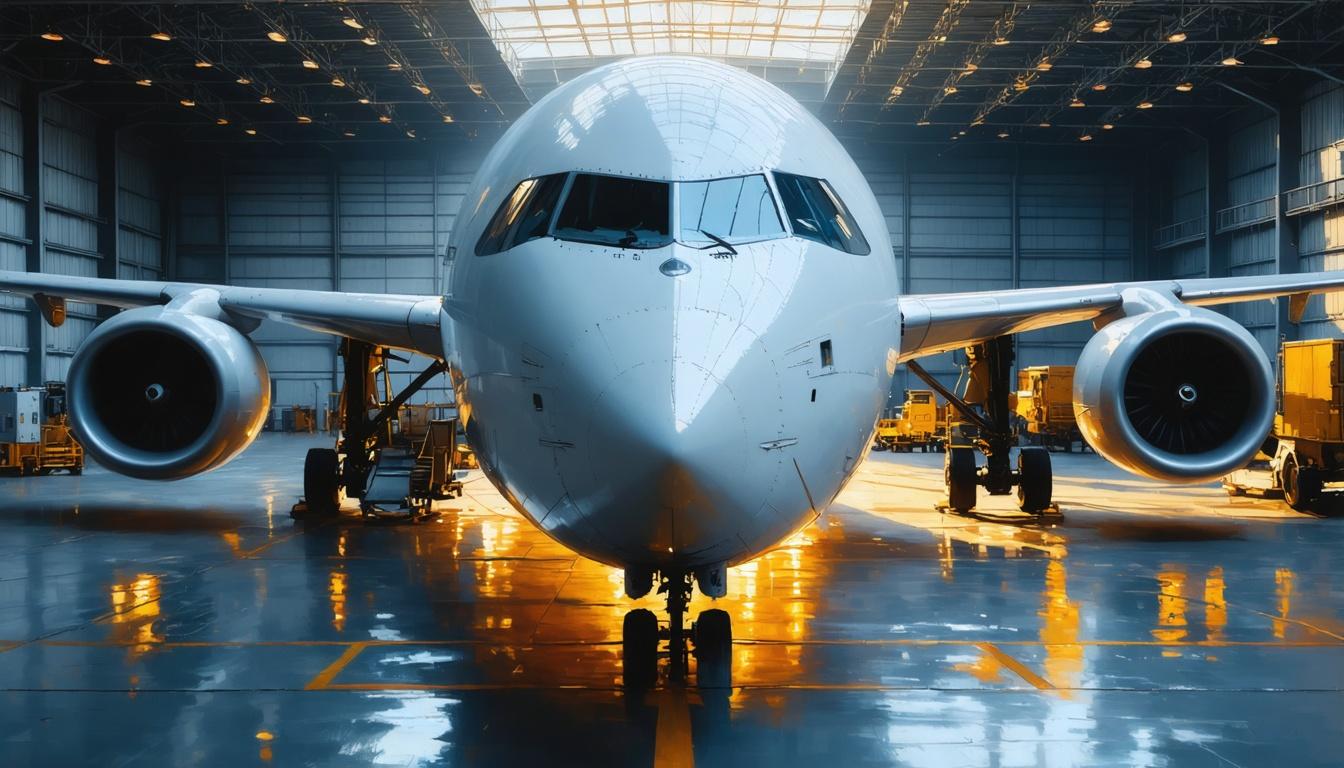

*this image is generated using AI for illustrative purposes only.
Riyadh Air, the new national carrier of the Kingdom of Saudi Arabia, has committed to exercising options for 28 additional 787 Dreamliner jets from its 2023 order, including the conversion of 20 airplanes to the larger 787-10 variant. The agreement, announced on July 20, 2026, at the Farnborough Airshow, will increase the airline's firm order count to 67 aircraft. This expansion supports Riyadh Air's strategic goal to operate to over 100 global destinations by 2030, aligning with Saudi Vision 2030.
The announcement includes a previously unidentified purchase of 11 widebody jets. Once the remaining 17 airplanes are finalized, the carrier's fleet composition will significantly grow. Riyadh Air has taken delivery of six 787-9 jets and currently serves six cities. The addition of the 787-10, the largest member of the Dreamliner family, will boost capacity with 50 more seats than the 787-9 while reducing fuel use and emissions by 25% compared to the airplanes it replaces.
Tony Douglas, CEO of Riyadh Air, stated that the commitment marks a significant milestone in the airline's journey towards over 100 international destinations by 2030. He noted that guests have been impressed with the experience onboard the current fleet of six Boeing 787 jets. The introduction of the 787-10 is intended to strengthen the airline's ability to accommodate growing passenger and cargo demand and provide operational flexibility.
By operating both the 787-9 and 787-10, Riyadh Air will benefit from fleet commonality. This includes shared flight deck systems, maintenance procedures, and pilot training, which are expected to deliver operational efficiencies. The 787 Dreamliner family features advanced technology designed to enhance passenger comfort, including the largest windows of any commercial airplane, higher cabin humidity, and lower cabin altitude pressurization.
Stephanie Pope, president and CEO of Boeing Commercial Airplanes, expressed that the company is delighted to see Riyadh Air flying their new 787 airplanes in commercial service. She stated that the 787-10 will complement Riyadh Air's growing fleet and advance its mission to be a world-class airline. The expanded fleet is expected to help Riyadh Air generate over 200,000 direct and indirect jobs and contribute over $20 billion (SAR 75 billion) to non-oil GDP growth by 2030.
Fleet Expansion Details
| Metric | Details |
|---|---|
| Total options exercised | 28 jets |
| Conversion to 787-10 | 20 airplanes |
| New firm order count | 67 aircraft |
| Current fleet size | 6 jets (787-9) |
| Additional seats (787-10 vs 787-9) | 50 seats |
| Emissions reduction | 25% |
As a wholly owned company of the Public Investment Fund (PIF), Riyadh Air acts as a key catalyst for Saudi Arabia's economic diversification strategy. The airline aims to ensure Riyadh, a G20 capital city, is fully connected to 100 global destinations, realizing the goals of Saudi Vision 2030.

How will the rapid fleet expansion impact Riyadh Air's ability to recruit and train sufficient pilots and crew by 2030?
What specific international markets is Riyadh Air targeting next as it scales from six to over 100 destinations?
How will the introduction of the larger 787-10 variant affect the airline's cargo capacity and revenue strategy?
 17
17





 Create Custom Screeners
  Access 200+ Pre-built Filters
  Use 50+ Readymade Screener





