

Rashi Peripherals Board Approves ₹90 Crore Investment in Subsidiaries and Acquisition


Rashi Peripherals announced a comprehensive ₹90.00 crore investment strategy following its board meeting on April 16, 2026. The plan includes establishing Rashi Semiconductor Solutions Pvt. Limited as a wholly owned subsidiary with ₹80.00 crore investment, acquiring RP Tech Electronics Limited from promoters for ₹10.00 crore, and incorporating a Singapore step-down subsidiary for international expansion.


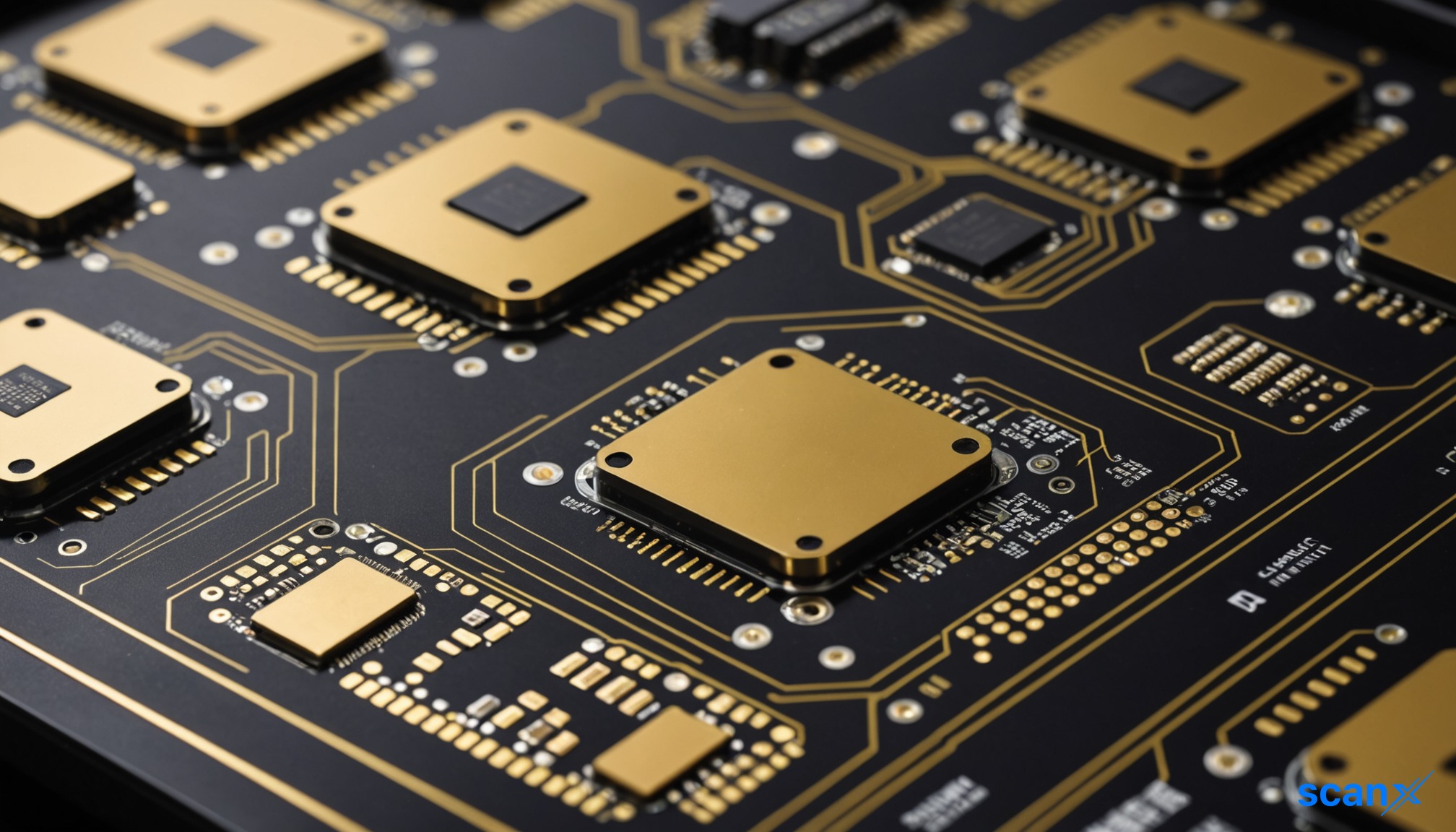
*this image is generated using AI for illustrative purposes only.
Rashi Peripherals has announced comprehensive expansion plans following its board meeting held on April 16, 2026. The company's Board of Directors approved a strategic investment totaling ₹90.00 crores across multiple initiatives, including subsidiary incorporations and acquisitions, demonstrating significant commitment to business growth and diversification.
Board Meeting Outcomes
The Board Meeting No. 01/2026-27 commenced at 11:40 AM and concluded at 01:15 PM, addressing three major strategic initiatives. The decisions were made in compliance with Regulation 30 of SEBI (Listing Obligations and Disclosure Requirements) Regulations, 2015, with the company promptly notifying stock exchanges BSE and NSE within the required 30-minute timeframe.
| Initiative: | Investment Amount | Entity Details |
|---|---|---|
| Wholly Owned Subsidiary | ₹80.00 crores | Rashi Semiconductor Solutions Pvt. Limited |
| Promoter Acquisition | ₹10.00 crores | RP Tech Electronics Limited |
| Singapore Step-down Subsidiary | Subject to approvals | Rashi Semiconductor Solutions Pte. Ltd. |
| Total Approved Investment: | ₹90.00 crores | Strategic expansion |
Strategic Subsidiary Development
The primary component involves establishing Rashi Semiconductor Solutions Pvt. Limited as a wholly owned subsidiary within India, with approved investment up to ₹80.00 crores through equity and loan arrangements. This substantial investment reflects the company's strategic focus on semiconductor solutions and represents the largest portion of the approved investment plan.
Additionally, the board approved incorporation of a step-down subsidiary in Singapore, Rashi Semiconductor Solutions Pte. Ltd., which will operate as a subsidiary of the Indian wholly owned subsidiary. This international expansion demonstrates the company's global business alignment strategy.
Acquisition and Regulatory Compliance
The board approved acquiring 100% shareholding of RP Tech Electronics Limited from promoters at ₹10.00 per share, with total consideration of ₹1.00 lakh and investment approval up to ₹10.00 crores. This related party transaction received Audit Committee approval as required under regulatory guidelines.
| Transaction Details: | Specifications |
|---|---|
| Acquisition Consideration: | ₹1.00 lakh |
| Share Price: | ₹10.00 per share |
| Investment Approval: | Up to ₹10.00 crores |
| Implementation Schedule: | One year |
| Regulatory Status: | Subject to requisite approvals |
Corporate Governance and Implementation
The company maintained strict compliance with SEBI regulations, submitting the intimation within 30 minutes of board meeting conclusion as mandated under Regulation 30(6). The implementation schedule spans one year, with all incorporations and acquisitions subject to regulatory approvals. These strategic moves position Rashi Peripherals for enhanced market presence across semiconductor solutions and electronics sectors through diversified subsidiary operations and international expansion capabilities.
Historical Stock Returns for Rashi Peripherals
| 1 Day | 5 Days | 1 Month | 6 Months | 1 Year | 5 Years |
|---|---|---|---|---|---|
| +1.34% | -3.62% | +8.64% | +96.74% | +159.47% | +169.44% |

How will Rashi Peripherals' entry into semiconductor solutions compete with established players in India's growing semiconductor market?
What specific regulatory approvals are required for the Singapore subsidiary and how might geopolitical tensions affect this international expansion?
Will the ₹90 crore investment require additional fundraising or debt financing, and how might this impact the company's capital structure?
 17
17









 Access Market Heat-map & Insights
  Create, Save & Share your Screener
  Use 200+ Screening Filters





