

Primo Chemicals approves merger with subsidiary Flow Tech


- Primo Chemicals board approved amalgamation of wholly owned subsidiary Flow Tech
- Appointed date for the scheme is October 1, 2026, subject to NCLT sanction
- Flow Tech contributed ₹34,166.14 lakh turnover versus Primo's ₹56,169.23 lakh in FY26
- No cash consideration or share issuance involved as Flow Tech is wholly owned

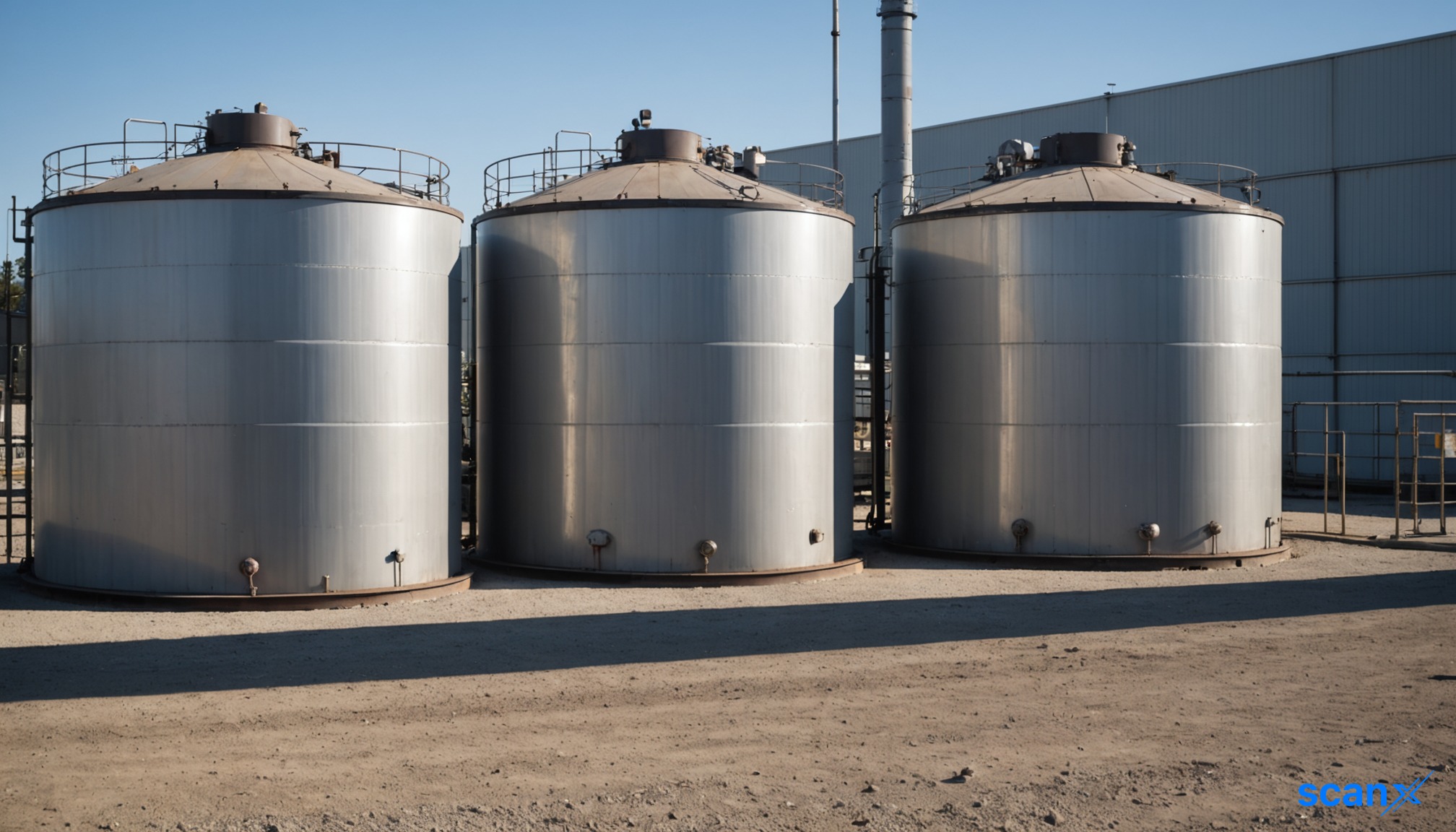

*this image is generated using AI for illustrative purposes only.
Primo Chemicals board of directors has approved the draft scheme of amalgamation of its wholly owned subsidiary, Flow Tech Chemicals Private Limited, with itself. The proposed merger aims to streamline operations and consolidate resources.
The Board meeting held on September 25, 2026, commenced at 1:30 pm and concluded at 3:00 pm. It sanctioned the scheme under Sections 230-232 of the Companies Act, 2013. The appointed date for the amalgamation is October 1, 2026. This action requires final sanction from the National Company Law Tribunal (NCLT) and other relevant regulatory authorities.
Financial Snapshot
The merger involves two entities within the same corporate group. Flow Tech is a wholly owned subsidiary of Primo Chemicals. The financial details for the fiscal year ended March 31, 2026, highlight the relative scale of both entities.
| Entity | Turnover (₹ lakh) | EBITDA (₹ lakh) |
|---|---|---|
| Primo Chemicals Limited | 56,169.23 | 8,788.55 |
| Flow Tech Chemicals Pvt Ltd | 34,166.14 | 2,019.27 |
Business Operations
Primo Chemicals is engaged in the manufacturing of Caustic Soda Lye, Caustic Soda Flakes, Liquid Chlorine, Hydrochloric Acid, Sodium Hypochlorite, Hydrogen Gas, SBP and Aluminium Chloride. The main product of Primo Chemicals is caustic soda lye, while liquid chlorine, hydrochloric acid, hydrogen gas and sodium hypochlorite are its bye-products.
Flow Tech Chemicals Private Limited is engaged in the manufacturing of Chlorinated Paraffin and Hydrochloric Acid.
Strategic Rationale
The company cited several benefits driving the consolidation. Key objectives include:
- Simplification of the overall group structure by integrating Flow Tech’s operations directly within Primo.
- Reduction in management overlaps and multiplicity of legal and regulatory compliances.
- More efficient utilization of capital and creation of a consolidated asset base for future growth.
- Synergy benefits through pooling of proprietary information, personnel, and financial resources.
Transaction Mechanics
The scheme does not involve any cash consideration or share exchange ratio. Since Flow Tech is a wholly owned subsidiary, no new equity shares will be issued by Primo Chemicals to Flow Tech shareholders. Consequently, the pre and post-amalgamation shareholding pattern of the listed entity will remain unchanged.
Although the transaction falls within the purview of related party transactions due to the ownership structure, the company stated it will not fall under Section 188 of the Companies Act, 2013, regarding related party transaction restrictions.
What the Numbers Show
Flow Tech contributes approximately 61% of Primo Chemicals' standalone turnover but only 23% of its EBITDA. This disparity suggests that while Flow Tech adds significant volume to the top line, its margins are lower than the parent company's. Consolidating these entities may allow for better margin management by leveraging Primo's stronger profitability profile across a larger revenue base.
Historical Stock Returns for Primo Chemicals
| 1 Day | 5 Days | 1 Month | 6 Months | 1 Year | 5 Years |
|---|---|---|---|---|---|
| -5.74% | -11.97% | +9.23% | -3.64% | -1.10% | -16.60% |

How will the integration of Flow Tech's lower-margin Chlorinated Paraffin operations impact Primo Chemicals' consolidated EBITDA margins in the upcoming fiscal quarters?
What specific regulatory timelines does Primo Chemicals anticipate for NCLT approval, and how might delays affect the planned October 1, 2026 appointed date?
Will the streamlined group structure enable Primo Chemicals to pursue external growth opportunities or acquisitions that were previously constrained by complex subsidiary compliance?
 15











 Access 50+ Readymade Screeners
 Use 200+ Custom Filters
 Get Full Market Insights





