

Paras Defence files FY26 BRSR report detailing ESG metrics


Paras Defence and Space Technologies Limited filed its FY26 BRSR, reporting a turnover of ₹4,165.4 crore and net worth of ₹6,877.6 crore. The standalone report highlights zero safety incidents, a workforce of 617 individuals, and sustainable sourcing of over 60% of inputs. Exports accounted for 15.30% of revenue.


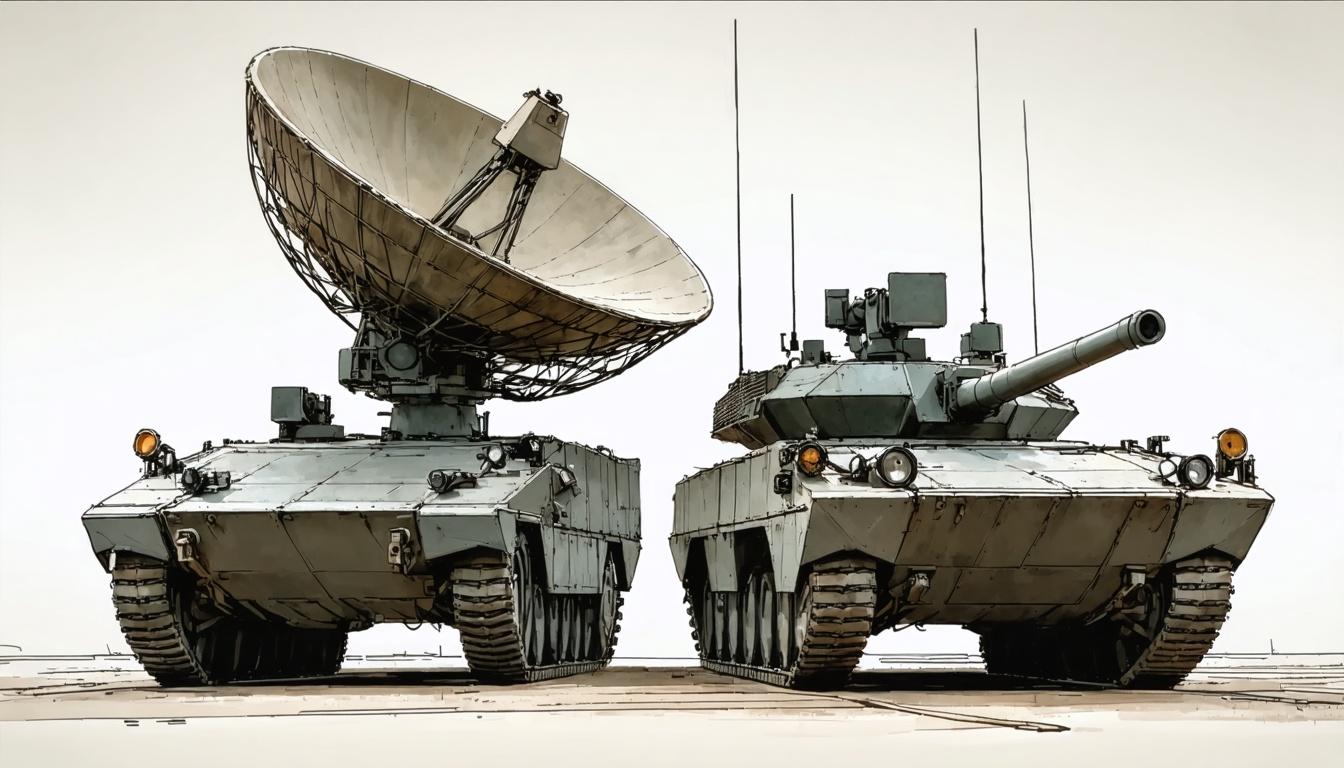
*this image is generated using AI for illustrative purposes only.
Paras Defence and Space Technologies Limited submitted its Business Responsibility and Sustainability Report (BRSR) for the financial year ended March 31, 2026 (FY26) to the Bombay Stock Exchange and the National Stock Exchange of India Limited on August 18, 2026. The filing, signed by Company Secretary Minal Bhate, covers standalone operations and outlines the company’s adherence to the National Guidelines on Responsible Business Conduct (NGRBC).
Operational and Financial Context
The report provides key financial figures relevant to Corporate Social Responsibility (CSR) compliance under Section 135 of the Companies Act, 2013. Paras Defence reported a turnover of ₹4,165.4 crore and a net worth of ₹6,877.6 crore for the period. The company operates two plants and five offices across India, serving customers in 18 states and union territories. Exports contributed 15.30% of the total turnover.
The primary business activities account for 90% of turnover, split between Defence Engineering (52%) and Optics and Optronics Systems (48%). Key clients include government entities such as the Defence Research and Development Organization (DRDO), Indian Space Research Organization (ISRO), and Defence Public Sector Undertakings (DPSUs), alongside private firms like L&T, BEL, and HAL.
Workforce and Safety Metrics
As of the end of FY26, the company employed 358 permanent employees and engaged 259 permanent workers. Women constituted 25.41% of the employee base and 9.65% of the worker base. The board of directors includes two women, representing 33.33% of total directors.
Safety performance remained strong with zero recordable incidents. The Lost Time Injury Frequency Rate (LTIFR) was 0 for both employees and workers in FY26, consistent with FY25. All manufacturing plants hold ISO 45001:2018 certification for occupational health and safety management.
| Metric | FY26 Value |
|---|---|
| Total Permanent Employees | 358 |
| Total Permanent Workers | 259 |
| Female Employees (%) | 25.41% |
| Female Workers (%) | 9.65% |
| LTIFR (Employees) | 0 |
| LTIFR (Workers) | 0 |
Sustainability and Governance
Paras Defence identified climate change as a material risk, citing potential impacts on supply chain continuity and operational efficiency. Conversely, the company views corporate governance and the ‘Make in India’ initiative as opportunities, leveraging domestic design and assembly capabilities.
The company disclosed that 0.5% of R&D investments were directed toward technologies improving environmental and social impacts, while 99.5% of capital expenditure (capex) served this purpose. Over 60% of inputs were sourced sustainably, supported by a Supplier Code of Conduct. The firm does not practice Extended Producer Responsibility (EPR) as its defence products are not reclaimed from customers.
Governance structures include a Board-approved Code of Conduct, Anti-Bribery Policy, and Whistle Blower Policy. The CSR Committee oversees sustainability matters, meeting at least twice annually. No fines, penalties, or regulatory actions were reported during the year.
Historical Stock Returns for Paras Defence Space Tech
| 1 Day | 5 Days | 1 Month | 6 Months | 1 Year | 5 Years |
|---|---|---|---|---|---|
| +2.09% | -0.63% | -15.70% | +90.15% | +78.39% | +303.53% |

How might Paras Defence's 15.30% export contribution evolve given global geopolitical shifts and increasing competition in the defence optics sector?
What specific strategic initiatives is the company planning to address climate change risks identified in its supply chain and operational efficiency?
Will Paras Defence increase its R&D allocation beyond the current 0.5% for environmental technologies to meet future ESG regulatory requirements?
 15
15









 Access Market Heat-map & Insights
  Create, Save & Share your Screener
  Use 200+ Screening Filters





