

Pace Digitek doubles BESS capacity to 5 GWh with new line


Pace Digitek Limited's subsidiary Lineage Power Private Limited commissioned an additional 2.5 GWh BESS manufacturing line on August 04, 2026, doubling the Group's total capacity to 5 GWh. This expansion builds on a track record of manufacturing over 300 utility-scale containers in the past year and aims to enhance execution capabilities for utility-scale and Commercial & Industrial projects amidst rising demand for battery energy storage solutions in India.

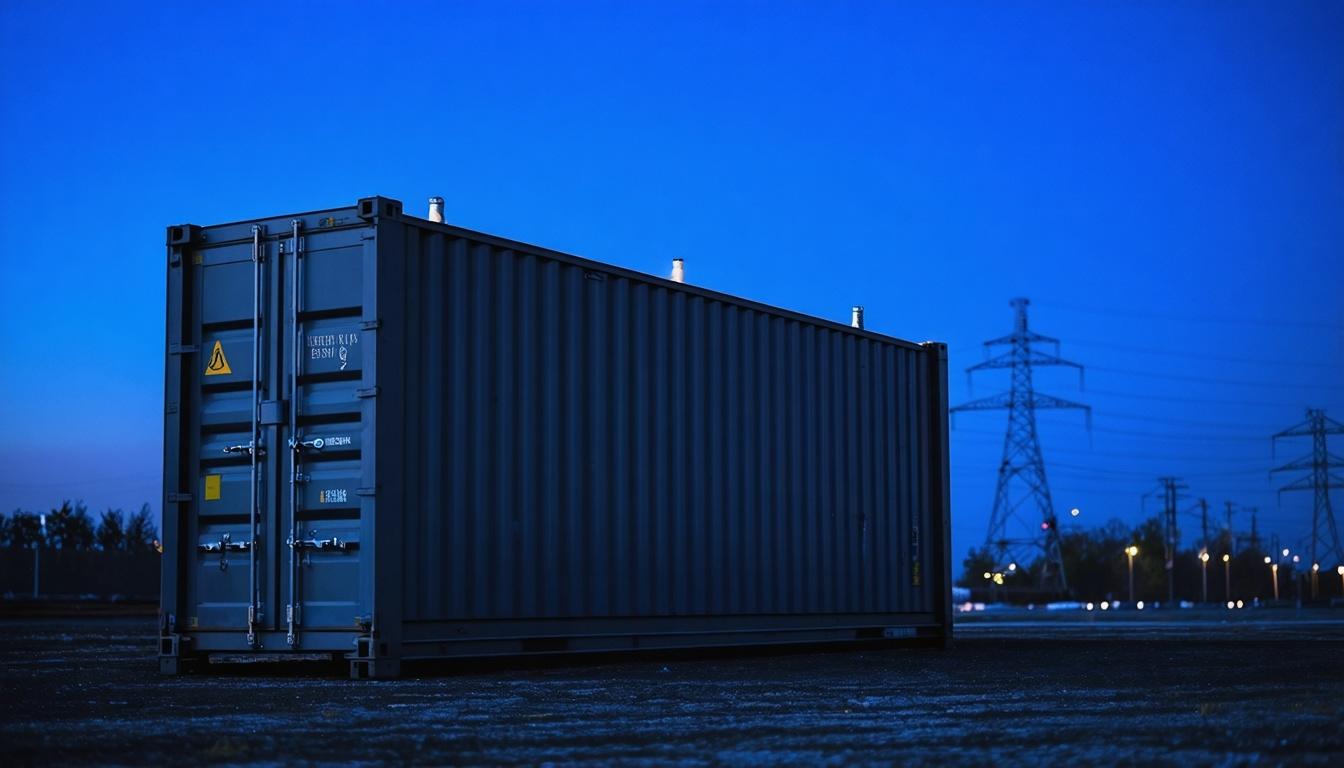

*this image is generated using AI for illustrative purposes only.
Pace Digitek Limited announced on August 04, 2026, that its material subsidiary, Lineage Power Private Limited (LPPL), has commissioned an additional 2.5 GWh Battery Energy Storage System (BESS) manufacturing line. This strategic expansion increases the Group's total installed BESS manufacturing capacity from 2.5 GWh to 5 GWh, significantly strengthening its ability to execute growing order books and project pipelines in the utility-scale and Commercial & Industrial (C&I) segments. The move supports India's rising demand for battery energy storage solutions driven by renewable energy deployment and grid balancing needs.
The disclosure was made pursuant to Regulation 30 read with Schedule III of the SEBI (Listing Obligations and Disclosure Requirements) Regulations, 2015. The press release, dated August 04, 2026, was signed by Meghana Manchaiah Purushotham, Company Secretary and Compliance Officer of Pace Digitek Limited.
Capacity Expansion and Operational Milestones
The commissioning of the new line builds on LPPL's operational track record over the past year, during which it manufactured over 300 utility-scale BESS containers, representing approximately 1.5 GWh of battery energy storage capacity. The increase to 5 GWh installed capacity enhances manufacturing flexibility, production planning, and delivery capabilities across diverse applications.
| Parameter: | Details |
|---|---|
| Previous Installed Capacity: | 2.5 GWh |
| Additional Capacity Commissioned: | 2.5 GWh |
| Total Installed Capacity: | 5 GWh |
| BESS Containers Manufactured (Past Year): | Over 300 |
| Subsidiary Entity: | Lineage Power Private Limited |
Strategic Implications and Market Context
Venugopal Rao Maddisetty, Chairman & Managing Director of Pace Digitek Limited, stated that the commissioning reflects progress in building an integrated BESS business, including strengthened manufacturing capabilities, advanced localisation, and enhanced execution across the value chain. He emphasized that the expanded capacity allows the company to support its growing order book while improving operational and cost efficiencies.
India's battery energy storage market continues to expand, supported by increasing renewable energy deployment and grid balancing requirements. As deployments scale, manufacturing capacity and supply chain integration are becoming increasingly critical for companies like Pace Digitek, which operates across the BESS value chain from design and manufacturing to system integration and deployment.
What the Numbers Show
The jump from 2.5 GWh to 5 GWh installed capacity represents a 100% increase in manufacturing potential, signaling Pace Digitek's aggressive scaling strategy in the energy storage sector. With over 300 containers already manufactured (~1.5 GWh), the company has demonstrated execution capability that now aligns with a significantly larger production footprint, positioning it to capture larger utility-scale contracts and diversify into C&I applications more effectively.
Historical Stock Returns for Pace Digitek
| 1 Day | 5 Days | 1 Month | 6 Months | 1 Year | 5 Years |
|---|---|---|---|---|---|
| -0.50% | +1.94% | -1.28% | +9.04% | -24.10% | -24.10% |

How will Pace Digitek allocate the additional 2.5 GWh capacity between utility-scale projects and the Commercial & Industrial segment to maximize margins?
What specific supply chain partnerships or raw material sourcing strategies will Pace Digitek employ to ensure cost competitiveness with Chinese BESS manufacturers?
Given the rapid capacity doubling, what is the company's plan to manage working capital requirements and potential cash flow constraints during the ramp-up phase?
 20
20











 Create Custom Screeners
  Access 200+ Pre-built Filters
  Use 50+ Readymade Screener





