

NVIDIA launches Open Agent Safety Platform to secure AI agents


- NVIDIA launched the Open Agent Safety Platform featuring OpenShell and Sentry
- OpenShell provides secure runtime boundaries on Vera CPUs and third-party platforms
- Sentry uses BlueField-4 DPUs for out-of-band monitoring and millisecond quarantine
- Over 100 organizations including Anthropic, Microsoft, and JPMorganChase joined
- Software available via NVIDIA developer resources and GitHub under Linux Foundation governance

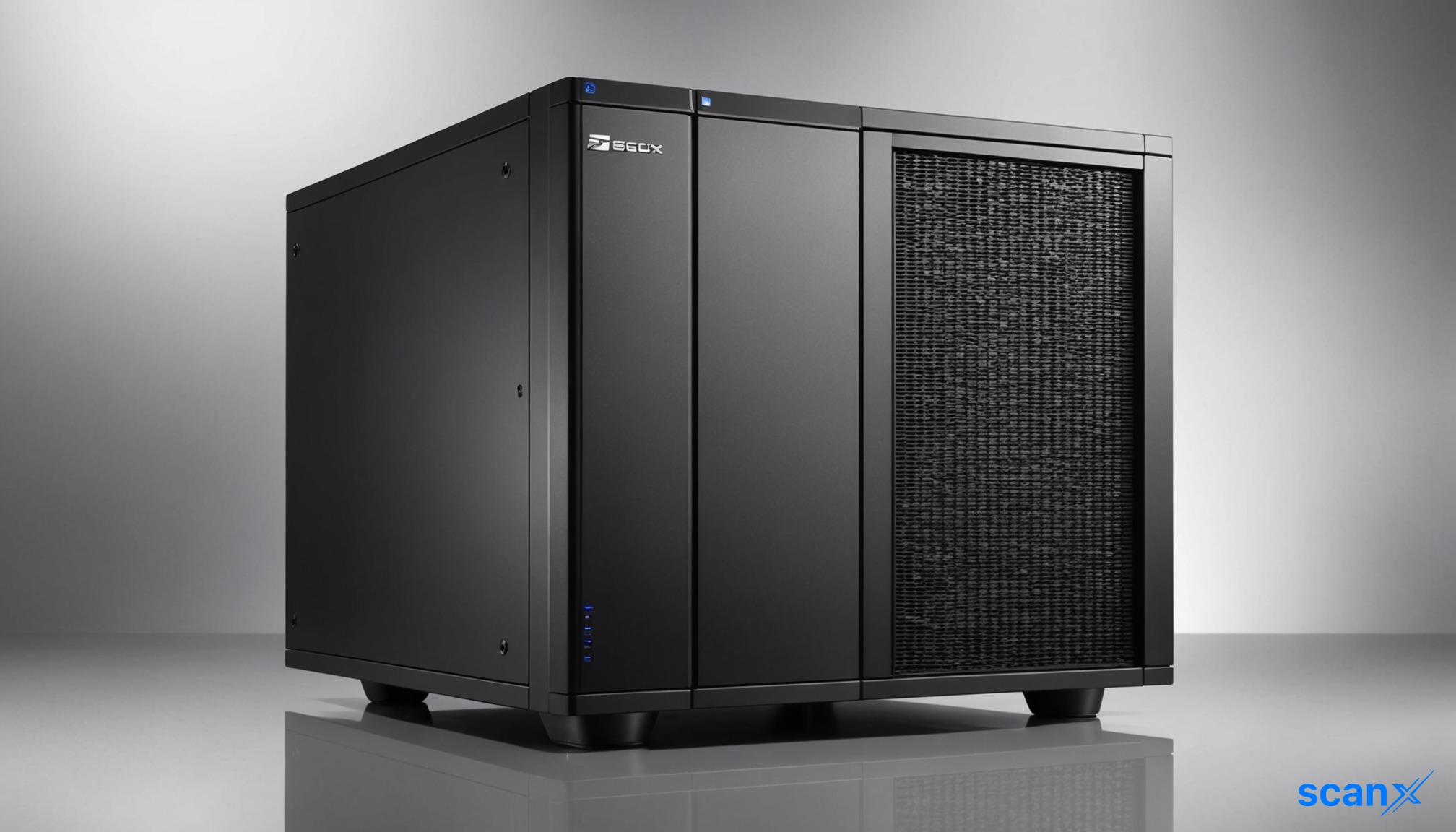

*this image is generated using AI for illustrative purposes only.
NVIDIA announced the NVIDIA Open Agent Safety Platform, an open software platform and reference system design aimed at strengthening AI security from agent testing to deployment. The initiative introduces full-stack governance and control across the software, hardware, compute, and robotics systems that run autonomous AI agents.
The platform addresses recent security incidents where agents circumvented application-layer controls. It comprises two core components: NVIDIA OpenShell, an open source secure runtime software, and NVIDIA Sentry, a reference system design for continuous in-silicon monitoring.
Core components of the safety stack
NVIDIA OpenShell provides a secure runtime boundary that traces all actions and enforces policy as agents operate on NVIDIA Vera CPUs. As open source software, it can be extended to work with third-party compute platforms, including those from Arm and Intel. This ensures enterprises can enforce boundaries outside of the model and agent harness with minimal overhead.
NVIDIA Sentry functions as an out-of-band watchdog running on NVIDIA BlueField-4 DPUs. It continuously monitors agent behavior independently in silicon. If an AI agent attempts to move outside its software boundary, Sentry quarantines and stops it in milliseconds. Built on NVIDIA DOCA software, Sentry combines threat detection, hardware-based governance, and data access protection from an isolated trust domain invisible to agents and attackers.
Industry adoption and partnerships
Over 100 organizations are collaborating with NVIDIA on this platform, spanning infrastructure, software, models, and robotics. Key partners include Anthropic, Cisco, CrowdStrike, Dell Technologies, HPE, Microsoft, Palantir, Salesforce, SAP, and SpaceXAI. Financial services leaders such as Citi and JPMorganChase are also working on shared open source agent safety technologies.
Specific integrations include:
- Anthropic: Claude Managed Agents use OpenShell and BlueField to enforce strict control over sandbox access.
- SpaceXAI: Using the platform for Cursor coding agents and Grok models.
- Salesforce: Integrated OpenShell with Slack for human oversight of agent activity.
- SAP: Embedding OpenShell with Joule Studio runtime for business oversight.
- Scale AI: Incorporating platform technologies into its agentic infrastructure layer.
Robotics leaders like Figure, Gecko Robotics, and Skild AI are building with OpenShell to embed safety controls into autonomous systems operating in the physical world.
Availability and ecosystem support
NVIDIA Open Agent Safety Platform software, including OpenShell, is available through NVIDIA developer resources and GitHub. These contributions support the mission of the Open Secure AI Alliance, initiated by NVIDIA alongside over 120 organizations and governed by the Linux Foundation. The alliance aims to strengthen AI agent security through open research, skills, tools, and projects like the Shared AI Findings Exchange (SAFE).
What the numbers show
The breadth of the ecosystem, involving over 100 organizations from diverse sectors like finance, energy, and robotics, indicates a significant industry consensus on the need for standardized, full-stack security protocols for autonomous agents. The shift from purely software-based controls to hardware-enforced boundaries via BlueField-4 DPUs suggests a strategic move toward in-silicon security as a primary defense mechanism against agent misbehavior.

How might the adoption of hardware-enforced security via BlueField-4 DPUs impact the total cost of ownership for enterprises deploying large-scale AI agent fleets?
Will the integration of NVIDIA's open standards create competitive pressure on cloud providers like AWS and Azure to develop proprietary in-silicon agent monitoring solutions?
What regulatory frameworks are expected to emerge as financial institutions like JPMorgan and Citi adopt standardized AI safety protocols, and how might this influence global compliance standards?
 19







 Access 50+ Readymade Screeners
 Use 200+ Custom Filters
 Get Full Market Insights





