

Northrop Grumman declares $2.47 quarterly dividend for shareholders


Northrop Grumman declared a $2.47 per share quarterly dividend, payable September 16, 2026. Shareholders must be on record by August 31, 2026. The company reaffirmed its focus on investing in manufacturing capacity to support technology delivery.



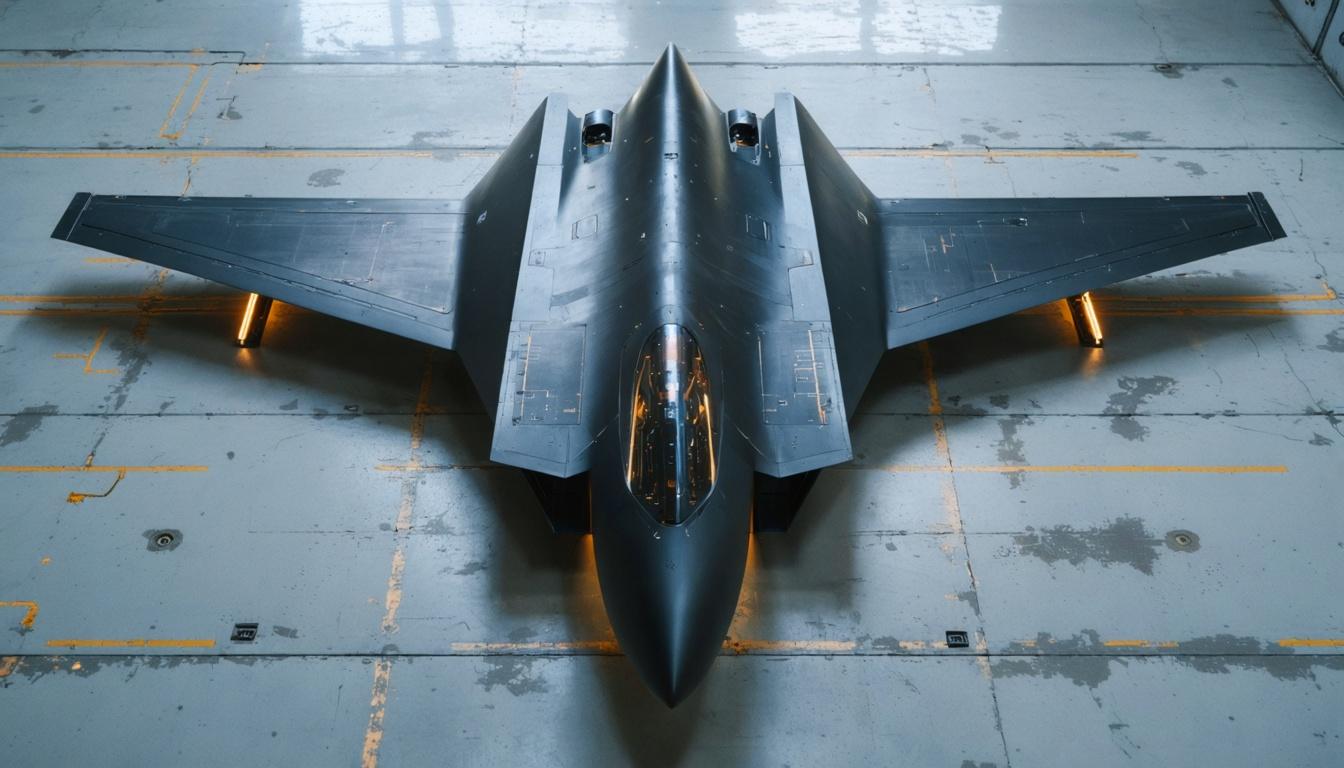
*this image is generated using AI for illustrative purposes only.
Northrop Grumman Corporation (NYSE: NOC) declared a quarterly dividend of $2.47 per share on its common stock. The payout is scheduled for September 16, 2026, for shareholders who held the stock as of the close of business on August 31, 2026.
The aerospace and defense technology company stated that it continues to execute a disciplined capital allocation strategy. This approach prioritizes investments in manufacturing capabilities and capacity required to deliver differentiating technologies quickly to customers.
Dividend Details
| Metric: | Value: |
|---|---|
| Dividend per share: | $2.47 |
| Record date: | August 31, 2026 |
| Payment date: | September 16, 2026 |
Northrop Grumman describes itself as a leading global aerospace and defense technology company. Its solutions aim to equip customers with capabilities to connect and protect the world while pushing the boundaries of human exploration.

How might Northrop Grumman's continued focus on manufacturing capacity investments impact its future free cash flow and ability to sustain dividend growth?
What specific differentiating technologies is Northrop Grumman prioritizing for rapid delivery, and how do they align with current U.S. defense budget allocations?
Given the disciplined capital allocation strategy, are there indications of potential M&A activity or share buybacks alongside the dividend payout in the coming quarters?
 20
20







 Access Market Heat-map & Insights
  Create, Save & Share your Screener
  Use 200+ Screening Filters





