

Norsk Hydro Q2FY26 Results: Adjusted EBITDA rises 2% YoY to 8.9 billion NOK


- Adjusted EBITDA rose 2% YoY to 8.9 billion NOK, driven by higher metal prices
- Free cash flow reached 4 billion NOK, offset by 5.9 billion NOK dividend payout
- Aluminium Metal segment EBITDA tripled to 6.4 billion NOK from 2.4 billion NOK
- Company secured long-term renewable power deal with Eviny for 0.5 TWh annually
- Agreement reached to restart 75,000 tonnes of production at Slovalko joint venture

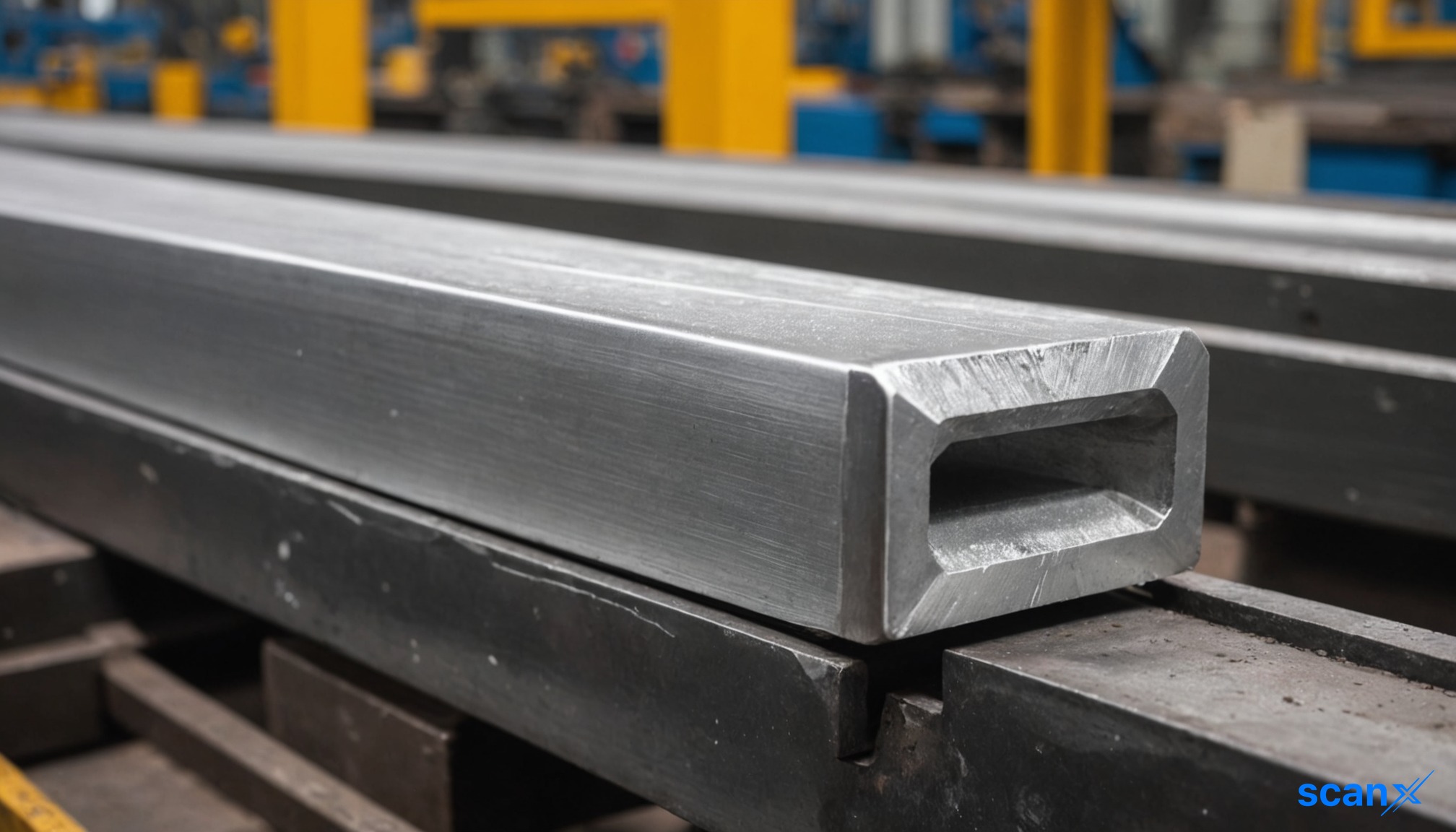

*this image is generated using AI for illustrative purposes only.
Norsk Hydro reported second-quarter adjusted EBITDA of 8.9 billion NOK, supported by higher all-in metal prices and strong operational performance. Free cash flow for the quarter stood at 4 billion NOK.
The aluminum producer also announced an agreement to restart production at its Slovalko joint venture in Slovakia and secured a long-term renewable power agreement with Eviny. These strategic moves aim to bolster its competitive position in Europe amid geopolitical volatility.
Financial Performance
Revenues increased approximately 6% year-over-year to 56.5 billion NOK. The reported EBITDA was 11.6 billion NOK, which included unrealized derivative gains on LME-related contracts of 3.1 billion NOK. After adjusting for these items, the adjusted EBIT came in at 6.3 billion NOK, compared to reported EBIT of 8.6 billion NOK.
Adjusted net income rose to 4.6 billion NOK from 3.6 billion NOK in the same quarter last year. This resulted in adjusted earnings per share of 2.21 NOK, up from 1.68 NOK in Q2 2025. The reported tax rate for the quarter was 25%.
| Metric | Q2 2026 | Q2 2025 | Change |
|---|---|---|---|
| Revenue | 56.5 billion NOK | ~53.3 billion NOK* | +6% YoY |
| Adjusted EBITDA | 8.9 billion NOK | 8.7 billion NOK* | +2% YoY |
| Adjusted Net Income | 4.6 billion NOK | 3.6 billion NOK | +27.8% YoY |
| Free Cash Flow | 4 billion NOK | - | - |
Note: Q2 2025 figures derived from percentage changes or explicitly stated comparisons in source.
Segment Results
In the Aluminium Metal segment, adjusted EBITDA surged to 6.4 billion NOK from 2.4 billion NOK a year earlier, driven by higher metal prices and lower alumina costs. This growth was partly offset by negative currency effects due to a stronger Norwegian kroner against the US dollar.
The Bauxite & Alumina segment saw adjusted EBITDA decline to 550 million NOK from 1.5 billion NOK in Q2 2025, primarily due to lower alumina prices and unfavorable currency effects. Conversely, Recycling results strengthened, contributing positively with an adjusted EBITDA of 290 million NOK within the Metal Markets segment, where overall adjusted EBITDA fell to 32 million NOK from 280 million NOK a year prior.
What the Numbers Show
A significant portion of Norsk Hydro's reported profitability is driven by non-operational factors. While reported EBITDA stood at 11.6 billion NOK, adjusted EBITDA was 8.9 billion NOK, indicating that unrealized derivative gains accounted for approximately 2.7 billion NOK (or roughly 23%) of the top-line operating metric. Similarly, reported net income of 6 billion NOK exceeded adjusted net income of 4.6 billion NOK by 1.4 billion NOK, highlighting the material impact of derivative gains and foreign exchange losses on the bottom line. Investors should distinguish between core operational cash generation and financial engineering effects when assessing sustainable earnings power.
Balance Sheet and Cash Flow
Net debt increased by 3.4 billion NOK to 16.3 billion NOK during the quarter. This rise occurred despite strong free cash flow of 4 billion NOK, as it was offset by the annual dividend payment of 5.9 billion NOK distributed in May. Adjusted net debt, which includes hedging collateral and pension positions, ended at 22.8 billion NOK. Net operating capital remained stable as CO2 compensation received balanced higher sales revenues and pre-summer inventory builds.
Strategic Developments
Management highlighted the agreement to restart Slovalko, enabling the resumption of 75,000 tonnes of production pending EU approval. This follows years of curtailment due to unsustainable power prices. Additionally, Norsk Hydro signed a long-term power purchase agreement with Eviny for 0.5 TWh annually between 2031 and 2040, securing around 85% of the power need for its Norwegian smelter portfolio through the 2030s. Commercially, the company signed a five-year agreement with Nexans to supply approximately 85,000 tons of low-carbon aluminum wire rod.

How might the pending EU approval for the Slovalko restart impact Norsk Hydro's ability to meet its 75,000-tonne production target within the expected timeline?
Given the net debt increase despite strong free cash flow, will management consider adjusting dividend policy or accelerating deleveraging efforts in the coming quarters?
To what extent could the recent strengthening of the Norwegian kroner continue to erode margins in the Aluminium Metal segment in the near term?
 20
20






 Create Custom Screeners
  Access 200+ Pre-built Filters
  Use 50+ Readymade Screener





