

Newmont Q2FY26 Results: Free cash flow hits record $2.2 billion


- Newmont generated record $2.2 billion in free cash flow for Q2FY26, up from prior periods
- Gold production hit 1.3 million ounces with average realized price of $4,414 per ounce
- All-in sustaining costs remained at $1,621 per ounce, below full-year guidance of $1,680
- Company appointed new CFO Brian Tabold and other key executives to strengthen leadership
- Shareholder returns totaled $1.9 billion since last call, with $4.3 billion remaining under buyback authorization



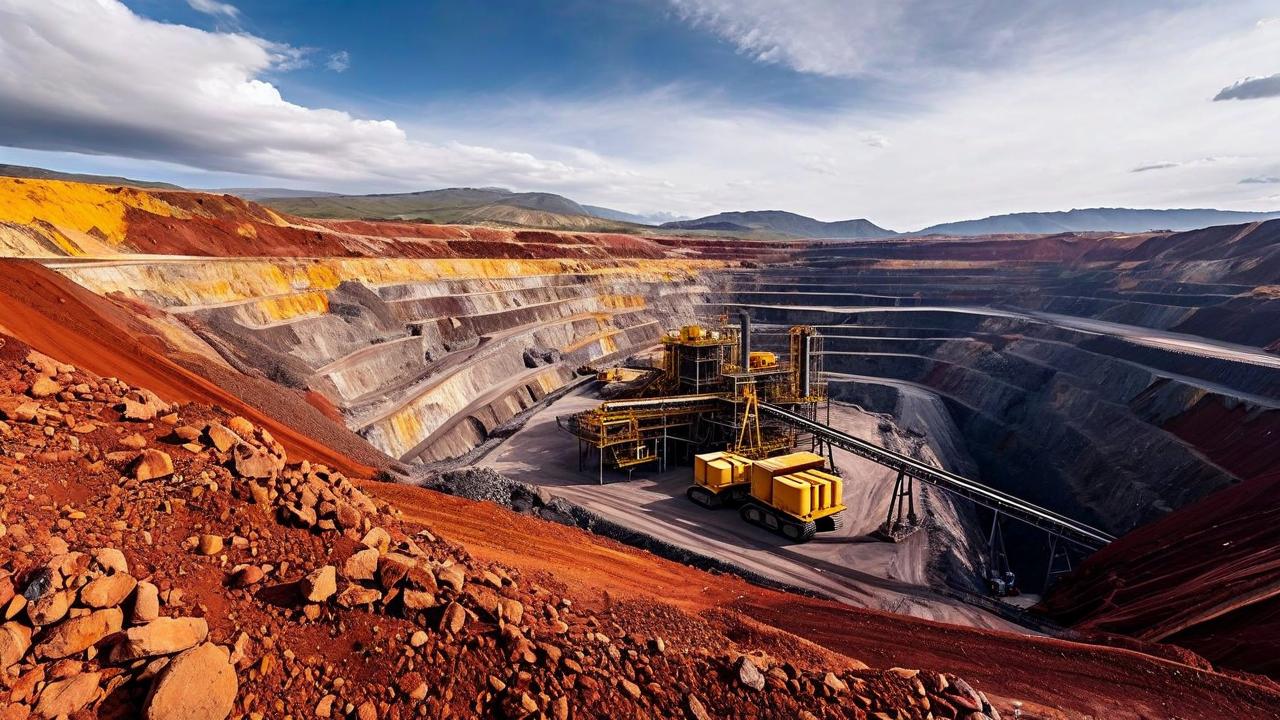
*this image is generated using AI for illustrative purposes only.
Newmont (NYSE: NEM) delivered a record $2.2 billion in free cash flow during the second quarter of 2026, driven by disciplined cost management and stable operations. The gold miner produced 1.3 million ounces of gold, generating $2.9 billion in cash flow from operations after working capital.
Adjusted EBITDA reached $3.8 billion, with adjusted net income at $2.10 per share. Newmont realized an average gold price of $4,414 per ounce, a significant increase from the prior year period. The company returned approximately $1.9 billion to shareholders through dividends and share repurchases since the last earnings call.
Operational Performance
Production was modestly ahead of expectations communicated in April, primarily due to earlier-than-expected output at Yanacocha and Lihir. These assets delivered approximately 50,000 ounces that were initially expected in the second half of the year. Nevada Gold Mines also contributed stable performance.
Newmont expects third-quarter production to remain broadly in line with the second quarter before picking up in the fourth quarter. This increase is anticipated as Lihir completes planned maintenance and Ahafo North reaches its full run rate. Approximately 49% of full-year production has been delivered in the first half, with 51% expected in the second half.
| Metric | Q2 2026 Figure |
|---|---|
| Gold Production | 1.3 million ounces |
| Copper Production | 17,000 tonnes |
| Silver Production | 7 million ounces |
| Average Gold Price | $4,414 per ounce |
| All-In Sustaining Costs | $1,621 per ounce |
Financial Highlights
Gold all-in sustaining costs were $1,621 per ounce on a byproduct basis, remaining well below the full-year guidance of $1,680 per ounce. Unit costs increased sequentially quarter over quarter due to lower production volumes, a lower byproduct contribution, higher Ghana royalties, and elevated diesel prices. Despite these pressures, absolute cost applicable to sales increased just 4% year over year, demonstrating significant operating leverage as the realized gold price rose approximately 33% or $1,100 per ounce.
Capital spending for 2026 remains on track to meet full-year targets. Sustaining capital investment in the quarter was $438 million, with spending expected to increase in the second half. Development capital stood at $285 million. The company maintains a net cash position of $3.4 billion, modestly above the upper end of its target range of $1 billion plus or minus $2 billion.
Capital Allocation
Newmont returned approximately $1.9 billion to shareholders through dividends and share repurchases since the last earnings call. In the calendar quarter alone, returns totaled approximately $1.8 billion, marking the second consecutive quarter where the company returned more than 80% of free cash flow generated.
The quarterly dividend remained unchanged at $0.26 per share. Under the current capital allocation framework, excess cash is directed toward share repurchases. Since launching the program over two years ago, Newmont has repurchased more than 100 million shares, reducing the share count by approximately 9%. Approximately $4.3 billion remains under the current $6 billion authorization approved in April.
What the Numbers Show
The divergence between revenue growth and cost inflation highlights Newmont’s margin expansion capability. While the realized gold price surged by roughly 33% year over year, absolute costs applicable to sales rose only 4%. This indicates that nearly the entire benefit of the higher commodity price flowed directly to the bottom line, rather than being absorbed by input inflation. Furthermore, with all-in sustaining costs at $1,621 against an average realized price of $4,414, the company maintained a substantial margin buffer even amid rising diesel prices and royalty impacts.
Strategic Updates
Newmont secured key regulatory approvals for the Red Chris block cave project in British Columbia, including an amended environmental assessment certificate achieved through a consent-based process with the Tahltan Nation. The company plans to complete the feasibility study and advance toward final investment decisions later this year. A $500 million investment from the Canadian government is under discussion, though terms are still being finalized.
At Cadia, recovery efforts following the April 14 seismic event progressed significantly. Production from operating caves resumed in mid-June, with development rates at PC12 returning to normal levels. Regulatory approvals are being sought to safely restart cave establishment at both project caves later in the year. Management expects no impact on full-year production guidance.
New executive appointments include Brian Tabold as Executive Vice President and Chief Financial Officer, Mark Rodgers as Chief Operating Officer, Dave Thornton as Chief Technical Officer, and David Fry as Executive Vice President, Project Development. These changes aim to strengthen leadership in financial, operational, and project development areas.
Discussions with Barrick regarding joint venture management issues continue, with Newmont committed to protecting shareholder interests. The company remains engaged with the Ghanaian government to develop agreements ensuring stability for future investments.

How might the finalization of the $500 million Canadian government investment terms for the Red Chris project impact Newmont's capital expenditure timeline and long-term production capacity?
What are the specific risks and timelines associated with restarting cave establishment at Cadia, and could regulatory delays there threaten the company's full-year production guidance?
Given the current net cash position of $3.4 billion exceeds the target range, will Newmont accelerate share repurchases or consider special dividends to return excess capital to shareholders in the near term?
 17
17










 Access 50+ Readymade Screeners
  Use 200+ Custom Filters
  Get Full Market Insights





