

Neuland starts first commercial peptide manufacturing module


- Neuland commences operations of first commercial peptide module with 7,000 L total reactor capacity
- Module one includes 750 L SPPS and 6,250 L LPPS capacity following a $30 million investment
- Module two planned with up to 18,000 L capacity, starting ahead of schedule pending customer finalisation
- Recent quarterly revenues rose 116% YoY driven by increased commercial and clinical projects

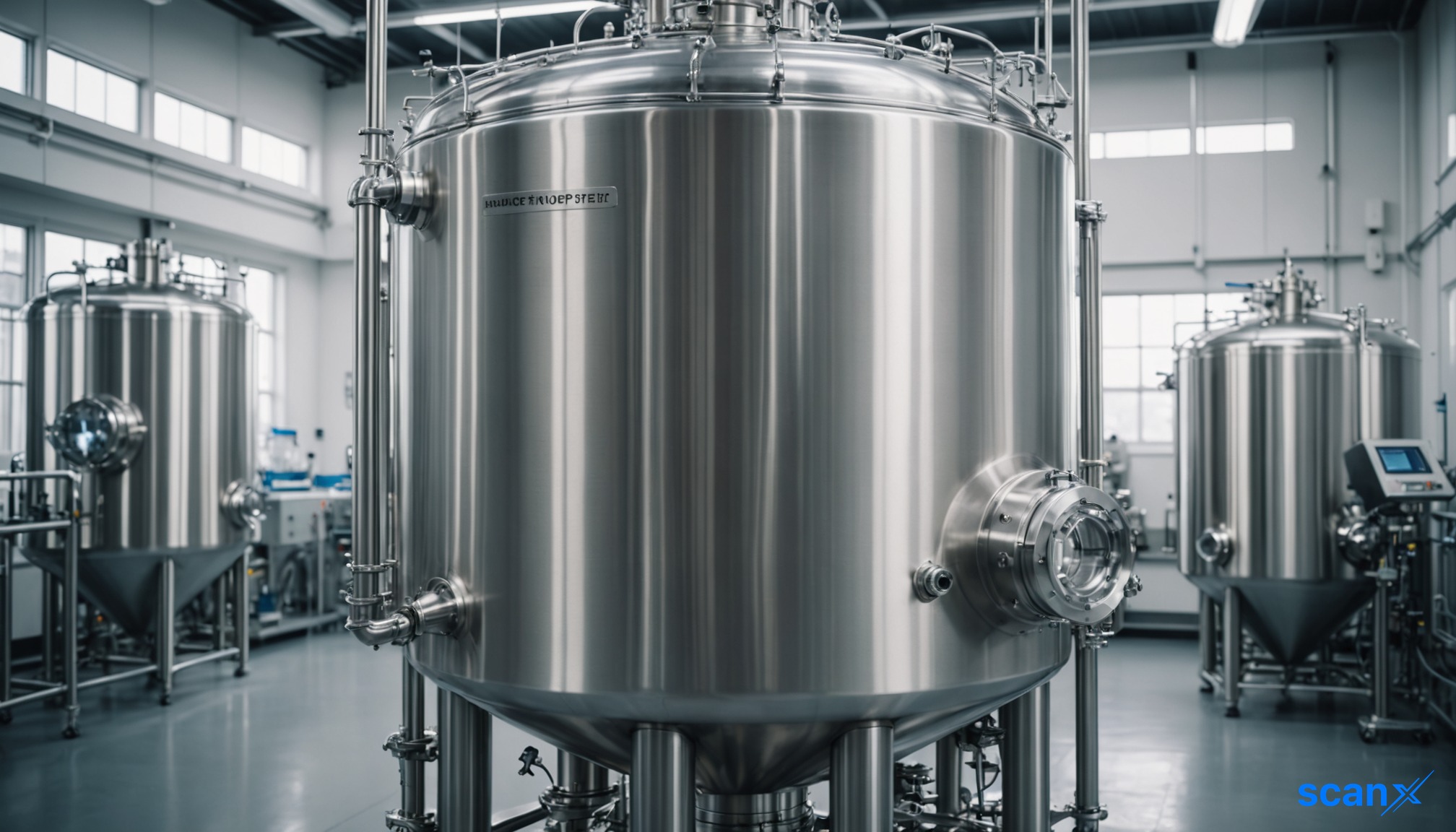

*this image is generated using AI for illustrative purposes only.
Neuland Laboratories Limited Neuland Laboratories commenced operations of its first commercial peptide manufacturing module on September 15, 2026. The facility supports the company’s strategy to expand capacity for complex molecule production.
The new module one provides 7,000 L total reactor capacity, split between 750 L of solid-phase peptide synthesis (SPPS) and 6,250 L of liquid-phase peptide synthesis (LPPS). This infrastructure enables flexible customer programmes ranging from small-scale batches to multikilogram quantities for complete peptide APIs, including complex and long-chain peptides.
Capacity Expansion Plans
Following a $30 million investment in module one, Neuland is aligning further investments with specific customer requirements. The company expects to begin work on module two ahead of the original timeline once customer needs are finalised.
Module two is planned to provide an overall reactor capacity of up to 18,000 L. This includes three 5,000 L LPPS reactors and either a 1,000 L or 2,000 L SPPS reactor, alongside smaller reactors up to the 1,000 L scale.
| Module | Total Reactor Capacity | SPPS Capacity | LPPS Capacity |
|---|---|---|---|
| Module One | 7,000 L | 750 L | 6,250 L |
| Module Two (Planned) | Up to 18,000 L | 1,000–2,000 L | Three 5,000 L reactors |
Operational Details
The SPPS and LPPS reactors are housed in separate suites to enable parallel operation. Support infrastructure includes three DAC columns (one 45 cm and two 60 cm) and two lyophilisers with capacities of 100 L and 200 L. A team of nearly 212 peptide experts supports module one.
Financial Context
Neuland reported that revenues rose by 116% in its most recent quarterly results. This growth was driven by increased commercial contracts and a growing number of clinical projects. The company is broadening its partner indications beyond obesity and metabolic disease, with oncology emerging as an active area of early-stage development.
Saharsh Davuluri, CEO & MD, stated the goal is to ensure capacity meets customer demand over the next decade as strategic partnerships deepen.
Historical Stock Returns for Neuland Laboratories
| 1 Day | 5 Days | 1 Month | 6 Months | 1 Year | 5 Years |
|---|---|---|---|---|---|
| -0.59% | -2.86% | -12.94% | +48.63% | +34.89% | +1,290.40% |

How will the accelerated timeline for Module Two impact Neuland's capital expenditure schedule and near-term cash flow requirements?
What specific regulatory hurdles or validation timelines might delay the commercialization of the new 18,000 L capacity once construction begins?
Given the expansion into oncology, how might shifting partner indications affect the mix of SPPS versus LPPS demand in the coming years?
 19
19









 Access Market Heat-map & Insights
  Create, Save & Share your Screener
  Use 200+ Screening Filters





