

National Oxygen Ltd Q1 Results: Net loss widens to ₹2.01 crore on plant shutdown


National Oxygen Ltd posted a Q1FY26 net loss of ₹200.64 lakh, up from ₹187.03 lakh YoY, as revenue fell nearly 60% to ₹304.50 lakh. The results reflect the impact of shutting down its Pondicherry liquid plant due to high operating costs and competition, leaving Industrial Gases as its sole business segment.


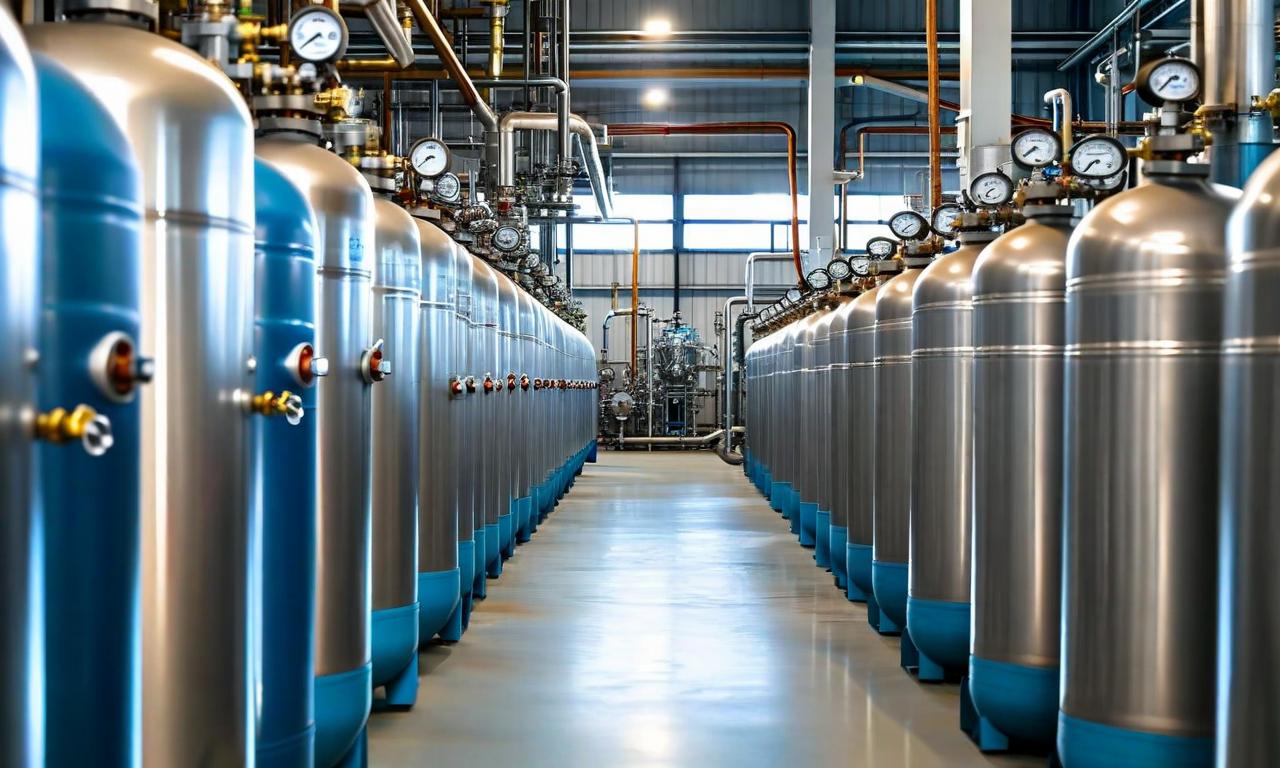
*this image is generated using AI for illustrative purposes only.
National Oxygen Limited reported a net loss of ₹200.64 lakh for the quarter ended June 30, 2026 (Q1FY26), widening from a loss of ₹187.03 lakh in the same period of FY25. The deterioration in profitability was primarily driven by a sharp decline in revenue and structural changes in operations, specifically the shutdown of its liquid plant in Pondicherry. This operational shift has significantly impacted the company’s cost structure and top-line growth prospects for the fiscal year.
The Board of Directors approved the unaudited standalone financial results on August 12, 2026, pursuant to Regulation 30 and Regulation 33 of the SEBI (Listing Obligations and Disclosure Requirements) Regulations, 2015. The results were reviewed by the Audit Committee and accompanied by a limited review report issued by the statutory auditors, PSDY & Associates. The financial statements were prepared in accordance with Indian Accounting Standard 34 (Ind AS 34) "Interim Financial Reporting".
Revenue from operations contracted sharply to ₹304.50 lakh in Q1FY26, down from ₹758.45 lakh in Q1FY25, representing a year-on-year decline of approximately 59.85%. Total income stood at ₹328.81 lakh, compared to ₹763.90 lakh in the corresponding previous period. Other income also saw a modest increase to ₹24.31 lakh from ₹5.45 lakh a year ago.
| Metric | Q1FY26 (₹ Lakh) | Q1FY25 (₹ Lakh) | Change |
|---|---|---|---|
| Revenue from Operations | 304.50 | 758.45 | -59.85% |
| Total Income | 328.81 | 763.90 | -56.96% |
| Total Expenses | 529.45 | 950.92 | -44.32% |
| Net Loss | (200.64) | (187.03) | Widened |
| Earnings Per Share | (3.98) | (3.71) | Deteriorated |
Total expenses amounted to ₹529.45 lakh, down from ₹950.92 lakh in Q1FY25. However, the reduction in expenses did not offset the drop in revenue, leading to a pre-tax loss of ₹200.64 lakh. Key expense components included employee benefit expenses of ₹56.73 lakh, financial costs of ₹46.03 lakh, and depreciation & amortisation of ₹54.56 lakh. Power and fuel costs remained significant at ₹91.37 lakh, while other expenditure stood at ₹150.74 lakh.
Operational Impact
The financial performance was heavily influenced by strategic operational decisions. Note 5 of the financial results states that the company stopped liquid plant operations at its Pondicherry unit effective April 6, 2026. This decision was taken due to severe competition and a steep hike in various operating expenses, including power costs, maintenance, and transportation. Consequently, the company now operates only one reportable primary business segment: Industrial Gases.
What the Numbers Show
The divergence between the revenue decline (-59.85%) and the expense reduction (-44.32%) highlights the fixed-cost burden remaining after the Pondicherry plant shutdown. While variable costs associated with the liquid plant have ceased, significant overheads such as employee benefits, financial costs, and depreciation persist. The widening net loss indicates that the cost savings from the shutdown have not yet fully materialized into improved margins, or that the revenue lost from the unit outweighs the saved operational costs in the short term. Investors should monitor whether the streamlined operations lead to margin stabilization in subsequent quarters.
Historical Stock Returns for National Oxygen
| 1 Day | 5 Days | 1 Month | 6 Months | 1 Year | 5 Years |
|---|---|---|---|---|---|
| +3.47% | +5.00% | +4.72% | -15.24% | -45.88% | -17.61% |

How will National Oxygen Limited plan to offset the 60% revenue drop from the Pondicherry plant shutdown to stabilize its top-line growth in FY26?
What specific measures is management implementing to reduce the remaining fixed costs, such as employee benefits and depreciation, to improve margin efficiency?
Will the company pursue asset monetization or divestment of non-core assets to alleviate its financial cost burden and improve cash flow?
 17
17









 Access Market Heat-map & Insights
  Create, Save & Share your Screener
  Use 200+ Screening Filters





