

Mukka Proteins to scale Bengaluru wet waste facility to 1,000 TPD by Dec 2027


- Mukka Proteins plans to expand its Bengaluru wet waste facility to 1,000 TPD by December 2027
- Current intake is 200 TPD, with a target of 400 TPD by March 2027
- The facility uses Black Soldier Fly bioconversion to produce insect protein, oil, compost, and humic acid
- The process achieves 80% mass reduction of raw organic waste within a 10 to 14-day cycle

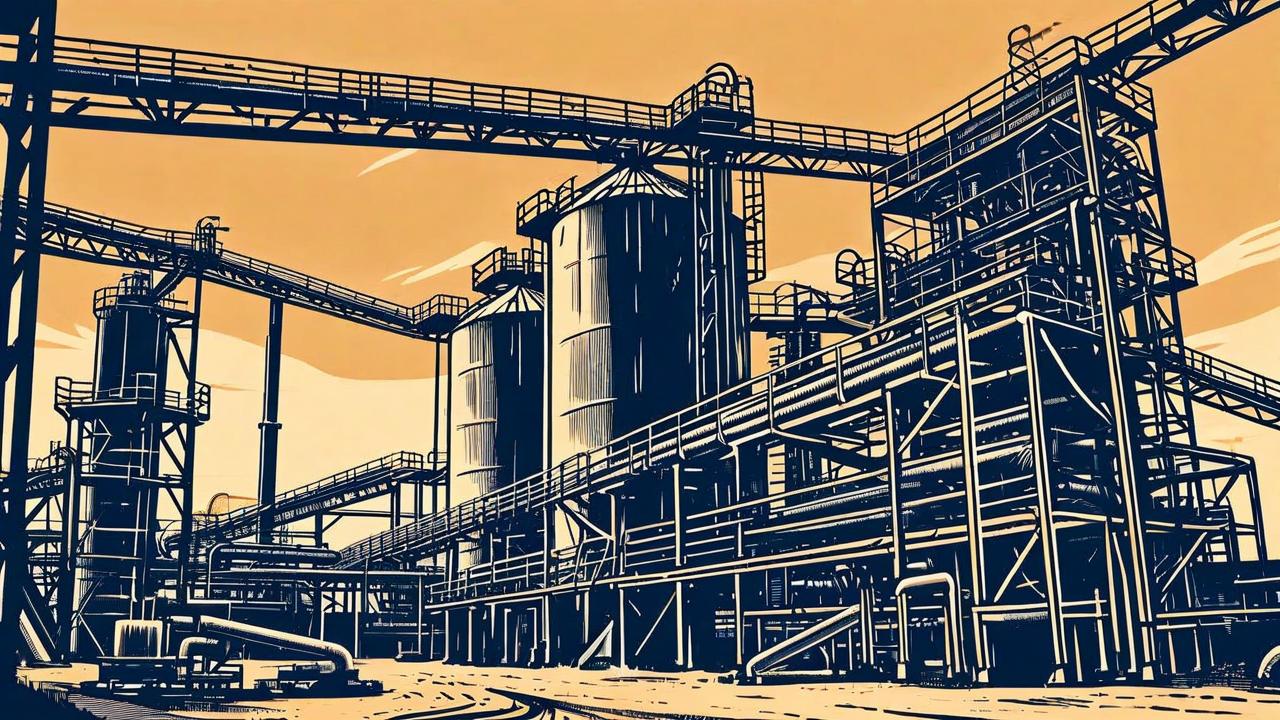

*this image is generated using AI for illustrative purposes only.
Mukka Proteins announced plans to expand its Bengaluru wet waste conversion facility to a peak capacity of 1,000 tonnes per day (TPD) by December 2027. The company utilizes Black Soldier Fly (Hermetia illucens) bioconversion to process municipal organic waste into insect protein, oil, compost, and humic acid.
The facility currently operates at an intake of 200 TPD. Mukka Proteins expects to reach 400 TPD by March 2027 before scaling gradually to the final target. This expansion complements the company’s existing animal nutrition manufacturing footprint, which includes over 2,91,720 MTPA of conventional marine protein and oil processing capacity across India and Oman.
Processing Efficiency & Output
The bioconversion process achieves an 80% mass reduction of raw organic waste within a 10 to 14-day cycle. The facility transforms urban waste into four primary revenue streams:
- Insect Protein Meal: Contains >50% crude protein for aquafeed and poultry.
- Insect Oil: Rich in medium-chain triglycerides for animal nutrition and oleochemicals.
- Frass Compost: Organic fertilizer enriched with natural chitin.
- Humic Acid: Bio-stimulants for crop root absorption and drought resilience.
Market Context
Bengaluru generates over 4,000 metric tonnes of solid waste daily, with 50% to 60% being biodegradable wet waste. The global insect meal and lipids market is projected to exceed $3.5 billion by 2030. Meanwhile, the global agricultural bio-stimulant market is growing at an 11%+ CAGR, driven by synthetic fertilizer restrictions.
What the Numbers Show
The phased capacity ramp-up from 200 TPD to 1,000 TPD over approximately 18 months indicates a five-fold increase in processing volume. Given the stated 80% mass reduction efficiency, this expansion significantly amplifies the volume of high-value derivatives (protein and oil) relative to the input waste stream, leveraging the company’s existing export-grade certifications.
ESG Integration
The project aligns with carbon credit verification frameworks, including Verra registry standards. By diverting organic streams from anaerobic landfills to aerobic bioconversion, the facility mitigates fugitive greenhouse gas emissions while creating verifiable ESG revenue streams.
Historical Stock Returns for Mukka Proteins
| 1 Day | 5 Days | 1 Month | 6 Months | 1 Year | 5 Years |
|---|---|---|---|---|---|
| +3.27% | +1.87% | -15.54% | +20.01% | +2.10% | -35.69% |

How will Mukka Proteins secure the consistent supply of 1,000 TPD of wet waste from Bengaluru municipal authorities to support its 2027 capacity target?
What is the projected timeline for monetizing carbon credits through Verra registry standards, and what percentage of total revenue could this ESG stream represent by 2030?
Given the 5-fold increase in processing volume, how does the company plan to manage the significant capital expenditure and operational scaling risks associated with reaching 1,000 TPD?
 18
18







 Access 50+ Readymade Screeners
  Use 200+ Custom Filters
  Get Full Market Insights





