

Trump unveils $15 billion Iowa steel plant, first major in 50 years


- Trump unveiled a $15 billion steel plant in Iowa, described as the largest of its kind in the US, with production targeted to begin in 2030
- Mesabi Metallics, owned by India's Essar Group, will build the facility with an annual output target of 10 million tons
- The Export-Import Bank would provide up to $10 billion in financing; the plant will be supplied by a $2.5 billion iron ore mine along Minnesota's Mesabi Iron Range
- The project is expected to create 1,750 permanent jobs in Iowa, support up to 6,000 construction jobs, and generate $95 billion for the US economy over the next decade
- Trump credited 50% steel import tariffs for the revival, while US manufacturing activity expanded for the eighth straight month in August with ISM PMI at 54.60%

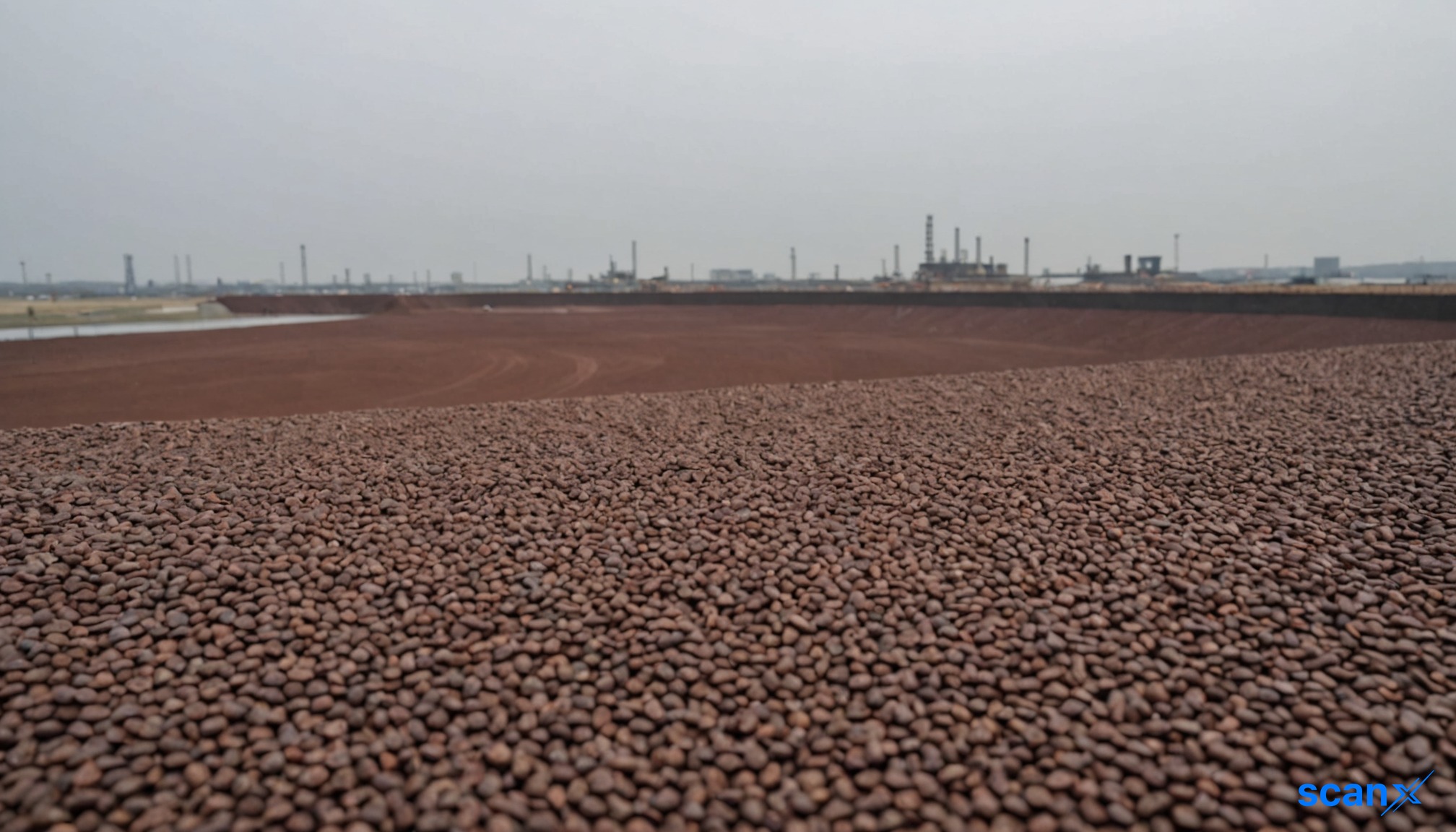

*this image is generated using AI for illustrative purposes only.
Trump unveiled a $15 billion steel plant in Iowa, describing it as the "largest" of its kind in the US, with Mesabi Metallics set to build the facility targeting 10 million tons of annual output and production slated to begin in 2030.
The announcement was made during an Oval Office event with steel executives and Iowa Republicans. Energy Secretary Chris Wright called the investment a "massive economic win" in a key battleground state. Trump emphasized that the steel will be mined, melted, and made entirely in the US, calling it "something very unusual."
Project highlights
Mesabi Metallics, a Minnesota-based company owned by India's Essar Group, will undertake construction of the new facility. The plant will be supplied by a newly developed $2.5 billion iron ore mine along Minnesota's Mesabi Iron Range, opened on September 17. The Export-Import Bank (EXIM) would provide up to $10 billion in financing to support Mesabi Metallics' expansion. The key details of the project are as follows:
| Parameter | Details |
|---|---|
| Location | Iowa |
| Project cost | $15 billion |
| Target annual output | 10 million tons |
| Production start | 2030 |
| Permanent jobs in Iowa | 1,750 |
| Construction jobs supported | Up to 6,000 |
| Manufacturing and mining jobs | 2,000 |
| Projected economic addition | $95 billion over the next decade |
| EXIM financing | Up to $10 billion |
| Iron ore mine investment | $2.5 billion |
Economic and employment impact
The project is positioned as a major contributor to US industrial capacity. The new plant is expected to create 1,750 permanent jobs in Iowa and support up to 6,000 construction jobs. Trump also stated it would create 2,000 new manufacturing and mining jobs. Over the next decade, the project is projected to generate $95 billion for the US economy.
Trump credits steel tariffs
Trump attributed the resurgence of the American steel industry to the "powerful 50%" tariffs he imposed on steel imports. "Now our steel industry is roaring back to life. Everyone's building their plant here because they don't want to pay tariffs. It's really not that complicated," he said. While the Supreme Court struck down many of his tariffs, duties on imported steel and aluminum remained in place. In June, Trump amended the Section 232 national security tariffs on certain aluminum, steel, and copper imports and lowered tariffs on some steel and aluminum derivative products from 25% to 15%. Under the proclamation, foreign companies could qualify for a 10% tariff if at least 85% of the steel or aluminum in their capital equipment is US-melted and poured or smelted and cast.
US manufacturing continues to expand
The steel plant announcement comes as US manufacturing activity expanded for the eighth straight month in August, although the ISM Manufacturing PMI eased to 54.60% from 55.60% in July. New orders, backlogs, and imports declined, while production remained strong and prices stayed elevated at 71.10%. The National Association of Manufacturers (NAM) reported that manufacturers contributed $3 trillion to the US economy at an annualized rate in the first quarter of 2026, while the sector employed nearly 12.6 million workers.

How will the $10 billion EXIM financing facility impact Mesabi Metallics' leverage ratios and overall project risk profile?
What specific supply chain bottlenecks could delay the 2030 production start date for the 10 million ton capacity target?
How might the recent reduction of derivative product tariffs to 15% affect the competitive advantage of this new domestic plant?
 19
19



 Create Custom Screeners
  Access 200+ Pre-built Filters
  Use 50+ Readymade Screener





