

Maruti Suzuki raises prices on select models by up to ₹20,000 in September


- Maruti Suzuki India Limited announced a price hike of up to ₹20,000 on select models
- The price increase becomes effective in September 2026
- The decision follows sustained increases in input costs and elevated inflation
- The company had previously attempted to mitigate costs through internal measures

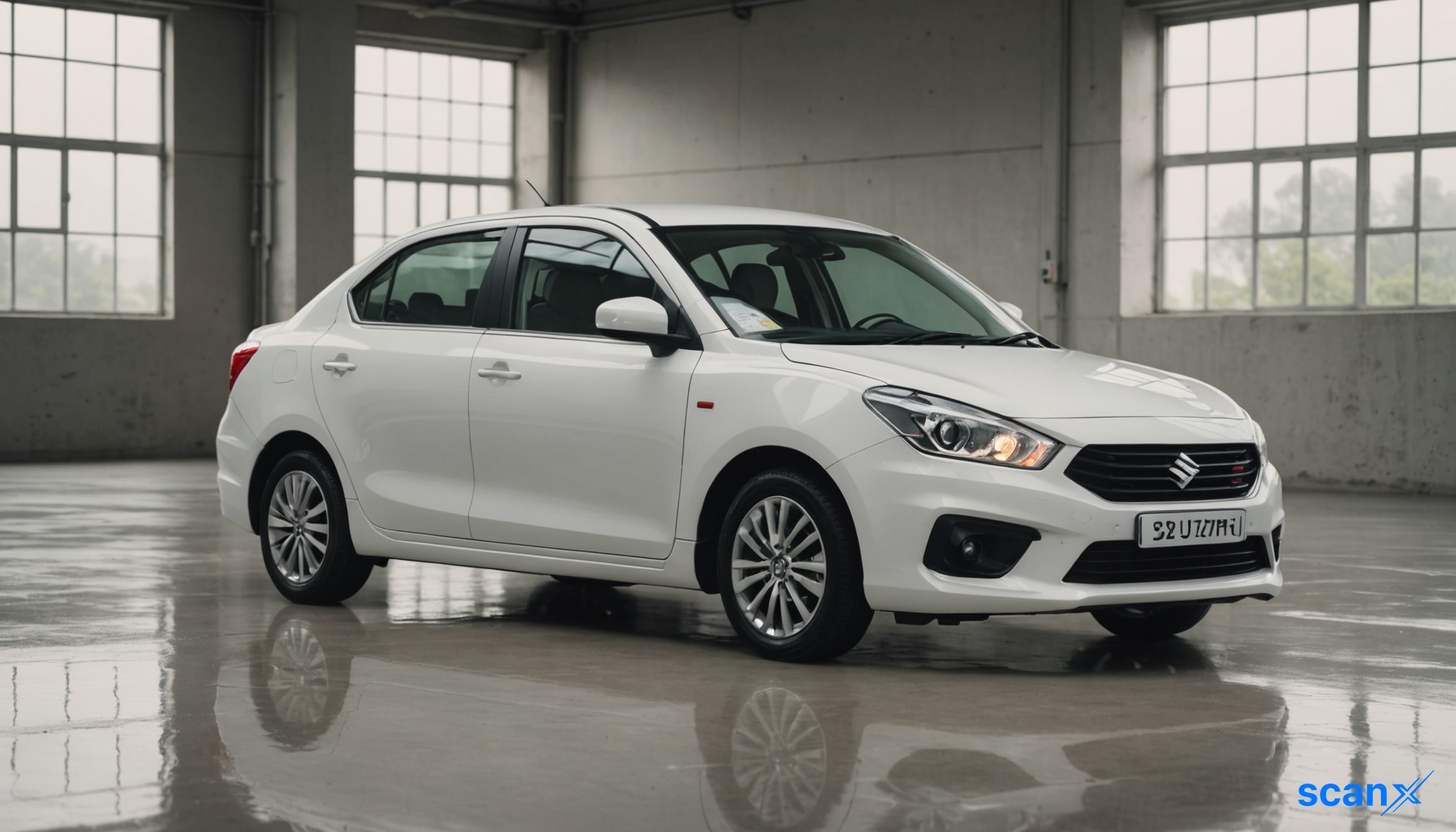

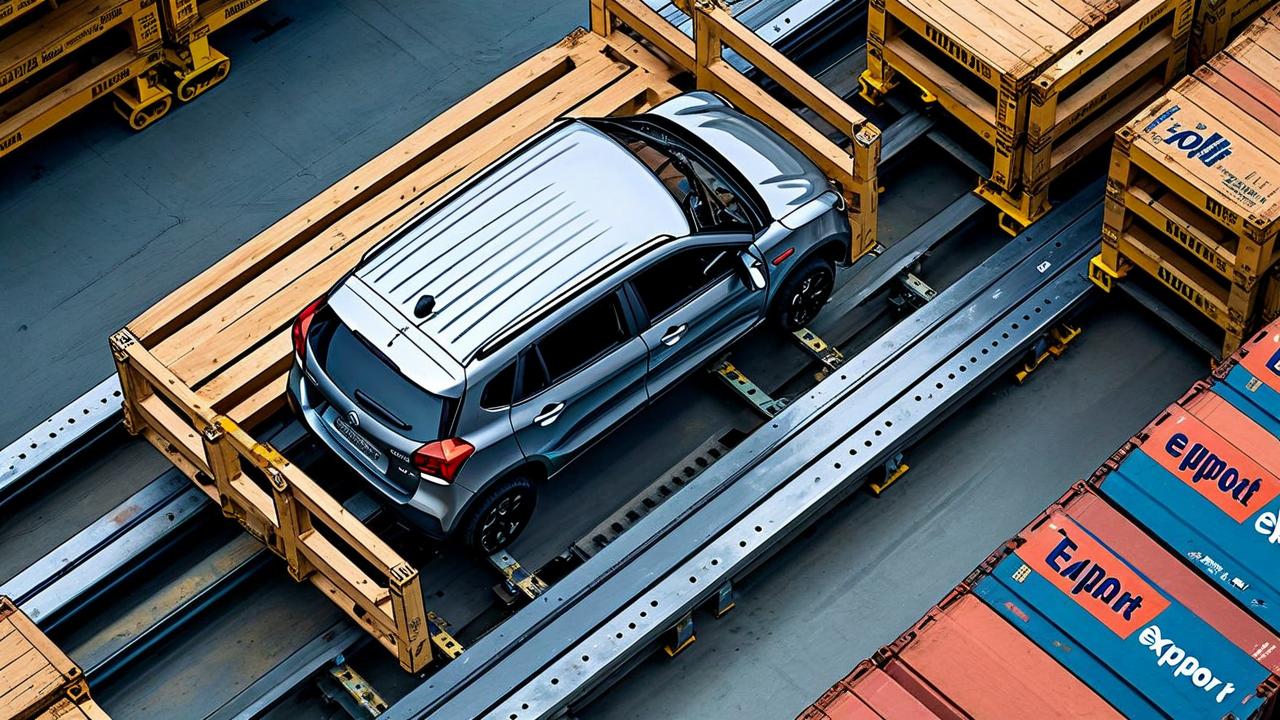
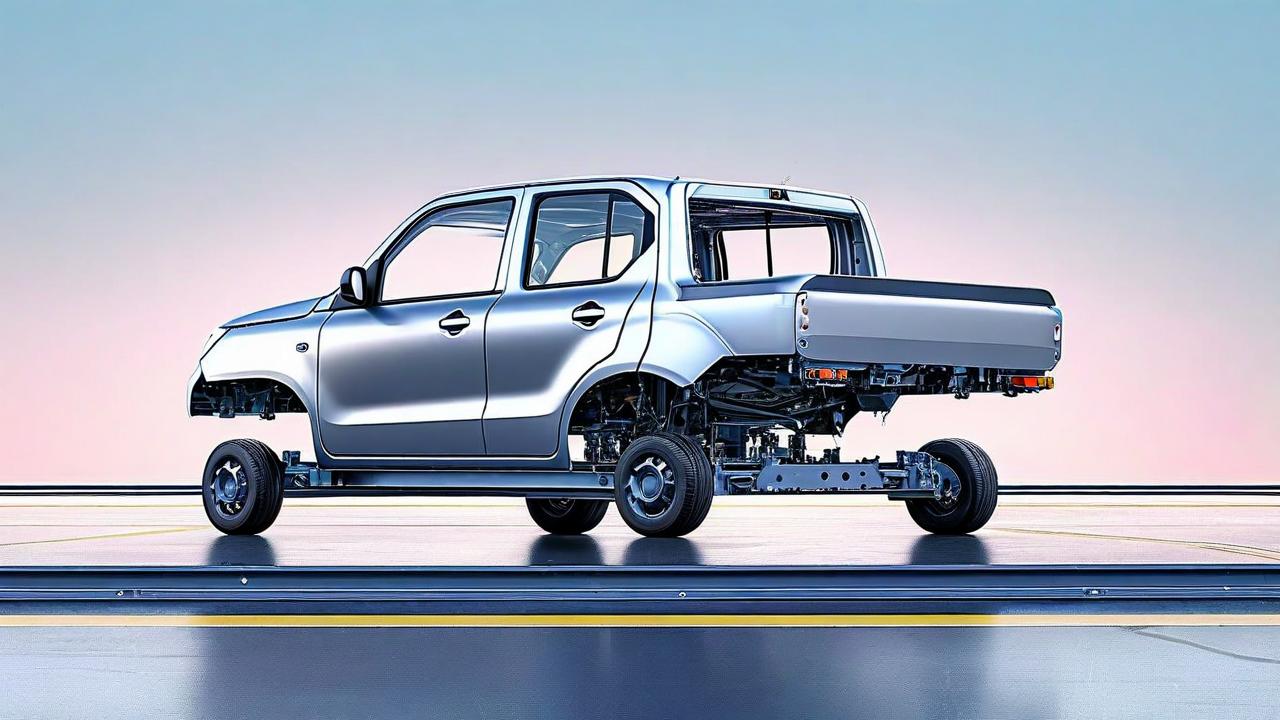
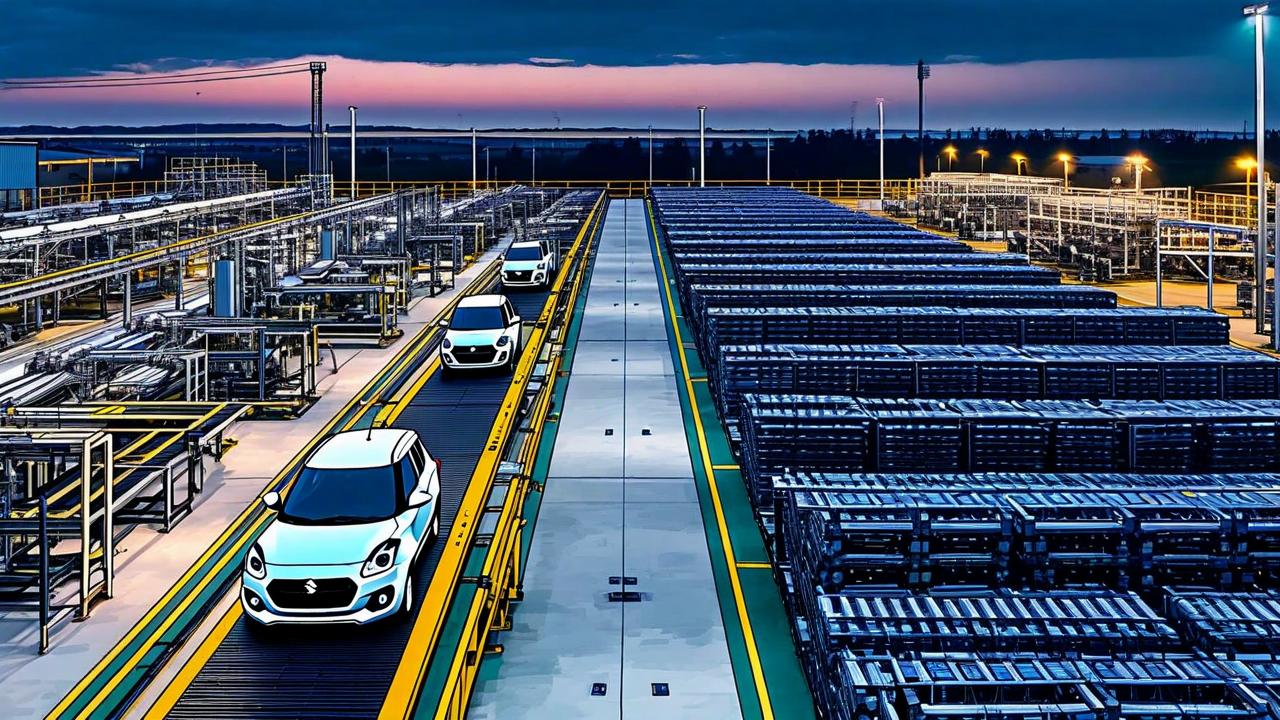
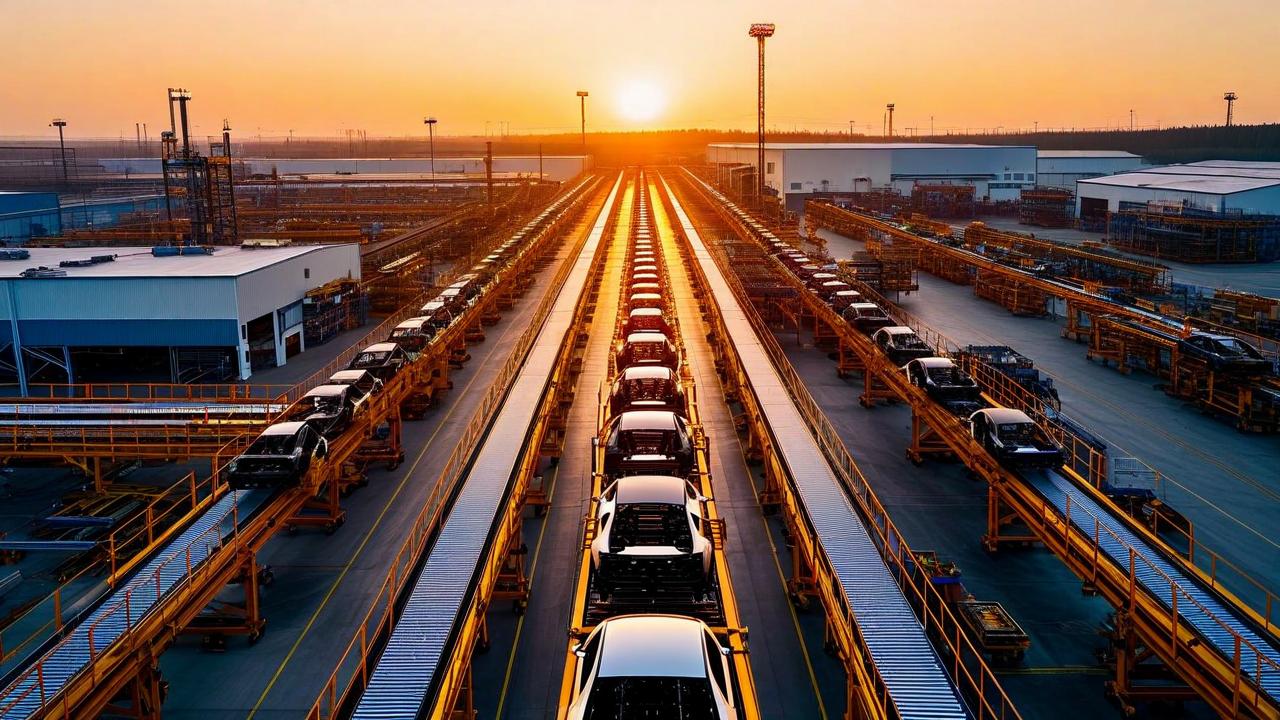
*this image is generated using AI for illustrative purposes only.
Maruti Suzuki India Limited will raise prices on certain models by up to ₹20,000, effective September 2026. The automaker cited continuous sustained increases in input costs and elevated inflationary burdens as the primary drivers for the revision.
Price revision details
The price increase applies to select models within Maruti Suzuki's lineup. While the specific vehicles affected have not been detailed, the company confirmed the maximum hike stands at ₹20,000 per model.
| Parameter | Details |
|---|---|
| Maximum price increase | ₹20,000 |
| Models affected | Certain models |
| Effective date | September 2026 |
| Primary driver | Rising input costs |
Context behind the hike
In its exchange filing dated September 7, 2026, Maruti Suzuki noted that it had been making continuous efforts to mitigate cost impacts through internal cost reduction measures over the past few months. However, with the adverse cost environment enduring, the company stated it is constrained to pass on a portion of the increased costs to the market.
The company emphasized that it aims to keep the impact on customers to the minimum extent possible. Sanjeev Grover, Executive Officer & Company Secretary, signed the intimation sent to the National Stock Exchange of India Limited and BSE Limited.
Historical Stock Returns for Maruti Suzuki
| 1 Day | 5 Days | 1 Month | 6 Months | 1 Year | 5 Years |
|---|---|---|---|---|---|
| +1.71% | +0.30% | -9.66% | -16.04% | -28.68% | +53.70% |

How might this price hike impact Maruti Suzuki's market share in the highly competitive Indian passenger vehicle segment?
Will competitors like Hyundai, Tata Motors, and Mahindra & Mahindra follow suit with similar price adjustments to protect their margins?
What specific input costs (e.g., steel, aluminum, semiconductors) are driving the inflationary pressure, and are these trends expected to persist into 2027?
 18
18





 Access Market Heat-map & Insights
  Create, Save & Share your Screener
  Use 200+ Screening Filters





