

Maruti Suzuki inaugurates Kharkhoda plant with ₹35,000 crore investment


Maruti Suzuki India Limited inaugurated its advanced Kharkhoda manufacturing facility in Haryana on 02 July 2026, with a capacity of 0.5 million units scaling to 1 million units via a ₹35,000 crore investment. The plant features Industry 5.0 technologies, 100% renewable energy, and zero liquid discharge, while creating over 21,000 jobs. The company's total manufacturing capacity is expected to reach 2.9 million units by FY 2026-27.


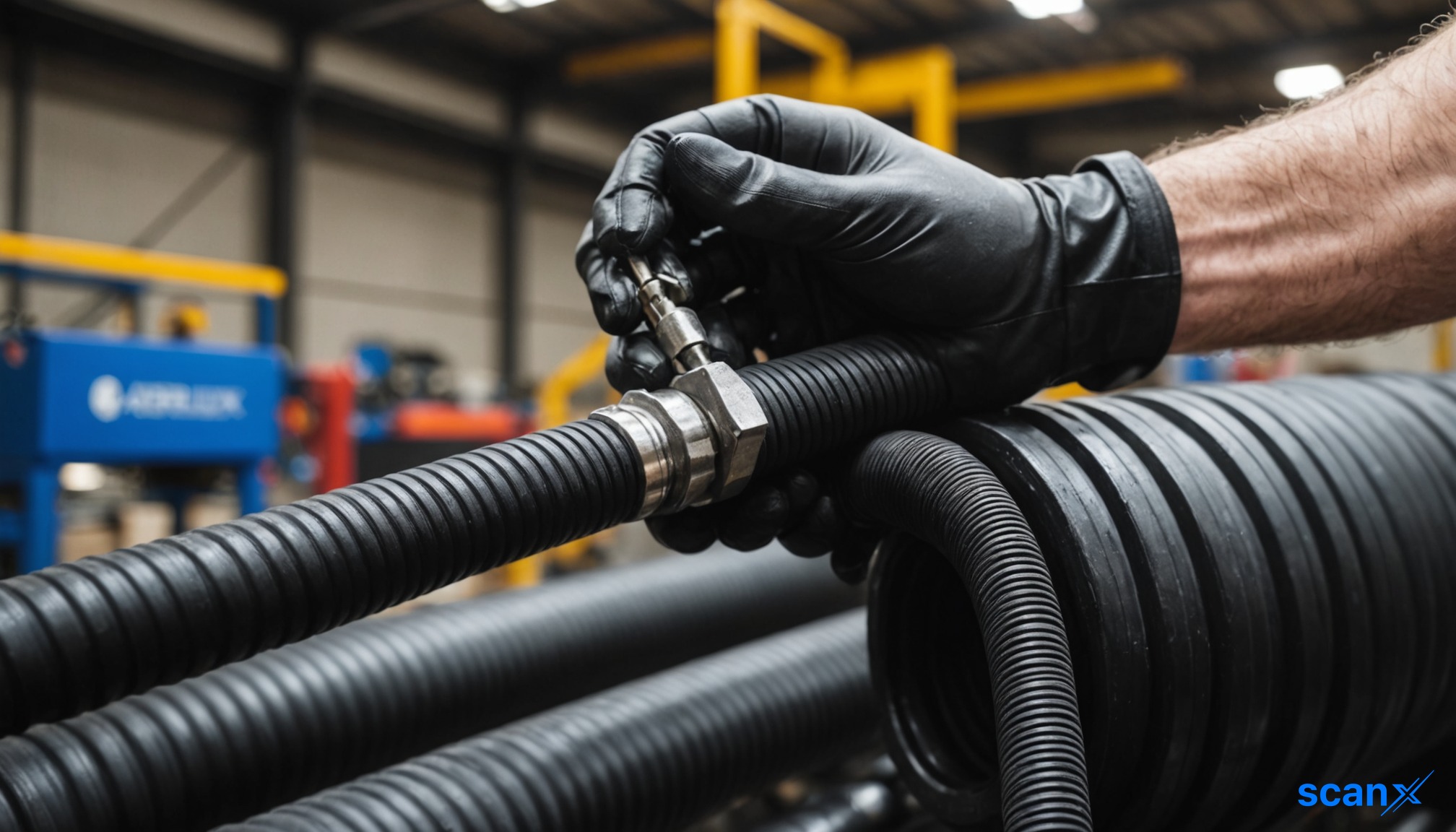
*this image is generated using AI for illustrative purposes only.
Maruti Suzuki India Limited inaugurated its most advanced vehicle manufacturing facility at IMT Kharkhoda, Haryana, on 02 July 2026. The inauguration was conducted by Hon'ble Prime Minister Shri Narendra Modi and the Prime Minister of Japan, H.E. Ms. Sanae Takaichi, during the India-Japan Joint Economic Forum in New Delhi through video conferencing. This facility marks a significant milestone in the company's over four-decade journey in India, strengthening the India-Japan partnership. The plant is spread over 800 acres and includes an integrated supplier park. It currently has a capacity of 0.5 million units, which will scale up to 1 million units with a total projected investment of ₹35,000 crore. At full capacity, the facility will be among the world's largest vehicle manufacturing sites and a key contributor to the company's ambition of achieving four million units of annual production capacity. The project is expected to create over 21,000 jobs, including partners at the supplier park.
Suzuki Smart Factory and Sustainability
The Kharkhoda facility is built on the 'Suzuki Smart Factory' concept, leveraging advanced digital technologies for real-time visualization of operations to enhance safety, quality, and productivity while minimizing energy consumption. The plant integrates Industry 5.0 practices, including human-aware collaborative robots (COBOTS), to enable seamless human-machine collaboration. Sustainability is a core focus, with 100% of the facility's electricity requirements met through renewable energy, combining solar power and green power procurement. The installed solar capacity is currently 20 MWp, set to scale up to 70 MWp by 2030. Additionally, a 10 TPD biogas plant and a 1 MWh Battery Energy Storage System are being installed to support sustainable operations.
The facility operates as a zero liquid discharge plant, ensuring 100% recycling of water. Nearly two-thirds of its overall water requirement is met through recycled water and rainwater harvesting. To reduce fuel consumption in vehicle transportation, an in-plant railway siding will be established, similar to the existing infrastructure at the company's facilities in Manesar and Hansalpur.
India-Japan Partnership and Global Manufacturing
Mr. Toshihiro Suzuki, Representative Director & President, Suzuki Motor Corporation, highlighted that the plant is a testament to the India-Japan partnership and the Make-in-India initiative. He noted that Suzuki's first Battery Electric Vehicle, the e VITARA, is manufactured exclusively at Maruti Suzuki's Gujarat plant for exports to 100 countries. This has made Suzuki the largest car importer in Japan, reflecting growing global trust in India's manufacturing capabilities under the 'Make in India, Make for the World' initiative.
Manufacturing Footprint
The company's total manufacturing capacity includes existing plants in Gurugram, Manesar, and Hansalpur, alongside the new Kharkhoda facility. The table below provides a breakdown of plant-wise capacity:
| Plants & Capacity Break-up | Capacity |
|---|---|
| Gurugram | 0.5 million units |
| Manesar | 0.9 million units |
| Hansalpur | 0.75 million units |
| Kharkhoda | 0.5 million units |
| Expected Capacity by FY 2026-27 | 2.9 million units |
Community Development and Skill Building
As part of its community development initiatives, Maruti Suzuki is implementing projects in 10 villages near the Kharkhoda facility, focusing on education, infrastructure, healthcare, and sanitation. The company has set up four Japan-India Institutes for Manufacturing (JIMs) to create a skilled workforce. Since inception, 2,600 students have been cumulatively trained across these institutes. The company plans to build student hostel facilities at JIM Sonipat and Manesar to support residential training needs.
Source: https://lodr-files.dhan.co/lodr-inputs/Company/INE585B01010/eebe8f356edc4af6.pdf
Historical Stock Returns for Maruti Suzuki
| 1 Day | 5 Days | 1 Month | 6 Months | 1 Year | 5 Years |
|---|---|---|---|---|---|
| +1.71% | +0.30% | -9.66% | -16.04% | -28.68% | +53.70% |

How will the gradual scaling of Kharkhoda's capacity to 1 million units impact Maruti Suzuki's market share against domestic and international competitors?
What specific vehicle models or segments are prioritized for production at the new Kharkhoda facility to meet the 4 million annual production target?
Will the successful implementation of the 'Suzuki Smart Factory' concept at Kharkhoda lead to similar technological upgrades at the existing Gurugram, Manesar, and Hansalpur plants?
 18
18









 Create Custom Screeners
  Access 200+ Pre-built Filters
  Use 50+ Readymade Screener





