

Maruti Suzuki CEO Outlines 4 Million Unit Production Target and SUV Expansion Plans


Maruti Suzuki's CEO presented comprehensive business update highlighting record production performance of 2.10 million units in FY25 and ambitious target of 4 million units annual capacity by 2030. The company plans to launch 7 new SUVs over next 5-6 years while expanding manufacturing facilities and maintaining strong market position across multiple segments.

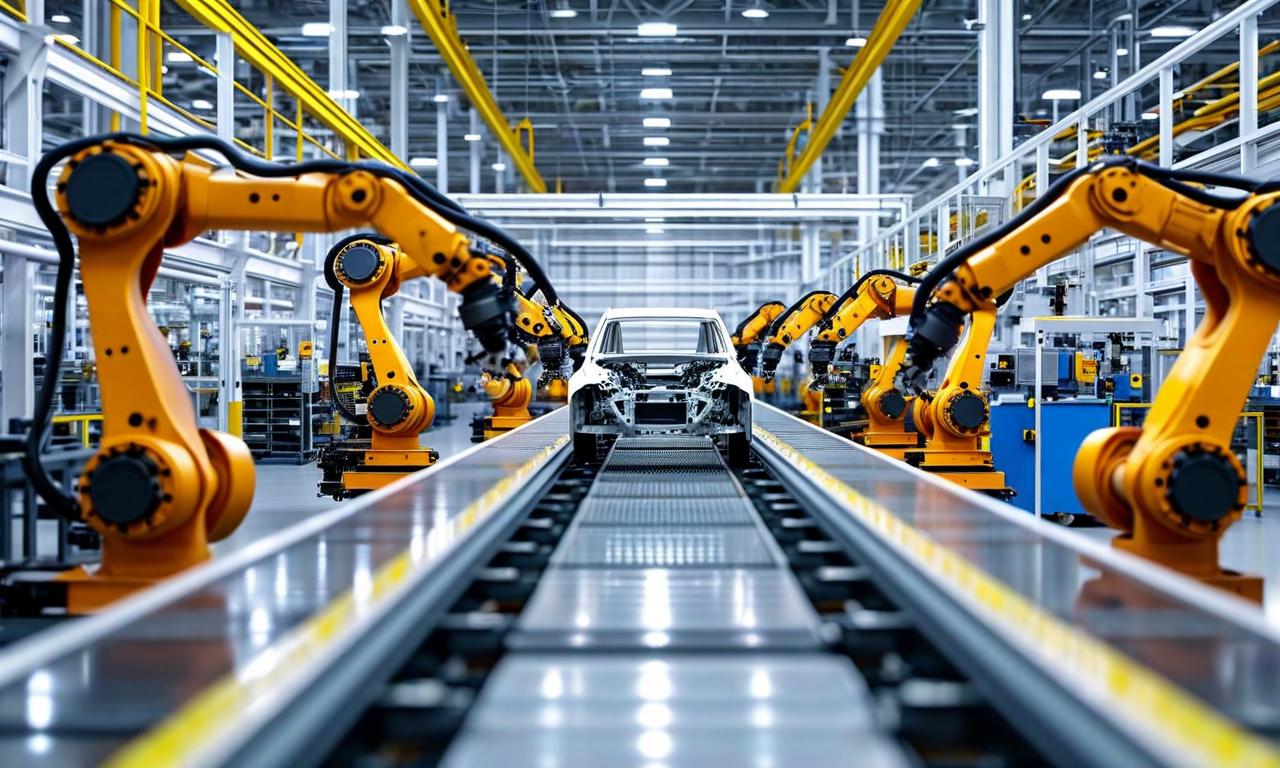

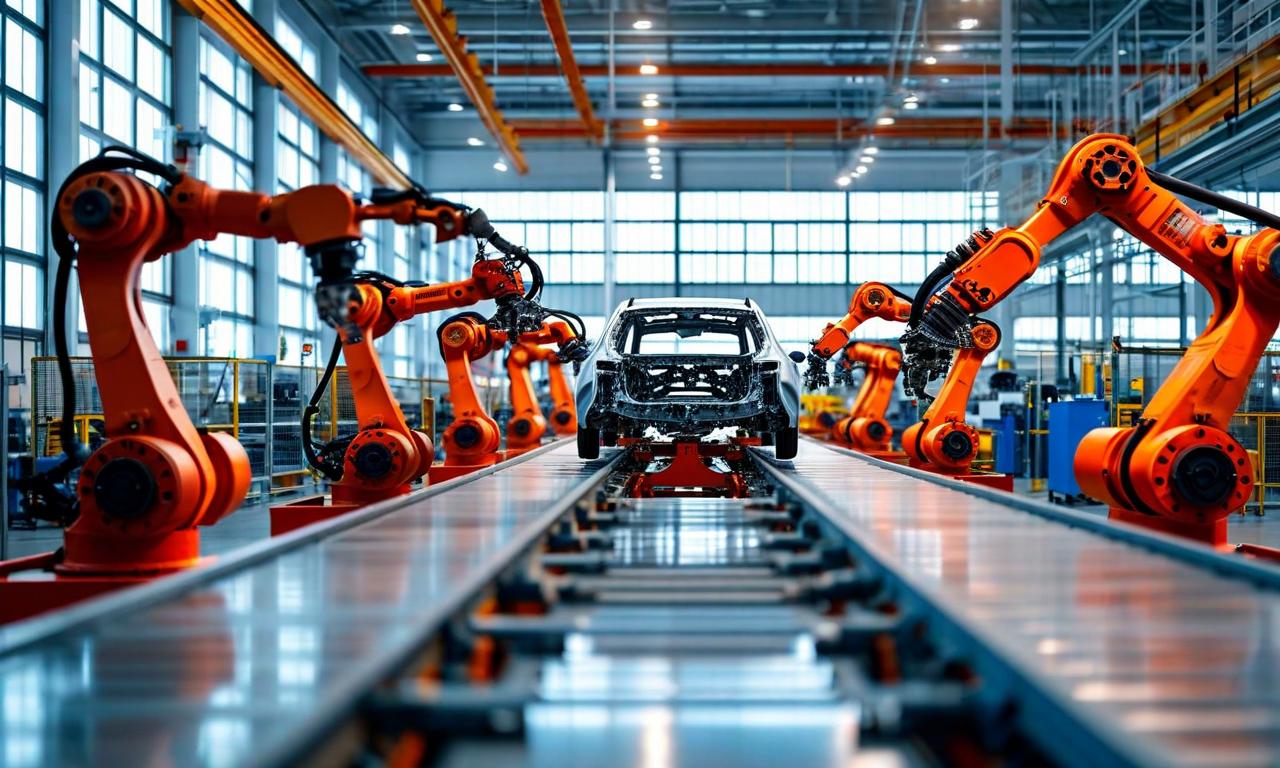
*this image is generated using AI for illustrative purposes only.
Maruti Suzuki India Limited's Managing Director & CEO Hisashi Takeuchi presented a comprehensive business update on March 17, 2026, outlining the company's strategic vision and operational achievements in the Indian automotive market. The presentation covered key developments across production, sales performance, and future growth initiatives, with particular emphasis on ambitious production targets and SUV portfolio expansion.
Record Production Performance and Future Capacity Plans
The company achieved significant production milestones in FY 24-25, delivering record-high production numbers and setting ambitious targets for future expansion. Maruti Suzuki aims to produce 4 million units per year in India to fulfill both domestic demand and export requirements.
| Production Metrics: | Details |
|---|---|
| FY 24-25 Production: | 2.10 million units |
| Year-on-Year Growth: | 6% |
| Cumulative Production: | 30 million units |
| Target Annual Capacity by 2030: | 4 million units |
The production expansion strategy involves strengthening the manufacturing base across multiple facilities. The Kharkhoda Plant commenced operations in February 2025, while plans are underway for a fourth line at Hansalpur Plant starting FY2026, adding 250,000 units capacity. A new Gujarat Plant is scheduled to begin operations from FY2028.
GST Reform Impact and Market Performance
Significant GST reforms were implemented in September 2025, creating substantial market impact and opportunities for growth.
| GST Implementation Timeline: | Event |
|---|---|
| August 15: | PM Modi announced GST revisions |
| September 3: | GST Committee announced tax rates |
| September 22: | New GST implementation |
The GST reforms resulted in notable changes to vehicle taxation structure, with different rates applied based on vehicle specifications including length, engine displacement, and ground clearance. Post-GST implementation, the company achieved strong market performance with passenger vehicles gaining 40.7% market share.
SUV Portfolio Expansion and Market Share Growth
The company has strategically expanded its SUV lineup to capture the rapidly growing utility vehicle segment in the Indian market. Maruti Suzuki aims to launch 7 new SUVs over the next 5-6 years as part of its expansion strategy.
| SUV Market Performance: | Details |
|---|---|
| MSIL SUV Market Share FY 19-20: | 16.80% |
| MSIL SUV Market Share FY 25-26: | 19.60% |
| New SUV Launches Planned: | 7 models over next 5-6 years |
Key recent launches include the e VITARA (February 2026), VICTORIS (September 2025), which won the Indian Car of the Year (ICOTY) 2026 award, Jimny (June 2023), FRONX (April 2023), and Grand Vitara (September 2022).
Sales Network Expansion and Customer Targeting
Maruti Suzuki has significantly expanded its sales infrastructure to reach customers across diverse market segments and geographical locations.
| Sales Network Metrics: | Count |
|---|---|
| Total Sales Outlets (Dec 2025): | 4,487 |
| True Value Dealerships: | 637 |
| Arena Outlets Growth: | Expanding across main, emerging, non-urban segments |
| NEXA Studios: | Compact outlets for small-medium cities |
The company operates through three distinct sales channels: Maruti Suzuki Arena, NEXA, and Commercial, each tailored to specific customer segments and regional characteristics.
Multi-Pathway Carbon Neutrality Strategy
Maruti Suzuki has adopted a comprehensive multi-pathway approach toward achieving carbon neutrality, incorporating various technologies and fuel alternatives.
| Technology Pathways: | Applications |
|---|---|
| Battery Electric Vehicles (BEV): | e VITARA with 49kWh/61kWh options |
| Hybrid Electric Vehicles (HEV): | Strong HEV and Mild HEV variants |
| Compressed Natural Gas (CNG): | 15 models out of 19 total models |
| Biofuels: | CBG and ethanol-based solutions |
The company maintains 70% market share in passenger CNG vehicles and has established extensive charging infrastructure with 2,000+ dealer network chargers and partnerships with 13 Charge Point Operators covering 12,000+ additional chargers.
Export Performance and Make in India Initiative
The company demonstrated strong export performance, reinforcing its role as a global manufacturing hub for automobiles.
| Export Performance: | Volume |
|---|---|
| Fiscal 2024 Exports: | 333,000 units (record high) |
| Fiscal 2025 Japan Shipments: | 44,000 units |
| Japan Shipments Growth: | 480% year-on-year |
Export expansion focuses on markets in Africa and the Middle East, with plans to export BEV and other vehicles to Europe and globally including Japan, supporting the Make in India initiative.
Historical Stock Returns for Maruti Suzuki
| 1 Day | 5 Days | 1 Month | 6 Months | 1 Year | 5 Years |
|---|---|---|---|---|---|
| +1.71% | +0.30% | -9.66% | -16.04% | -28.68% | +53.70% |
 18
18









 Create Custom Screeners
  Access 200+ Pre-built Filters
  Use 50+ Readymade Screener





