

Mangalam Cement begins power supply from 15.17 MW Rajasthan solar plant


Mangalam Cement Limited started receiving power from a 15.17 MW (AC) / 22 MW (DC) captive solar plant in Barmer, Rajasthan, on August 6, 2026. Developed by Suryadeep RJ-1 Projects Private Limited under a BOO model, the plant aims to lower power costs and boost renewable energy usage. The move follows a PPA executed in September 2024 and complies with SEBI LODR regulations.



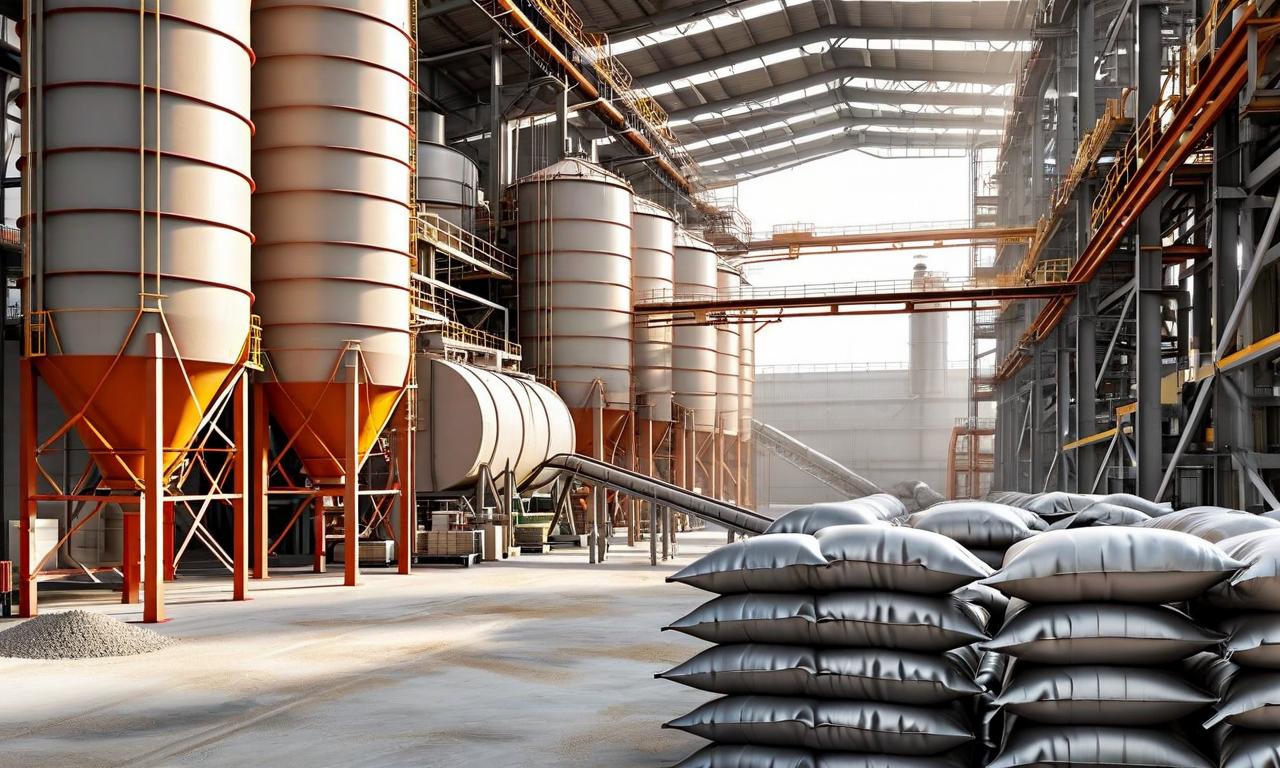
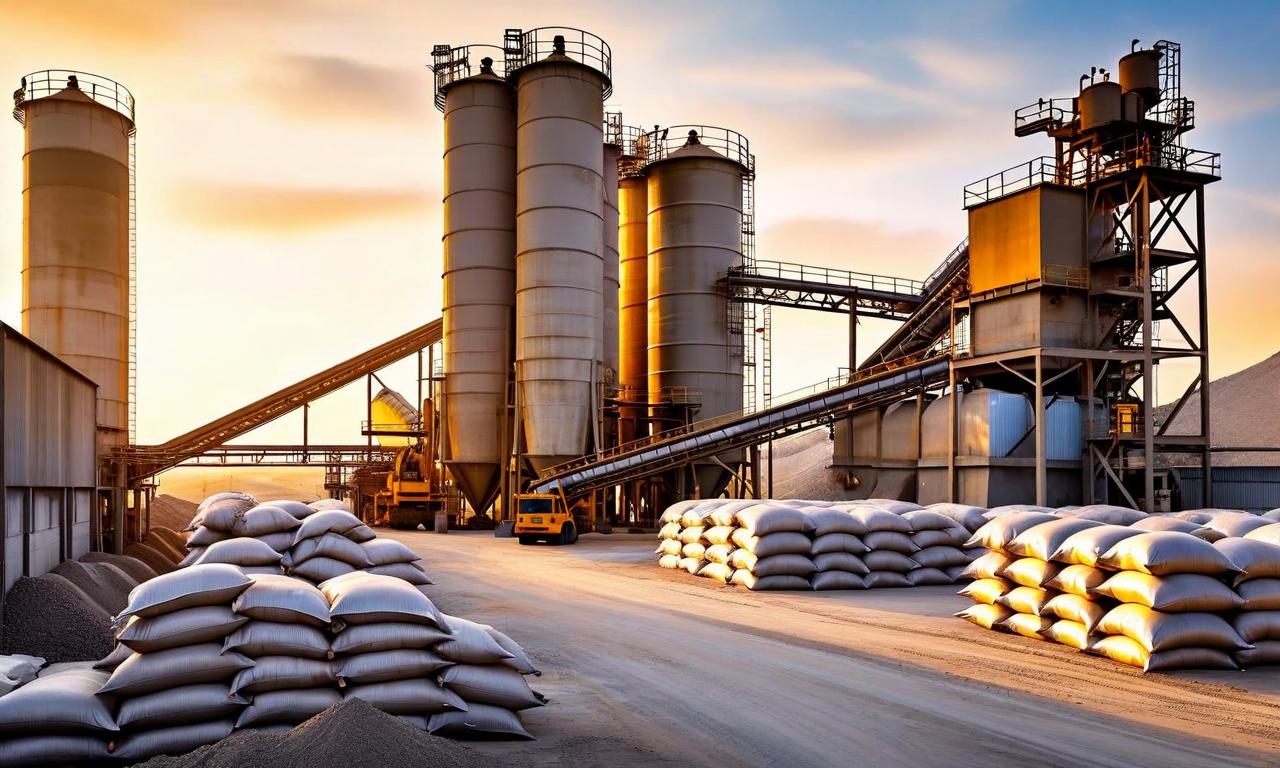
*this image is generated using AI for illustrative purposes only.
Mangalam Cement has commenced the supply of solar power from its newly commissioned 15.17 MW (AC) / 22 MW (DC) captive solar plant in Barmer, Rajasthan, marking a significant step in its renewable energy strategy. The Short-Term Open Access (STOA) for power evacuation became effective on August 6, 2026, enabling immediate supply to the company’s operations. This development is expected to reduce overall power costs and increase the share of renewable energy in the company’s total power mix, supporting long-term sustainability goals and operational efficiency.
The disclosure was made under Regulation 30 of the SEBI (Listing Obligations and Disclosure Requirements) Regulations, 2015, following an earlier intimation dated September 5, 2024. In that earlier filing, Mangalam Cement informed stock exchanges about the execution of a Power Purchase Agreement (PPA) and a Share Subscription and Shareholders' Agreement (SSSHA) to acquire a captive equity stake in Suryadeep RJ-1 Projects Private Limited. The project operates under the Captive Open Access model, allowing the company to procure solar power directly from the dedicated generation facility.
The solar power plant was developed on a Build-Own-Operate (BOO) basis by Suryadeep RJ-1 Projects Private Limited. Located in the Barmer District of Rajasthan, the facility utilizes Group Captive Generation Mechanism protocols to deliver clean energy to Mangalam Cement. The commissioning date aligns with the effective date of the STOA approval, ensuring seamless integration into the company’s energy infrastructure without operational delays.
| Particulars | Details |
|---|---|
| Entity Name | Suryadeep RJ-1 Projects Private Limited |
| Contract Type | Power Purchase Agreement (PPA) under Captive Open Access |
| Plant Capacity | 15.17 MW (AC) / 22 MW (DC) |
| Location | Barmer District, Rajasthan |
| Commissioning Date | August 6, 2026 |
| STOA Effective Date | August 6, 2026 |
Pawan Kumar Thakur, Company Secretary & Compliance Officer at Mangalam Cement Limited, signed the disclosure filed with both the National Stock Exchange of India Ltd. and BSE Limited. The filing confirms that all regulatory requirements for open access solar photovoltaic (PV) plants have been met, allowing for uninterrupted power evacuation and supply.
Strategic Impact on Energy Costs
The commissioning of this facility represents a tangible shift toward sustainable operations for Mangalam Cement. By securing a dedicated source of renewable energy through the captive open access route, the company mitigates exposure to volatile grid electricity prices. The expected financial impact includes a direct reduction in power procurement costs, while the operational impact involves a higher proportion of green energy in the total power mix. This aligns with broader industry trends where cement manufacturers are increasingly investing in captive renewable energy projects to meet environmental standards and improve cost structures.
Historical Stock Returns for Mangalam Cement
| 1 Day | 5 Days | 1 Month | 6 Months | 1 Year | 5 Years |
|---|---|---|---|---|---|
| -0.27% | -1.24% | -9.78% | +22.81% | +31.00% | +115.32% |

What is the projected percentage reduction in Mangalam Cement's annual power procurement costs following the full operationalization of the 15.17 MW solar plant?
How does this 22 MW DC capacity compare to Mangalam Cement's total current power consumption, and what additional renewable projects are planned to achieve 100% green energy coverage?
Will Mangalam Cement explore selling surplus power generated during peak sunlight hours back to the grid or third parties under India's evolving open access regulations?
 16
16







 Access Market Heat-map & Insights
  Create, Save & Share your Screener
  Use 200+ Screening Filters





