Lucid Gravity GT-S launches at $125,900 with 1,070 horsepower

scanx
Reviewed by
Anirudha BScanX News Team
Key Highlights

Lucid Group Inc. launched the Gravity GT-S, a 1,070-hp electric SUV priced from $125,900. The US-exclusive model accelerates to 60 mph in 3.1 seconds and features standard dynamic handling technology. Orders are now open for the new performance variant.


powered bylight_fuzz_icon
48209378

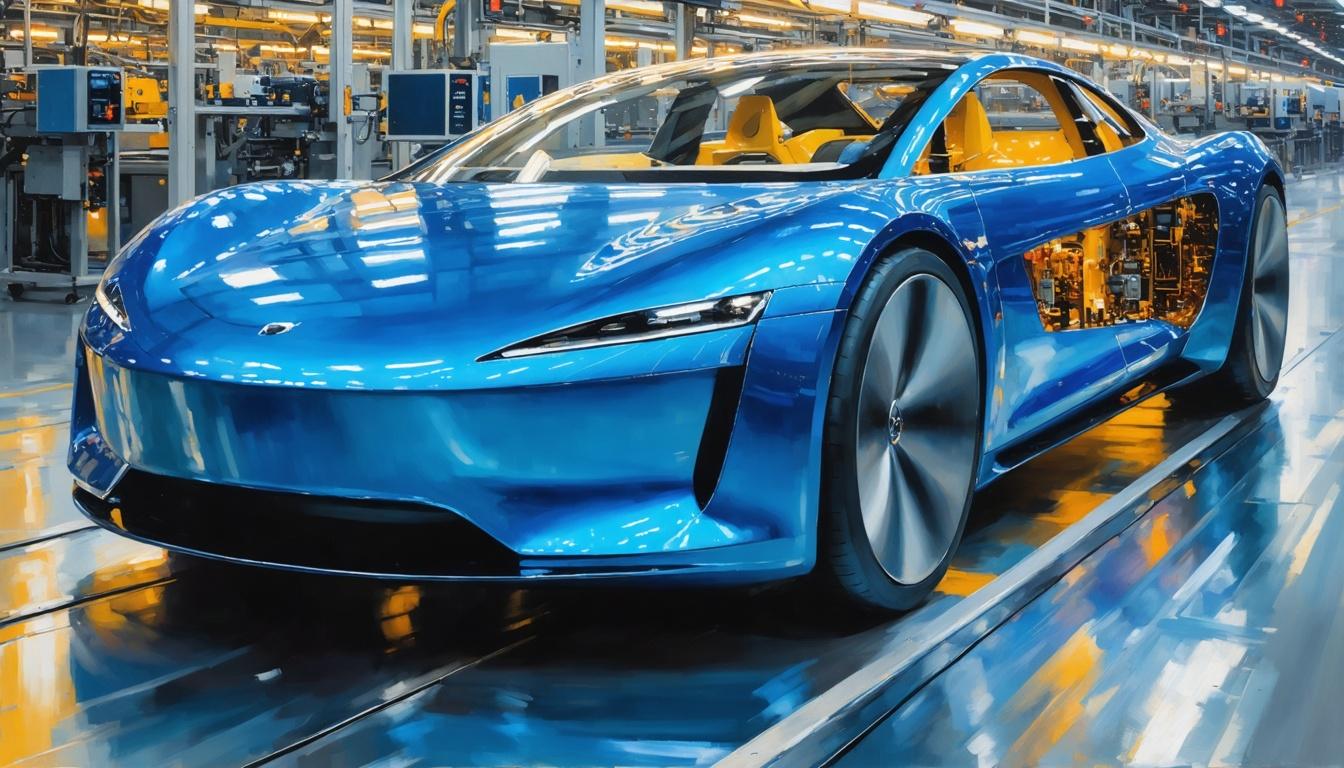
*this image is generated using AI for illustrative purposes only.

Lucid Group Inc. (NASDAQ: LCID) introduced the Gravity GT-S, a new high-performance expression of its Gravity SUV lineup. The launch marks the company’s expansion into the premium performance segment of the electric SUV market, combining supercar-level acceleration with seven-seat utility.

The Gravity GT-S produces 1,070 horsepower, making it America’s most powerful three-row SUV. It accelerates from 0-60 mph in 3.1 seconds. The vehicle includes Lucid’s Dynamic Handling Package as standard equipment, featuring independent rear-wheel steering and an adaptive three-chamber air suspension that lowers the chassis at speed to enhance stability.

Pricing and Availability

The Gravity GT-S is available exclusively in the United States. Orders opened on August 13, 2026.

Specification Detail
Base Price $125,900
Tahoe Leather Option $1,300
Destination & Delivery $1,850
Market Availability US Only

The base price excludes tax, title, license, options, destination, and documentation fees. A Tahoe leather interior option is available for an additional $1,300.

Design and Features

Inspired by the Lucid Air Sapphire, the GT-S features distinctive design elements including blue exterior accents and painted blue brake calipers. The interior offers a Mojave PurLuxe Premium finish with blue stitching and piping across the first and second rows. Additional details include blue seatbelts, blue steering wheel markers, and Lucid Bear logo embossing on the front seat headrests.

What the Numbers Show

The pricing strategy positions the Gravity GT-S as a direct competitor in the ultra-luxury EV segment. With a base price of $125,900 plus $1,850 in destination charges, the entry cost exceeds $127,000 before optional upgrades. This places the vehicle firmly in the premium tier, leveraging its 1,070-horsepower output to justify the price point against traditional luxury rivals.

Market Debut

The Gravity GT-S made its global debut during Monterey Car Week, displayed alongside the Lucid Air Sapphire in the Concours Village at Pebble Beach. Derek Jenkins, Chief Creative Officer at Lucid, stated the model combines extraordinary performance with the comfort and versatility defined by the Gravity platform.

Disclaimer: This article is AI-generated using data from ViewTrade. ScanX is not liable for any inaccuracies.

How will the $125,900 price point of the Gravity GT-S impact Lucid's sales volume targets compared to its existing Air sedan lineup?

What specific production capacity adjustments is Lucid making at its Casa Grande facility to accommodate the new Gravity SUV model alongside current operations?

How do traditional luxury automakers like Mercedes-Benz and BMW plan to respond to Lucid's entry into the high-performance three-row EV segment?

like19
dislike

Lucid Group Q2 Results: Revenue Misses, 2026 Guidance Lowered

scanx
Reviewed by
Suketu GScanX News Team
Key Highlights

Lucid Group missed Q2 revenue estimates at $405.35 million and widened its loss to $2.78 per share. A $300 million inventory impairment impacted margins, though gross margin improved sequentially. The company lowered 2026 production guidance and cut its U.S. workforce by 20% to save $158 million annually, prioritizing cash flow over volume growth.

powered bylight_fuzz_icon
47496123

*this image is generated using AI for illustrative purposes only.

Lucid Group, Inc. (NASDAQ: LCID) shares declined sharply after the electric vehicle manufacturer reported second-quarter financial results that missed analyst expectations and lowered its production outlook for 2026. Revenue came in at $405.35 million, falling short of the approximately $428 million estimated by analysts according to Benzinga Pro. The company recorded an adjusted loss of $2.78 per share, compared to an expected loss of $2.49 per share. During the earnings call, management stated that 2026 production and deliveries are expected to fall below current consensus estimates, signaling a strategic pivot toward preserving liquidity over pursuing volume growth.

The financial results were heavily impacted by a $300 million inventory impairment charge, which reduced gross margin by 74 percentage points. Despite this charge, gross margin stood at negative 105%, unchanged from a year earlier but showing improvement from negative 110% in the first quarter. Revenue increased 56% year-over-year, driven by higher vehicle deliveries, a richer product mix, a 3.7% sequential increase in average selling price (ASP), and $25 million in regulatory credit sales. CEO Peter Rawlinson emphasized that Lucid will continue offering selective incentive programs but will avoid pursuing volume growth at the expense of cash flow or vehicle economics.

Operational Metrics

Vehicle production totaled 4,774 units in the quarter, down 13% sequentially but up 24% year-over-year. Management intentionally lowered production to better align output with demand, reduce inventory levels, preserve liquidity, and improve capital efficiency. Vehicle deliveries rose to 3,953 units, representing a 28% sequential increase and a 19% year-over-year increase. The Lucid Gravity SUV accounted for the majority of these deliveries.

Metric Q2 Value Change
Revenue $405.35 million +56% YoY
Adjusted EPS $(2.78) Missed est.
Gross Margin -105% Improved from -110%
Production 4,774 units -13% QoQ, +24% YoY
Deliveries 3,953 units +28% QoQ, +19% YoY

International expansion remains a key focus, with Middle East deliveries strengthening. This is supported by Saudi Arabia’s agreement to purchase more than 4,000 vehicles annually through 2032, beginning in 2026. Lucid also reaffirmed its partnership with Uber and Nuro for robotaxi development as one of its four strategic priorities. The engineering fleet has expanded to nearly 100 test vehicles operating in the San Francisco Bay Area and Houston, with production-validation vehicles already delivered to partners. Regular production for this initiative is expected to begin in the fourth quarter of 2026, followed by a commercial launch later that year.

Cost Reduction and Efficiency

To lower cash burn while preserving key strategic initiatives, Lucid reduced its U.S. workforce by 20% and eliminated the second production shift at its Arizona manufacturing facility. These actions are expected to deliver approximately $158 million in annualized cost savings. Management stated it is reviewing all major investments, programs, and operating expenses to improve efficiency. The company plans to enhance cash generation by converting existing inventory into customer deliveries rather than increasing production volume.

What the Numbers Show

The divergence between rising deliveries and falling production highlights a deliberate strategy to deplete inventory rather than build it. While revenue grew significantly year-over-year, the negative gross margin of 105% indicates that the cost of goods sold continues to exceed revenue substantially, even before accounting for the one-time impairment charge. The decision to lower 2026 guidance suggests management prioritizes capital efficiency and cash flow stability over market share expansion in the near term. The long-term vision remains anchored in the robotaxi ecosystem, which management estimates could represent a $600 billion vehicle total addressable market by 2040 and an approximately $1 trillion opportunity across software and mobility services.

At the time of publication on Wednesday, Lucid Group shares were down 13.56% at $6.72, according to Benzinga Pro data.

Disclaimer: This article is AI-generated using data from ViewTrade. ScanX is not liable for any inaccuracies.

How might Lucid's 20% workforce reduction and shift elimination impact the timeline and quality assurance of its planned robotaxi production launch in late 2026?

Given the negative gross margin of -105%, what specific pricing or cost-structure adjustments must Lucid implement to achieve profitability before its Saudi Arabia vehicle purchase agreement begins in 2026?

Could Lucid's strategic pivot toward liquidity preservation over volume growth signal a broader trend among EV startups to delay mass-market expansion amid current macroeconomic conditions?

like17
dislike

More News on Lucid Group