Lemon Tree Hotels opens 94-room Premier property in Vadodara

scanx
Reviewed by
Anirudha BScanX News Team
Key Highlights
  • Lemon Tree Hotels opens 94-room Lemon Tree Premier in Vadodara
  • Property marks the group's 13th operational hotel in Gujarat
  • Company has 19 more properties planned for the state
  • National portfolio exceeds 130 hotels with 140+ in pipeline
powered bylight_fuzz_icon
49307635

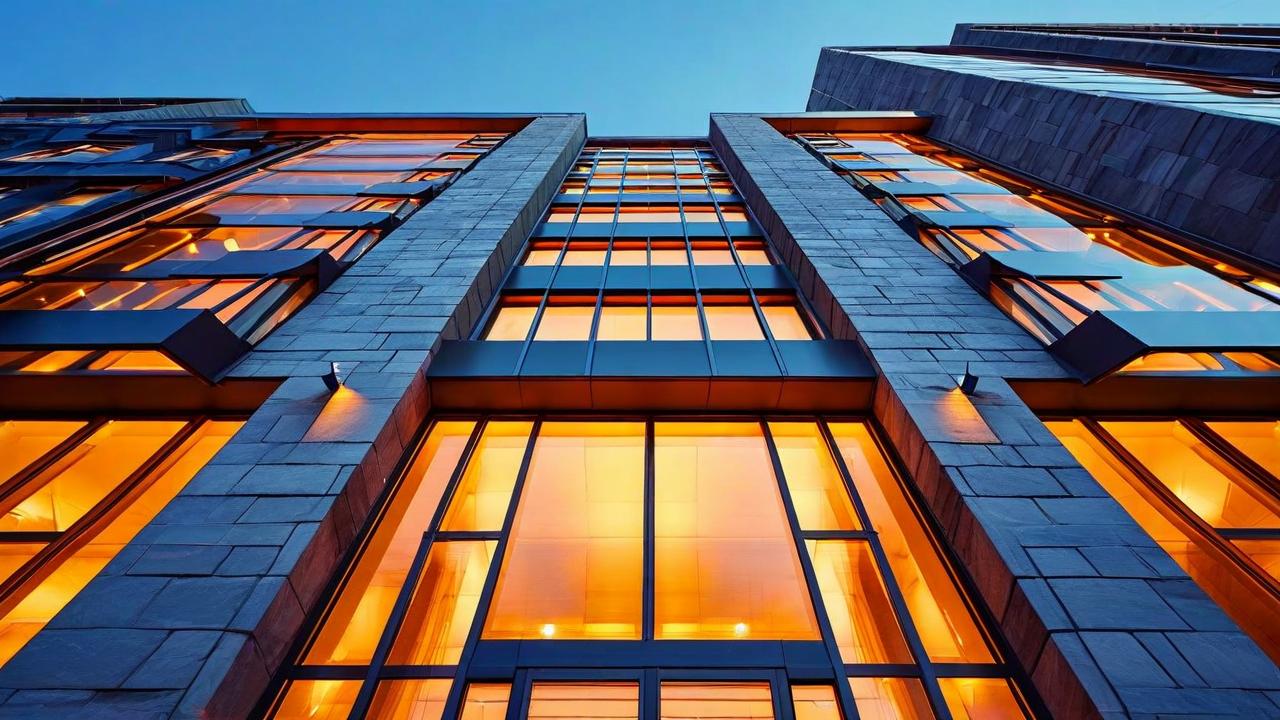
*this image is generated using AI for illustrative purposes only.

Lemon Tree Hotels has announced the opening of Lemon Tree Premier, Vadodara, marking its 13th operational hotel in Gujarat. The 94-room upscale property strengthens the group’s presence in one of the state’s key commercial centres.

The hotel, managed by wholly owned subsidiary Carnation Hotels Private Limited, adds to the group’s existing three properties in the city across the Lemon Tree Hotel, Keys Lite, and Keys Select brands. This multi-brand strategy allows the company to cater to a broader spectrum of corporate, leisure, and social travellers.

Property Details and Facilities

Located near Akota Gardens, the new property offers easy access to commercial districts and key attractions including Laxmi Vilas Palace and Sursagar Lake. It is situated approximately 10 km from Vadodara Airport, 3.3 km from the railway station, and 3.5 km from the city centre.

Key amenities include:

  • 94 well-appointed rooms and suites
  • Citrus Café, a multi-cuisine restaurant, and a Tea Lounge
  • Banquet hall, meeting room, and business centre
  • Swimming pool, spa, and fitness centre
  • 24x7 front desk, housekeeping, and valet parking

Expansion Context

Vishvapreet Singh Cheema, President of Lemon Tree Hotels, noted that the opening reflects strong demand and long-term commitment to the market. The group now operates 13 hotels in Gujarat, with a pipeline of 19 upcoming properties in the state.

Nationally, Lemon Tree Hotels operates over 130 hotels across 80+ cities in India and abroad. The total pipeline stands at more than 140 upcoming properties, spanning metro hubs like Delhi-NCR and Mumbai to tier II and III cities such as Jaipur and Indore. The group also maintains an international presence in Bhutan and Nepal.

What the Numbers Show

The addition of the Lemon Tree Premier brand in Vadodara signals a strategic shift toward capturing higher-value segments in established markets. With three existing mid-scale and budget properties (Keys Lite, Keys Select, Lemon Tree Hotel) already operating in the city, the new upscale entry allows the company to address diverse traveller needs without cannibalising existing inventory. This multi-brand density in a single city suggests a focus on market share consolidation rather than purely geographic expansion in this specific region.

Historical Stock Returns for Lemon Tree Hotels

1 Day5 Days1 Month6 Months1 Year5 Years
+0.66%-2.34%-5.20%+2.13%-41.49%+154.33%

How might the introduction of the Lemon Tree Premier brand in Vadodara impact the average daily rate (ADR) and revenue per available room (RevPAR) for the group's existing mid-scale properties in the city?

Given the 19-property pipeline in Gujarat, what are the primary capital expenditure requirements and funding strategies Lemon Tree Hotels plans to employ to sustain this aggressive regional expansion?

How does the competitive landscape in Vadodara's upscale hospitality sector compare to other tier-II cities like Jaipur or Indore where Lemon Tree is also expanding?

Lemon Tree Hotels submits FY26 BRSR report to exchanges

scanx
Reviewed by
Shriram SScanX News Team
Key Highlights
  • Lemon Tree Hotels submitted its FY26 BRSR report, disclosing consolidated ESG performance
  • Achieved 100% certified green buildings and 50.66% renewable energy usage at exit rate
  • Missed targets for energy reduction, GHG cuts, and workforce diversity goals
  • Total energy consumption rose to 3,10,917.38 GJ while GHG emissions fell to 34,178.89 tonnes
  • Employee turnover increased to 41.77% with 221 differently abled workers employed
powered bylight_fuzz_icon
49297466

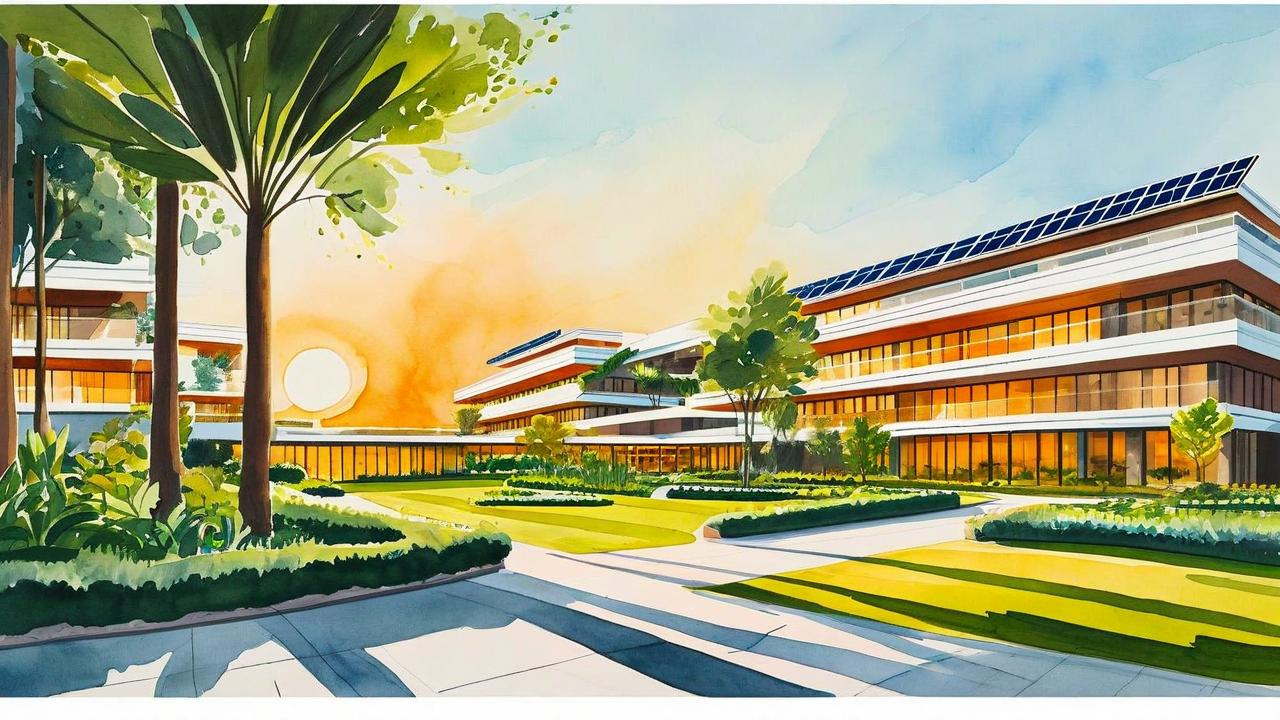
*this image is generated using AI for illustrative purposes only.

Lemon Tree Hotels has submitted its Business Responsibility and Sustainability Report (BRSR) for FY26 to the National Stock Exchange and BSE. The filing, dated August 26, 2026, details the company’s performance against sustainability goals, workforce diversity metrics, and environmental impact assessments for the period ending March 31, 2026.

The report covers consolidated operations, excluding paid-up share capital, with limited assurance provided by JDP & Associates. Lemon Tree operates 127 locations nationally and five internationally, with hotel services accounting for 98.16% of turnover.

ESG Performance Against Targets

Lemon Tree disclosed progress against seven key sustainability targets set for FY26 based on an FY19 baseline. The company achieved its goal of 100% certified green buildings and met the renewable energy usage target at an exit rate of 50.66%, surpassing the 50% goal. However, it fell short on energy consumption reduction, recording a 4.47% increase instead of the targeted 15% decrease.

Target Metric FY26 Goal FY26 Performance Status
Energy Consumption Reduction 15% reduction 4.47% increase Behind target
Renewable Energy Usage 50% of total 50.66% (exit rate) On target
GHG Emissions Reduction 40% reduction 35.74% reduction Behind target
Water Consumption Reduction 10% reduction 9.77% reduction On target

Workforce Diversity and Inclusion

The company employs 3,777 permanent employees, comprising 87% male and 13% female staff. Lemon Tree reported employing 221 differently abled individuals, representing approximately 5.9% of the total permanent workforce. The company missed its diversity targets for FY26, achieving 16% Opportunity Deprived Individuals (ODIs) against a 20% goal and 13% women in the workforce against a 15% target.

Employee turnover for permanent staff stood at 41.77% in FY26, up from 39% in FY25. Female employee turnover was higher at 51.61% compared to 40.37% for males.

Environmental Metrics

Total energy consumption rose to 3,10,917.38 GJ from 2,93,765.21 GJ in FY25. Renewable energy sources contributed 85,336.89 GJ, while non-renewable sources accounted for 2,25,580.49 GJ. Greenhouse gas emissions (Scope 1 and 2) totaled 34,178.89 metric tonnes of CO2 equivalent, down from 44,229.86 metric tonnes in the prior year.

Water withdrawal increased to 9,18,092 kilolitres from 8,77,849 kilolitres in FY25, primarily sourced from groundwater (2,66,544 kilolitres) and third-party suppliers (6,51,549 kilolitres).

What the Numbers Show

While Lemon Tree successfully decoupled emissions intensity from revenue growth—reducing GHG emission intensity per rupee of turnover from 0.0000034391 TCO2/INR in FY25 to 0.0000023528 TCO2/INR in FY26—absolute energy consumption increased. This divergence suggests that operational efficiency gains were offset by volume growth or capacity expansion, as total energy use rose despite a slight improvement in energy intensity per rupee of turnover.

Historical Stock Returns for Lemon Tree Hotels

1 Day5 Days1 Month6 Months1 Year5 Years
+0.66%-2.34%-5.20%+2.13%-41.49%+154.33%

How will Lemon Tree Hotels adjust its operational strategy to reverse the 4.47% increase in energy consumption and meet the FY27 reduction targets?

What specific initiatives will the company implement to reduce the high female employee turnover rate of 51.61% and improve gender diversity in the workforce?

Given the reliance on groundwater for nearly 30% of water withdrawal, what contingency plans are in place to mitigate risks associated with local water scarcity regulations?

More News on Lemon Tree Hotels

1 Year Returns:-41.49%