

KPR Mill promoters confirm no encumbrance on shares for FY26


KPR Mill disclosed that promoter group members, including Jayanthi N, hold no encumbrance on their shares as of March 31, 2026, complying with SEBI regulations.


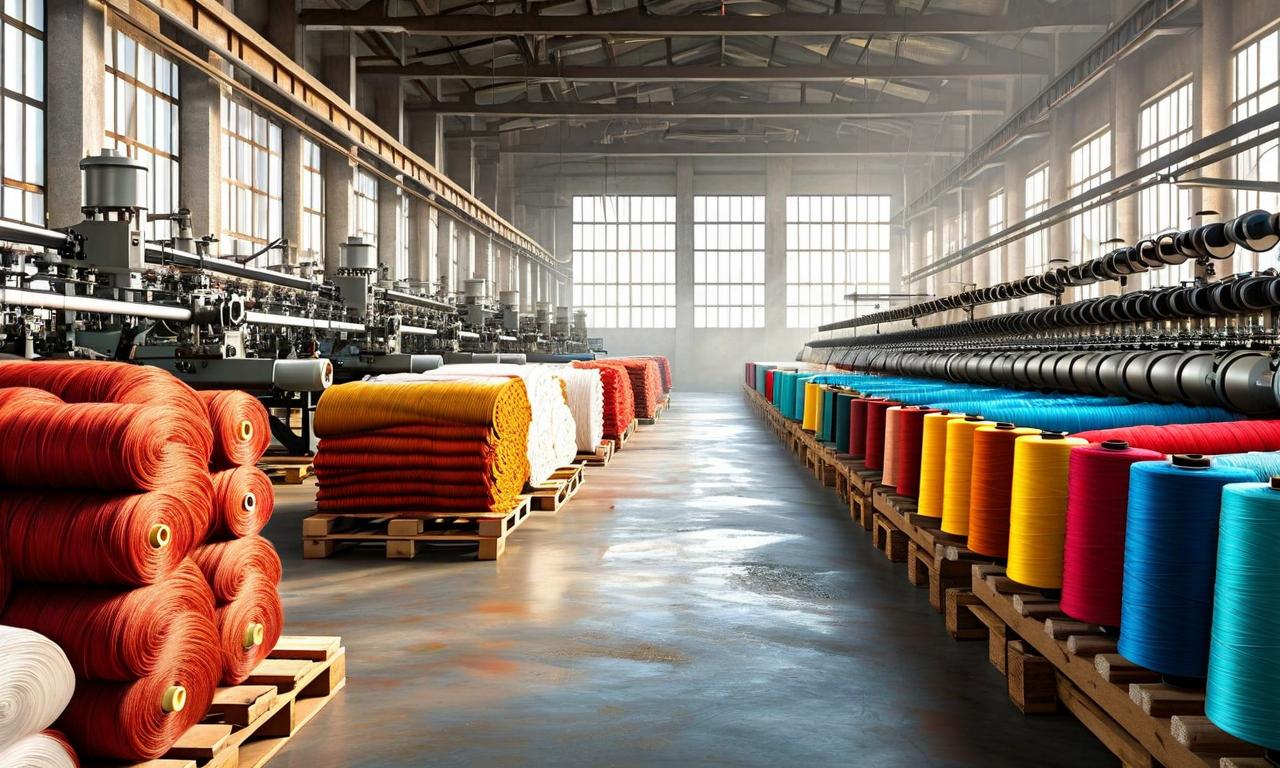
*this image is generated using AI for illustrative purposes only.
K.P.R. Mill Limited disclosed that promoter group members, including newly added Jayanthi N, have not created any encumbrance on the company's shares for the financial year ended March 31, 2026. The declarations, submitted to the stock exchanges, confirm that the promoters and persons acting in concert have not pledged or otherwise encumbered their holdings directly or indirectly.
The disclosures were made in compliance with Regulation 31(4) of the SEBI (Substantial Acquisition of Shares and Takeover) Regulations, 2011. This regulation requires promoters to inform the exchanges about any encumbrance on their shareholding on an annual basis.
K.P. Ramasamy, the Chairman, holds 6,59,30,816 equity shares as on March 31, 2026. KPD Sigamani, the Managing Director, holds 6,59,31,217 equity shares as on the same date. C.R. Anandakrishnan, a Whole-Time Director, holds 6,950 equity shares. Kalpana Anand holds 13,58,519 equity shares as on March 31, 2026. Jayanthi N holds 84,41,207 equity shares as on March 31, 2026. The confirmations cover these shares along with those held by persons acting in concert with them.
Shareholding Details
| Particulars | Details |
|---|---|
| Name of Promoter | K.P. Ramasamy |
| Equity Shares Held | 6,59,30,816 |
| Date of Holding | March 31, 2026 |
| Encumbrance Status | No Encumbrance |
| Name of Promoter | KPD Sigamani |
| Equity Shares Held | 6,59,31,217 |
| Date of Holding | March 31, 2026 |
| Encumbrance Status | No Encumbrance |
| Name of Promoter | C.R. Anandakrishnan |
| Equity Shares Held | 6,950 |
| Date of Holding | March 31, 2026 |
| Encumbrance Status | No Encumbrance |
| Name of Promoter | Kalpana Anand |
| Equity Shares Held | 13,58,519 |
| Date of Holding | March 31, 2026 |
| Encumbrance Status | No Encumbrance |
| Name of Promoter | Jayanthi N |
| Equity Shares Held | 84,41,207 |
| Date of Holding | March 31, 2026 |
| Encumbrance Status | No Encumbrance |
The letters were addressed to the Listing Departments of BSE Limited and National Stock Exchange of India Ltd. The company's scrip code on the BSE is 532889, and the trading symbol is KPRMILL.
Historical Stock Returns for KPR Mill
| 1 Day | 5 Days | 1 Month | 6 Months | 1 Year | 5 Years |
|---|---|---|---|---|---|
| +0.67% | +1.42% | -1.92% | +24.75% | +8.31% | +135.79% |

Will the unencumbered status of promoter holdings enable K.P.R. Mill to raise cheaper debt capital for future expansion?
Does the addition of Jayanthi N as a promoter signal a planned succession strategy or a shift in the company's leadership structure?
How might the market interpret this clean shareholding status regarding the promoters' long-term confidence in the textile sector?
 20
20







 Access Market Heat-map & Insights
  Create, Save & Share your Screener
  Use 200+ Screening Filters





